
Hidden Costs of Owning a Sport Bike in the United States
When most people in the United States think about buying a sport bike, they focus on the sticker price. Horsepower, styling, top speed, and brand prestige usually dominate the conversation. I was no different when I bought my first sport bike. What I didn’t understand back then—and what many riders still underestimate—are the hidden costs that quietly stack up over time.
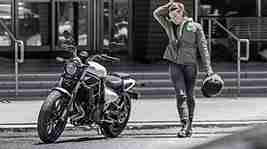
The truth is that the purchase price is only the beginning. The hidden costs of owning a sport bike in the United States can easily surprise even experienced riders. Some of these expenses are unavoidable, others are situational, and a few only become obvious after years of ownership. This article is written from real experience, long-term ownership, and honest conversations with riders across the country who’ve learned these lessons the hard way.
Hidden Costs of Owning a Sport Bike in the United States Start After the Purchase
Buying the bike feels like the finish line, but in reality, it’s the starting point. Once you roll your sport bike out of the dealership or hand over cash for a used one, the real ownership journey begins.
In the U.S., sport bikes are considered high-risk vehicles by insurers, lenders, and even service providers. That classification follows you everywhere. From paperwork to parking, ownership brings ongoing expenses that rarely get discussed in sales brochures or online reviews.
Understanding these costs upfront doesn’t mean you shouldn’t buy a sport bike—it means you’ll be prepared to enjoy it without financial stress.
Motorcycle Insurance Costs in the USA
Insurance is one of the most significant hidden expenses of sport bike ownership in America. Supersport motorcycles are statistically associated with higher accident rates, and insurance companies price policies accordingly.
Even riders with clean records often experience sticker shock when they insure a fully-faired sport bike. Factors like age, location, engine displacement, and even the color of the bike can affect premiums. Younger riders in urban areas usually pay the most.
From personal experience, insurance costs alone can rival monthly car payments. Over several years, this becomes one of the largest ongoing costs of owning a sport bike in the United States.
Maintenance Costs That Add Up Faster Than Expected
Sport bikes are high-performance machines, and high performance demands attention. Routine maintenance is more frequent and more expensive than many new owners expect.
Oil changes happen more often due to higher engine stress. Tires wear quickly, especially if you enjoy spirited riding. Brake pads and chains need regular inspection and replacement. These aren’t optional expenses; skipping them directly impacts safety.
In the U.S., labor rates at motorcycle shops can be high, especially for sport bikes that require more time to service due to tight packaging and fairings. Even doing some work yourself requires tools, space, and time—resources not everyone has.
Tires: One of the Most Overlooked Sport Bike Expenses
Tires deserve special attention because they are one of the most frequent hidden costs of owning a sport bike in the United States. High-performance tires provide incredible grip, but that grip comes at the expense of longevity.
Many riders are shocked by how quickly sport bike tires wear out, especially when riding on highways or attending track days. In some cases, a rear tire may only last a few thousand miles.
Given U.S. tire prices and mounting costs, replacing tires becomes a recurring expense that far exceeds what most new owners anticipate.
Fuel Costs and Premium Gas Requirements
Sport bikes may be relatively fuel-efficient, but most require premium gasoline. Over time, that difference adds up—especially in states where fuel prices fluctuate dramatically.
Aggressive riding, high RPMs, and highway speeds further reduce fuel economy. While fuel costs may not feel significant week to week, they become noticeable over a full riding season.
In the United States, where distances between destinations are often long, fuel costs quietly contribute to the total cost of ownership.
Gear Is Not Optional—and It’s Not Cheap
One of the most underestimated hidden costs is protective gear. Riding a sport bike responsibly in the USA requires more than a helmet. Jackets, gloves, boots, and riding pants are essential, especially at highway speeds.
Quality gear is expensive, and cheap gear often fails when it matters most. Over time, riders replace gear due to wear, damage, or changing needs. Seasonal riding in different climates may require multiple sets of gear.
This investment is ongoing and unavoidable if safety is a priority.
Hidden Costs of Financing a Sport Bike
Many riders finance their sport bikes, which introduces another layer of hidden cost. Interest rates for motorcycles are often higher than car loans, especially for younger buyers or those with limited credit history.
Extended loan terms may lower monthly payments but increase total cost significantly. In some cases, riders end up paying far more than the bike’s original value over time.
In the U.S., financing also affects insurance requirements, often forcing owners to carry full coverage even if they’d otherwise choose less.
Depreciation and Resale Reality
Sport bikes depreciate faster than many other types of motorcycles. Trends change quickly, new models appear frequently, and high mileage can scare off buyers.
When it comes time to sell, many owners are surprised by how much value their bike has lost. This depreciation is a hidden cost that only becomes visible at the end of ownership.
In the American market, resale value depends heavily on maintenance records, condition, and brand reputation.
Storage, Parking, and Security Costs
Unlike cars, sport bikes are vulnerable when parked. Theft is a real concern in many U.S. cities, and securing a motorcycle properly often requires additional spending.
Garage space, storage units, locks, alarms, and covers all add to ownership costs. If you don’t have private parking, these expenses become necessary rather than optional.
Over time, these small costs accumulate into a meaningful financial commitment.
Weather and Seasonal Costs in the United States
The U.S. has diverse climates, and sport bikes aren’t equally practical year-round everywhere. In colder regions, riding seasons are short, but insurance and registration costs often continue year-round.
Winter storage, battery tenders, fuel stabilizers, and periodic maintenance during off-season months create expenses even when the bike isn’t being ridden.
This seasonal reality is a hidden cost that many first-time owners overlook.
Upgrades, Mods, and the Temptation Factor
Sport bike culture encourages personalization. Exhaust systems, suspension upgrades, tuning, and cosmetic mods are almost unavoidable temptations.
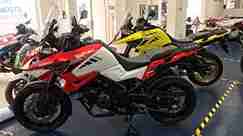
While none of these upgrades are strictly required, many riders find themselves spending thousands over time chasing better sound, performance, or aesthetics.
These costs rarely improve resale value, making them pure ownership expenses rather than investments.
Track Days and Performance Riding Costs
Many sport bike owners eventually explore track days. While incredibly rewarding, track riding introduces a whole new level of expense.
Track fees, faster tire wear, additional maintenance, and occasional repairs add up quickly. Even one or two track days per year can significantly increase annual ownership costs.
For riders in the U.S., where track days are popular, this becomes an important factor to consider.
Mental and Lifestyle Costs Few People Talk About
There are also non-financial costs tied to sport bike ownership. Physical fatigue, increased risk awareness, and the mental discipline required to ride responsibly all affect daily life.
Sport bikes demand focus. That intensity is part of their appeal, but it’s also a commitment. Over time, some riders realize they want something less demanding—and that transition often comes with financial consequences.
Hidden Costs of Owning a Sport Bike in the United States: The Long View
When you step back and look at the full picture, owning a sport bike in America is less about a single purchase and more about a long-term relationship. The costs are real, but so are the rewards.
Riders who understand these hidden expenses ahead of time tend to enjoy their bikes more. They budget realistically, maintain their machines properly, and ride with confidence rather than anxiety.
In my experience, regret usually comes not from the cost itself, but from being unprepared for it.
Is a Sport Bike Worth It Despite the Hidden Costs?
For many riders, the answer is still yes. Sport bikes offer an experience few other vehicles can match. The acceleration, precision, and emotional connection are unlike anything else on the road.
But that experience comes with responsibility—financial, physical, and mental. Understanding the hidden costs of owning a sport bike in the United States allows riders to make informed decisions rather than emotional ones.
Conclusion: Knowledge Is the Real Cost Saver
Sport bikes are not cheap hobbies, even when purchased at reasonable prices. The hidden costs accumulate quietly, often catching riders off guard. Insurance, maintenance, tires, gear, and depreciation all play significant roles in the total cost of ownership.
However, with realistic expectations and proper planning, owning a sport bike can still be one of the most rewarding experiences available to American riders.
The real mistake isn’t buying a sport bike. The mistake is buying one without understanding what comes next.