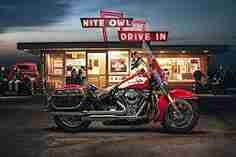
Why Harley-Davidson Is Still an American Icon
There are very few brands in the world that transcend their product category. Coca-Cola. Levi’s. Ford. And Harley-Davidson. Even people who have never ridden a motorcycle know exactly what a Harley represents. I’ve ridden many bikes over the years—sport bikes, naked bikes, touring machines—but nothing else draws the same reaction at a stoplight or gas station as a Harley. That reaction is the first clue to understanding why Harley-Davidson is still an American icon.
In an era of rapid technological change, globalized manufacturing, and shifting rider demographics, Harley-Davidson continues to occupy a unique place in American culture. This isn’t accidental. It’s the result of history, identity, emotional storytelling, and a deep connection to the idea of freedom that still resonates strongly in the United States.
Why Harley-Davidson Is Still an American Icon Despite a Changing Motorcycle Market
The motorcycle industry has evolved dramatically over the last few decades. Sport bikes became lighter and faster. Adventure bikes redefined long-distance riding. Electric motorcycles entered the conversation. Through all of this, Harley-Davidson has faced criticism for being old-fashioned or resistant to change.
Yet the brand persists, not because it ignores change, but because it understands something deeper about American riders. Harley-Davidson isn’t just selling motorcycles. It’s selling a feeling—an identity tied to independence, rebellion, and the open road.
That emotional connection is why Harley doesn’t need to chase every trend to stay relevant.
The Roots of Harley-Davidson in American History
To understand why Harley-Davidson is still an American icon, you have to go back to its beginnings. Founded in 1903 in Milwaukee, Harley-Davidson grew alongside the United States itself. It survived world wars, economic depressions, cultural revolutions, and intense competition.
Harley motorcycles were used by the U.S. military during both World Wars, cementing the brand’s association with service, toughness, and patriotism. For many Americans, Harley isn’t just a motorcycle company—it’s a symbol of national resilience.
That historical presence gives Harley a level of authenticity that no marketing campaign could manufacture.
Harley-Davidson and the Myth of the Open Road
Few images are as deeply embedded in American culture as a motorcycle riding down an endless highway. Harley-Davidson has owned that image for decades. The brand tapped into the post-war desire for freedom, individuality, and escape from conformity.
Riding a Harley has always been portrayed as a rejection of rules and routines. Even today, when most riders wear helmets and follow traffic laws, the symbolism remains powerful. The bike represents choice—the ability to go wherever the road leads.
That myth of the open road still matters to Americans, especially in a world that feels increasingly controlled and fast-paced.
Why Harley-Davidson Is Still an American Icon Among Riders, Not Just Buyers
One of the most overlooked reasons for Harley’s staying power is its riders. Harley-Davidson owners don’t just buy motorcycles—they join a culture. Rallies, group rides, dealerships, and branded apparel create a sense of belonging that few manufacturers can replicate.
I’ve ridden with Harley owners who don’t care about lap times, horsepower figures, or cutting-edge electronics. What they care about is the experience—how the bike makes them feel, how it sounds, and how it connects them to other riders.
That sense of community reinforces brand loyalty in a way that spec sheets never could.
The Sound and Feel That Can’t Be Replicated
There’s a reason Harley-Davidson engines sound the way they do. The low-frequency rumble, the uneven firing order, the physical presence of the engine—it all contributes to an experience that feels mechanical and alive.
From an engineering standpoint, many motorcycles are more refined. From an emotional standpoint, few are more memorable. Harley understands that imperfection can be part of character.
That sensory experience—the vibration, the sound, the torque delivery—is central to why Harley remains iconic in American motorcycle culture.
Harley-Davidson and the Power of Brand Storytelling
Harley-Davidson has mastered storytelling better than almost any other motorcycle manufacturer. Its advertising doesn’t focus heavily on performance metrics. Instead, it focuses on people, journeys, and personal transformation.
Harley riders aren’t portrayed as racers or daredevils. They’re portrayed as individuals reclaiming something—freedom, identity, or purpose. That narrative resonates deeply in American culture, where self-definition and personal reinvention are core values.
This storytelling reinforces why Harley-Davidson is still an American icon, even for people who may never ride one.
Criticism, Reinvention, and Staying Relevant
Harley-Davidson hasn’t been immune to criticism. Younger riders have questioned pricing, weight, and technology. Global competitors have challenged Harley’s dominance in cruiser motorcycles.
What’s important is that Harley hasn’t stood still. The company has expanded into new segments, modernized manufacturing, and explored electric motorcycles while still protecting its core identity.
Reinvention without losing authenticity is incredibly difficult. Harley’s ability to walk that line is part of its enduring relevance.
Why Harley-Davidson Represents More Than Transportation
In the United States, motorcycles are rarely just tools for commuting. They’re expressions of lifestyle. Harley-Davidson understands this better than most brands.
Harley motorcycles are often owned for pleasure rather than necessity. Riders choose them deliberately, knowing they’re not the fastest or most efficient option. That choice is part of the appeal.
When someone buys a Harley, they’re making a statement about who they are—or who they want to be.
Harley-Davidson and American Individualism
American culture places enormous value on individualism. Harley-Davidson has always aligned itself with that ideal. Customization plays a huge role in Harley ownership. No two bikes look exactly the same.
From paint to exhaust to handlebars, riders personalize their machines as extensions of themselves. That creative freedom strengthens emotional attachment and reinforces Harley’s place in American motorcycle culture.
The bike becomes personal, not disposable.
Why Harley-Davidson Is Still an American Icon in a Globalized World
In a market filled with globally manufactured products, Harley-Davidson remains closely tied to American identity. Even riders outside the U.S. view Harley as a symbol of American culture.
That association gives the brand an advantage no competitor can copy. Harley doesn’t need to pretend to be American—it is American.
In a world where many brands feel interchangeable, that authenticity matters more than ever.
The Role of Harley-Davidson in Multi-Generational Riding
Another reason Harley remains iconic is its presence across generations. Many riders grew up seeing their parents or grandparents ride Harleys. That continuity creates emotional depth that newer brands can’t replicate.
I’ve spoken with riders who see their Harley as a connection to family history. That emotional inheritance strengthens brand loyalty and keeps Harley relevant even as demographics shift.
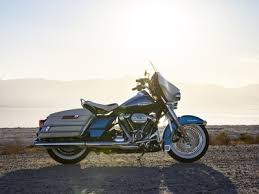
Few brands enjoy that kind of generational resonance.
Technology vs Tradition: Harley’s Balancing Act
Harley-Davidson has gradually introduced modern technology—fuel injection, rider aids, infotainment—without overwhelming the traditional riding experience. This balance is deliberate.
Too much technology risks alienating loyal riders. Too little risks falling behind. Harley’s careful integration of modern features shows an understanding of its audience.
That restraint is part of why Harley continues to feel authentic rather than trendy.
Why Harley-Davidson Is Still an American Icon to Non-Riders
Even people who never plan to own a motorcycle recognize Harley-Davidson. The logo, the sound, the imagery—all are instantly recognizable.
That cultural visibility extends beyond motorcycling into fashion, music, film, and art. Harley has become shorthand for rebellion and freedom.
Few brands achieve that level of cultural penetration.
The Emotional Value Outweighs the Practical Trade-Offs
From a purely practical standpoint, there are lighter, faster, and cheaper motorcycles available. Harley-Davidson survives because it offers something those bikes don’t: emotional weight.
Riders accept the trade-offs because the experience feels meaningful. That emotional value is difficult to quantify, but it’s incredibly powerful.
It’s the difference between owning a machine and owning a story.
The Future of Harley-Davidson in America
Looking ahead, Harley-Davidson will continue evolving. Electric motorcycles, new rider outreach, and global expansion will shape its future. But its core identity—freedom, individuality, and American spirit—will remain unchanged.
As long as Americans value the idea of the open road and self-expression, Harley-Davidson will have a place in the cultural landscape.
Conclusion: Why Harley-Davidson Is Still an American Icon
So, why Harley-Davidson is still an American icon comes down to more than engines or styling. It’s about history, identity, emotion, and belonging. Harley represents a uniquely American idea—that freedom is something you chase, not something you’re given.
In a world of rapid change, Harley-Davidson offers continuity. It reminds riders and non-riders alike of who they are and where they come from.
And that’s why, more than a century later, Harley-Davidson still matters.