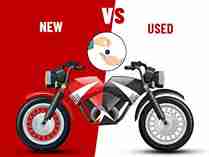
New vs Used Bikes: What’s Smarter in the American Market?
I’ve been riding motorcycles for over fifteen years now, and I’ve purchased both brand new bikes straight from the dealership floor and well-loved used machines from private sellers and used bike lots. Every time someone asks me whether they should buy new or used, I tell them the same thing: it depends entirely on your situation, your experience level, and what you’re hoping to get out of the purchase. The American motorcycle market offers incredible options in both categories, but making the wrong choice can cost you thousands of dollars or leave you with a bike that doesn’t fit your needs.
Understanding the American Motorcycle Market Landscape
The United States has one of the most diverse and vibrant motorcycle markets in the world. From Harley-Davidson cruisers dominating the highways to Japanese sport bikes tearing up canyon roads, American riders have access to virtually every type of motorcycle imaginable. The market dynamics here are unique compared to other countries, largely because of how we use motorcycles. Unlike many Asian and European countries where bikes serve primarily as transportation, American riders typically view motorcycles as recreational vehicles or lifestyle choices, which significantly impacts both new and used bike values.
When I bought my first motorcycle back in 2009, I was overwhelmed by the sheer number of options available. The used market was flooded with bikes from riders who had purchased during the pre-recession boom years, and dealerships were offering incredible incentives on new models to move inventory. Fast forward to today, and the landscape has shifted dramatically. The pandemic created a surge in motorcycle interest, tightening used bike inventory and driving up prices across the board. Understanding these market forces is crucial when deciding between new and used.
The True Cost of Buying a New Motorcycle
Let’s talk money, because that’s usually the first thing people consider. When you buy a new motorcycle from a dealership, you’re looking at the manufacturer’s suggested retail price, plus dealer fees, documentation charges, setup fees, and in most states, sales tax on the full purchase price. I remember when I bought my 2018 Yamaha MT-09 new, the sticker price was $8,999, but by the time I rolled out of the dealership, I had signed paperwork for nearly $11,500 after taxes, registration, and all the extras they convinced me I needed.
The depreciation hit on new motorcycles is real and immediate. The moment you sign those papers and ride off the lot, your bike loses somewhere between fifteen and twenty percent of its value. That’s not an exaggeration or a scare tactic from used bike advocates—it’s simply how the market works. Motorcycles, unlike cars, are considered recreational vehicles by most buyers, which means they depreciate faster than daily drivers. I’ve watched friends purchase brand new adventure bikes for $15,000 only to see them listed for $11,000 just one year later with barely 3,000 miles on the odometer.
However, buying new comes with significant advantages that shouldn’t be dismissed. You get a full factory warranty, which on most motorcycles covers at least two years and unlimited mileage. You know exactly how the bike has been maintained because you’re the one maintaining it from day one. There’s no hidden damage, no mystery about whether the previous owner dropped it in a parking lot, and no concerns about whether critical maintenance was deferred. When I purchased that MT-09 new, I had complete peace of mind knowing that if anything went wrong mechanically, Yamaha would handle it at no cost to me.
The financing options for new motorcycles are typically more favorable as well. Manufacturers often run promotional financing at zero percent APR for qualified buyers, which can make a new bike more affordable than you might expect when you run the numbers over a three or four-year loan term. I’ve seen promotional rates as low as 1.99% on new Hondas and Kawasakis, whereas used bike loans from banks and credit unions typically start around 6% and can go much higher depending on the age of the motorcycle and your credit profile.
Evaluating the Used Motorcycle Market in America
The used bike market in America operates differently than most other vehicle markets. Unlike used cars, which have standardized history reporting through services like Carfax, used motorcycles often come with less documented histories. I’ve looked at dozens of used bikes over the years, and I can tell you that doing your due diligence is absolutely critical. The savings can be substantial, but only if you’re buying a well-maintained machine from a responsible owner.
When shopping for used motorcycles, you’ll encounter bikes from private sellers, used inventory at dealerships, and occasionally from motorcycle rental companies offloading their fleets. Each source has its own advantages and risks. Private sellers typically offer the best prices because they’re not marking up the bike for profit, but you also have less recourse if something goes wrong after the sale. I bought my current Suzuki V-Strom 650 from a private seller who had meticulously maintained it and provided me with every service record since he bought it new in 2015. I paid $4,800 for a bike that would have cost over $8,000 new, and it had only 12,000 miles on it.
Dealership used bikes come with higher prices, but many dealers offer limited warranties or certified pre-owned programs that provide some protection. When my brother was looking for his first bike, he went the dealership route and paid about $1,200 more than comparable private-party bikes, but he got a 90-day warranty and free first service, which gave him confidence as a new rider. For beginners especially, that extra cost can be worth the peace of mind.
The key to success in the used market is knowing what to look for and being willing to walk away from bikes that show red flags. I’ve passed on seemingly great deals because something didn’t feel right during the test ride or because the seller couldn’t provide maintenance records. One time I drove three hours to look at a used Ducati Monster that was priced well below market value, only to discover it had been dropped hard on both sides and had a salvage title that wasn’t disclosed in the ad. That wasted afternoon taught me to ask more pointed questions before making the trip.
Depreciation Dynamics and Long-Term Value Retention
Understanding motorcycle depreciation is essential when making the new versus used decision. Not all motorcycles depreciate at the same rate, and knowing which models hold their value can help you make a smarter financial decision. In the American market, certain brands and models are notorious for steep depreciation, while others hold their value remarkably well.
Harley-Davidson motorcycles, for example, tend to hold their value better than most Japanese brands, particularly their touring models and limited editions. I’ve watched used Road Glides from five years ago selling for sixty to seventy percent of their original MSRP, while comparable sport touring bikes from other manufacturers lost nearly half their value in the same timeframe. This doesn’t mean Harleys are better motorcycles, but it does mean that if you buy new, you’ll lose less money if you decide to sell a few years down the road.
On the opposite end of the spectrum, sport bikes depreciate faster than almost any other category. A brand new Yamaha R6 or Kawasaki Ninja ZX-6R loses value rapidly because the market is flooded with young riders who buy them, realize they’re not comfortable, and sell them within the first year. I’ve seen barely broken-in supersport bikes selling for $6,000 that cost over $12,000 new just two years earlier. If you’re interested in sport bikes, buying used is almost always the smarter financial move unless you absolutely must have the latest technology.
Adventure bikes have become increasingly popular in America over the past decade, and their depreciation rates fall somewhere in the middle. Models like the BMW GS series, Honda Africa Twin, and KTM Adventure bikes hold their value reasonably well, especially if they’re well maintained and don’t have excessive off-road damage. When I was considering upgrading from my V-Strom to a larger adventure bike, I compared buying a three-year-old BMW R1250GS with 15,000 miles for $14,000 against buying a new one for $19,500. The used bike represented about a $5,500 savings, but the new one would come with a three-year warranty and the latest electronics. It was a close call, and I ultimately decided to wait another year and save more money.
Insurance, Maintenance, and Ownership Costs Beyond the Purchase Price
The purchase price is just the beginning of motorcycle ownership costs, and this is where the new versus used decision gets more nuanced. Insurance costs can vary dramatically depending on whether you’re insuring a new or used motorcycle, the type of bike it is, and your own riding history. When I bought my new MT-09, my comprehensive insurance coverage was $1,400 annually because the bike’s replacement value was high. When I later switched to my used V-Strom, my insurance dropped to $650 per year for the same coverage levels simply because the bike was worth less.
New motorcycles often require less maintenance in the first few years, which can offset some of the higher purchase price. You’re not dealing with worn chains, aging tires, or deteriorating brake pads that might need immediate replacement on a used bike. However, dealership labor rates for warranty work and standard maintenance can be expensive. I’ve paid $300 for valve checks at dealerships that I later learned to do myself for the cost of a few gaskets and an afternoon in the garage.
Used motorcycles might need immediate attention depending on how the previous owner maintained them. I bought a used Kawasaki Versys a few years back that needed new tires, a chain and sprocket set, and fresh brake fluid within the first month of ownership. Those expenses totaled about $800, which I had factored into my purchase decision. The seller had disclosed that the bike needed tires soon, and I negotiated the purchase price accordingly. This is where experience and mechanical knowledge become valuable—being able to assess a used bike’s condition and estimate upcoming maintenance costs gives you negotiating power and prevents surprises.
Risk Assessment for New and Experienced Riders
Your experience level should heavily influence your new versus used decision. As someone who has taught several friends to ride over the years, I always recommend that beginners start with used motorcycles. The reason is simple: you’re probably going to drop it. Not because you’re careless or incompetent, but because learning to ride involves making mistakes in parking lots, misjudging slow-speed maneuvers, and occasionally tipping over at a stoplight. When that happens on a used $3,000 bike, it’s annoying but manageable. When it happens on a brand new $10,000 machine, it’s financially and emotionally devastating.
I dropped my first motorcycle, a used Suzuki SV650, three times in the first six months of ownership—twice in my driveway while practicing U-turns and once in a parking lot when I misjudged the kickstand on a slight incline. Each time resulted in minor scratches and a bruised ego, but because I had paid $3,200 for the bike and it already had some character marks, I didn’t lose sleep over it. If that had been a brand new bike, I would have been crushed every single time.
Experienced riders have different considerations. If you know exactly what you want, have the skills to ride it safely, and plan to keep the motorcycle for many years, buying new can make perfect sense. You get exactly the color you want, the latest technology and safety features, and the satisfaction of breaking in the engine yourself. When I bought my MT-09 new after nearly a decade of riding, I knew I wanted that specific model in the matte grey colorway, and I planned to keep it for at least five years. The depreciation hit mattered less because I wasn’t planning to sell it anytime soon.
Making Your Decision Based on Your Specific Situation
After all these years and multiple bike purchases, I’ve learned that the new versus used decision isn’t about which option is universally better—it’s about which option is better for you right now. If you’re financially comfortable, have solid riding experience, know exactly what you want, and plan to keep the bike long-term, buying new offers tangible benefits that justify the higher cost. The warranty coverage alone can save you from unexpected repair bills, and financing incentives can make monthly payments surprisingly affordable.
On the other hand, if you’re budget-conscious, new to riding, uncertain about what type of motorcycle suits you best, or want to try different bikes without taking huge depreciation hits, buying used is the smarter move. The American used motorcycle market is deep and diverse, with excellent bikes available at significant discounts from their original prices. With patience and careful inspection, you can find well-maintained used motorcycles that will serve you reliably for years.
Consider your mechanical aptitude as well. If you’re comfortable doing basic maintenance and have the tools and space to work on bikes, buying used becomes even more attractive because you can handle minor repairs and maintenance yourself rather than paying dealership rates. I’ve saved thousands of dollars over the years by learning to do my own oil changes, brake jobs, and chain maintenance. That knowledge makes buying used less risky because I can assess a bike’s condition accurately and fix minor issues without professional help.
The best advice I can offer after years of buying, selling, and riding motorcycles is this: be honest with yourself about your budget, your experience level, and your commitment to motorcycle ownership. Don’t stretch your finances to buy new if it means you’ll be stressed about payments. Don’t buy a used bike with questionable history just to save money if you don’t have the knowledge to evaluate it properly. And whatever you decide, make sure you’re buying a motorcycle that excites you and fits your riding style, because the best bike is the one you’ll actually ride and enjoy, whether it rolled off the showroom floor yesterday or has been carving up roads for the past decade.