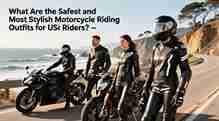
Must-Have Riding Gear for US Roads and Weather: Protecting Riders with Style and Safety
Riding a motorcycle on American roads is as exhilarating as it is demanding. From the sun-soaked highways of California to the snowy passes of the Rockies and the humid streets of the Southeast, riders face a variety of road conditions and weather challenges. Experienced motorcyclists understand that the right gear is not just a matter of fashion; it’s a matter of safety, comfort, and performance. Knowing what to wear and how to equip yourself can be the difference between an enjoyable ride and a dangerous one.
This guide explores Must-Have Riding Gear for US Roads and Weather, providing an in-depth look at essential items, their benefits, and how riders can select gear suited to their climate, style, and riding habits. By combining personal experience, industry knowledge, and expert recommendations, this article offers a comprehensive resource for both new and seasoned riders.
Why Quality Riding Gear Matters
Motorcycle gear is designed to protect riders from more than just minor scrapes. The combination of high speeds, unpredictable drivers, and varying weather conditions makes proper equipment essential. According to the National Highway Traffic Safety Administration (NHTSA), wearing certified helmets and protective gear significantly reduces the risk of injury during accidents. Beyond protection, riding gear enhances comfort, reduces fatigue, and allows riders to maintain control in challenging conditions.
Choosing gear that fits correctly and suits your environment ensures that each ride is safer and more enjoyable. In the United States, where roads and weather vary dramatically from region to region, understanding which pieces of equipment are essential can save riders from both discomfort and danger.
Motorcycle Helmets: The Non-Negotiable Essential
When considering Must-Have Riding Gear for US Roads and Weather, the helmet is the single most critical item. Not only is helmet use mandatory in many states, but it also provides unparalleled protection for your most vulnerable body part — your head.
Full-face helmets are favored by riders seeking maximum safety and weather protection. They shield against wind, debris, rain, and cold while offering advanced aerodynamic design that reduces fatigue on long rides. For urban commuting or casual rides, modular helmets provide versatility with a flip-up chin guard, allowing riders to interact safely without removing their helmet entirely.
Choosing a helmet with DOT (Department of Transportation) or Snell certification ensures compliance with safety standards. Some riders also prefer helmets with additional features such as integrated Bluetooth communication systems, anti-fog visors, and ventilation controls. These enhancements improve convenience, situational awareness, and overall ride quality, making them invaluable for riders traversing diverse US roads and weather conditions.
Riding Jackets: Protection Meets Weather Adaptability
A high-quality motorcycle jacket is a cornerstone of Must-Have Riding Gear for US Roads and Weather. Jackets serve dual purposes: impact protection and climate management. Riders must consider the type of riding, typical weather, and desired level of protection when selecting the ideal jacket.
Leather jackets are classic, offering abrasion resistance and timeless style. Modern textile jackets, however, incorporate advanced materials like Cordura or Kevlar, providing weatherproofing and lightweight flexibility without sacrificing safety. Many jackets now feature removable liners, waterproof membranes, and ventilation zippers, making them suitable for varying temperatures and climates across the United States.
For riders in colder regions, jackets with thermal liners and windproof barriers are essential to maintain warmth during long rides. Conversely, riders in the South or Southwest may prioritize breathable, mesh-based jackets that offer airflow without compromising impact protection. Additionally, reflective panels and bright colors increase visibility, reducing the risk of collisions, especially during dawn, dusk, or rainy conditions.
Gloves: Protecting Hands in All Conditions
Riding gloves are often overlooked, but they are a crucial component of Must-Have Riding Gear for US Roads and Weather. Gloves protect hands from abrasions during falls, insulate against cold, and enhance grip for precise control.
Leather gloves are a versatile option, providing durability and tactile feedback for clutch and brake operation. For colder climates, insulated and waterproof gloves with thermal linings maintain dexterity while shielding fingers from harsh wind and precipitation. In contrast, ventilated gloves are ideal for summer riding, preventing excessive sweat and ensuring a firm grip on handlebars.
Advanced gloves often include reinforced knuckle protection, palm sliders, and touchscreen-compatible fingertips, combining safety with modern functionality. Investing in the right gloves can dramatically improve both comfort and control, making them a true must-have for riders navigating varied American weather.
Riding Pants: Balancing Safety and Comfort
Protective riding pants are a less glamorous but equally important aspect of Must-Have Riding Gear for US Roads and Weather. Riding pants protect the lower body during crashes, abrasions, and extreme weather.
Kevlar-reinforced denim or textile pants provide abrasion resistance without sacrificing comfort, while leather pants offer maximum protection for high-risk riders. Modern riding pants also feature adjustable ventilation, waterproof membranes, and ergonomic stretch panels, allowing riders to maintain mobility without compromising safety.
For long-distance touring or commuting, pants with thermal liners and removable layers provide flexibility across seasons. Riders in colder northern states often choose fully insulated pants, while southern riders may prefer lightweight, breathable options. Some brands now offer pants with integrated CE-rated armor at the knees and hips, giving riders high-level protection without excessive bulk.
Boots: Stability, Protection, and All-Terrain Capability
Motorcycle boots are critical for protecting the feet, ankles, and lower legs. Well-designed boots prevent injuries, provide grip during stops, and enhance stability when maneuvering through traffic or uneven terrain.
Full-coverage riding boots with reinforced toes, ankle protection, and slip-resistant soles are the standard for riders prioritizing safety. Adventure and dual-sport riders often require boots with additional shin protection and waterproofing for off-road excursions.
In addition to safety, boots contribute to comfort during long rides. Breathable, insulated, or waterproof options ensure riders can handle temperature extremes and wet conditions while maintaining proper foot function and traction. Considering the wide variety of US climates, selecting boots suited to your specific riding environment is essential.
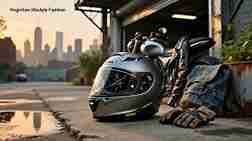
Layering and Weatherproof Gear: Adapting to Changing Conditions
One of the unique challenges for American riders is rapidly changing weather. From sudden storms in the Midwest to intense sun along the California coast, adaptive gear is a core element of Must-Have Riding Gear for US Roads and Weather.
Layering systems allow riders to add or remove insulation based on temperature fluctuations. Waterproof outer shells protect against rain and snow, while breathable inner layers wick moisture to prevent overheating. Riders often combine jackets, pants, and gloves with weather-specific liners to maintain comfort without compromising mobility or safety.
Some riders also invest in heated gear, such as electrically heated vests, gloves, and pants, for extended cold-weather rides. These advanced options maintain warmth in subfreezing temperatures, allowing for longer, safer journeys in regions like the Northeast or Rockies during winter.
Eye and Face Protection: Visibility and Safety in All Conditions
Protecting the eyes and face is a fundamental component of Must-Have Riding Gear for US Roads and Weather. High-quality visors, goggles, and sunglasses shield riders from debris, wind, and UV rays while improving visibility in adverse conditions.
Anti-fog visors and helmet inserts are especially valuable in cold or humid climates, preventing vision obstruction and reducing the risk of accidents. Some helmets now include photochromic visors that automatically darken in sunlight and clear in low light, enhancing safety without requiring riders to swap visors mid-ride.
For off-road or adventure riders, full-face goggles with tear-offs or anti-scratch coatings provide protection from mud, sand, and branches, demonstrating how gear choices vary depending on riding style and terrain.
Rider Visibility: Reflective and High-Contrast Gear
Many accidents occur because riders are not easily seen by other motorists. Visibility gear is a frequently underappreciated yet crucial aspect of Must-Have Riding Gear for US Roads and Weather. Reflective panels, high-contrast jackets, and bright-colored helmets significantly increase the chance of being noticed, especially at night or during inclement weather.
In addition to apparel, riders can install reflective tape on luggage, bikes, and helmets to enhance visibility from all angles. In urban and rural areas alike, high-visibility gear is a simple and effective safety enhancement that complements all other protective equipment.
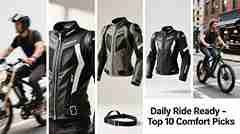
Weather-Specific Considerations Across US Regions
The United States presents diverse weather conditions, and selecting gear tailored to your local environment ensures optimal safety and comfort. Riders in the Pacific Northwest often contend with heavy rain, requiring waterproof jackets, pants, and boots. Midwestern riders face snow and icy conditions during winter months, making thermal liners, heated gloves, and insulated boots essential. Southern riders benefit from lightweight, breathable fabrics to mitigate heat and humidity during long summer rides.
Mountain riders require adaptable layers, as temperatures can fluctuate dramatically from valleys to passes. Coastal riders must balance sun protection with wind resistance for long stretches along highways. Recognizing these regional variations allows riders to customize their gear intelligently rather than relying on one-size-fits-all solutions.
Conclusion: Building a Complete Riding Gear System
Selecting Must-Have Riding Gear for US Roads and Weather is more than checking off a list; it’s about building a comprehensive system that addresses protection, comfort, performance, and adaptability. Helmets, jackets, gloves, pants, and boots provide foundational safety, while technology integration, visibility enhancements, and weather-specific modifications create a gear ensemble capable of handling America’s diverse roads and climates.
Investing in quality gear ensures riders can ride confidently, regardless of conditions. Each piece of equipment contributes to a safer, more enjoyable experience, allowing riders to focus on the freedom and thrill of motorcycling rather than the discomfort or risks posed by the environment. Experienced riders know that thoughtful gear selection is a cornerstone of responsible riding — one that combines personal safety with optimal performance on every road in the United States.
Motorcycling is more than a hobby; it is a way of life. With the right gear, riders can embrace that life fully, navigating urban streets, winding highways, and mountainous passes with confidence, style, and security. Whether you are a daily commuter, weekend explorer, or long-distance touring enthusiast, investing in these essential items transforms every ride into a safe and rewarding adventure.