For over a century, motorcycles have been defined not just by how they move — but by how they sound.
The deep rumble of a V-twin at idle.
The sharp crack of a throttle blip.
The rising growl as RPM climbs toward redline.
For many riders, that soundtrack isn’t background noise — it’s the heartbeat of the machine.
Now enter electric motorcycles.
They’re fast.
They’re smooth.
They’re efficient.
But they’re also… quiet.
And that’s where the debate begins.
Do silent motorcycles kill the riding experience? Or are they simply redefining it?
Let’s explore both sides honestly.
The Emotional Role of Sound in Motorcycling


4
Sound in motorcycling is more than vibration in the air. It’s emotion.
When a traditional gas motorcycle fires up, you immediately feel:
- Mechanical life
- Combustion pulses
- Engine rhythm
That rumble connects rider and machine. The engine talks to you — through vibration, tone, and pitch. As RPM rises, your brain anticipates power delivery.
For many cruiser riders especially, sound is part of identity. The rumble announces your presence before the bike even appears.
To remove that sound can feel like removing personality.
And that’s why some riders argue:
“If it doesn’t roar, it doesn’t feel alive.”
Why Electric Motorcycles Are Quiet


4
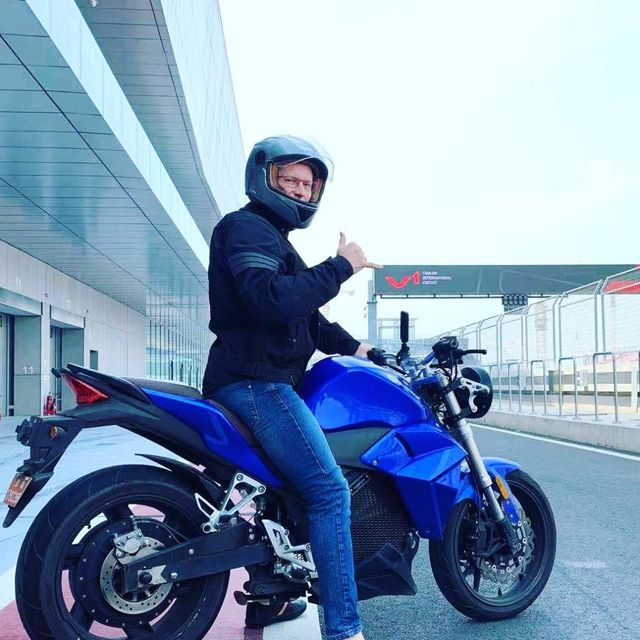
Electric motorcycles don’t rely on combustion. Instead, they use electric motors powered by battery packs.
No explosions.
No exhaust.
No piston cycles.
The result?
A smooth, almost futuristic hum.
What you hear instead is:
- Tire noise
- Wind
- A faint electric whine under acceleration
For some riders, that quietness feels strange at first. For others, it feels refined and modern.
The Case for Sound: Why Riders Love the Roar
Let’s be fair — traditional motorcycles offer things electric bikes currently don’t replicate:
1️⃣ Feedback Through Sound
Engine noise helps riders:
- Judge RPM without looking down
- Shift at the right moment
- Feel power delivery
It becomes instinctual.
2️⃣ Emotional Satisfaction
The sound of acceleration triggers excitement. There’s something primal about internal combustion. It feels raw.
For many, twisting the throttle and hearing the engine respond is half the thrill.
3️⃣ Cultural Identity
Motorcycle culture — especially cruiser culture — has long celebrated engine sound.
From bike nights to rallies, the collective rumble creates atmosphere. Silence in that context can feel out of place.
Sound is part of tradition.
The Case for Silence: Why Some Riders Prefer Quiet
But here’s the other side — and it’s growing.
1️⃣ Reduced Noise Fatigue
On long rides, constant engine vibration and exhaust noise can cause fatigue.
Electric bikes eliminate much of that. Riders often report feeling less tired after long urban commutes.
2️⃣ Urban Friendliness
In cities, loud motorcycles are often criticized.
Silent bikes:
- Disturb fewer neighbors
- Avoid noise complaints
- Fit better into modern urban environments
For daily commuters, this matters.
3️⃣ Focus on the Road
With less engine noise, riders often become more aware of:
- Wind
- Tire grip
- Surroundings
Some say electric riding feels more immersive — more connected to the environment.
Instead of hearing the machine, you hear the world.
Does Sound Equal Safety?
One common argument is:
“Loud pipes save lives.”
The idea is that louder motorcycles make drivers more aware.
However, research suggests that most exhaust sound travels backward — not forward where traffic is.
Modern electric motorcycles compensate with:
- Brighter lighting
- Advanced rider-assist systems
- Better braking response
- Faster acceleration for evasive maneuvers
So while sound plays a role in awareness, it’s not the only safety factor.
The Psychological Shift
The resistance to silent motorcycles is partly psychological.
Motorcycling has always been mechanical. Emotional. Sensory.
Electric bikes remove one of those sensory layers — the auditory one.
But they replace it with something different:
- Instant torque
- Smooth acceleration
- High-tech interfaces
- Futuristic riding feel
It’s not less experience — it’s a different experience.
Generational Divide
Older riders often grew up associating motorcycles with:
- Raw engine character
- Mechanical simplicity
- Custom exhaust culture
Younger riders entering the market today grew up with:
- Smartphones
- Quiet electric cars
- Digital dashboards
- Tech integration
For many younger riders, silence doesn’t mean lack of personality — it means modern efficiency.
The divide isn’t just about sound. It’s about mindset.
Can Sound Be Artificially Added?
Some manufacturers have experimented with:
- Artificial sound generators
- Customizable engine-like tones
- Futuristic acceleration sounds
But many riders feel synthetic sound lacks authenticity.
If it’s not combustion, it feels simulated.
The question then becomes:
Should electric motorcycles imitate gas bikes — or embrace their own identity?
The Riding Experience Is More Than Noise
Let’s step back.
What truly defines riding?
Is it:
- Speed?
- Lean angle?
- Freedom?
- Open road?
- Community?
Sound is powerful — but it’s only one part of the full experience.
Electric motorcycles still offer:
✔ Acceleration
✔ Wind in your face
✔ Open road freedom
✔ Corner carving joy
The core elements remain.
The soundtrack changes — but the motion doesn’t.
Touring Perspective
For long-distance riders, the debate becomes practical.
Gas motorcycles:
- Offer familiar engine rhythm
- Provide traditional touring soundscape
Electric motorcycles:
- Require charging stops
- Offer quieter, calmer rides
Some touring riders may miss engine presence.
Others may enjoy reduced vibration over hundreds of miles.
It depends on preference.
The Real Answer: Does Silence Kill the Experience?
Here’s the honest truth:
Silence doesn’t kill the riding experience.
But it does change it.
For riders who associate motorcycles deeply with engine rumble, electric bikes may feel emotionally incomplete.
For riders who value smoothness, efficiency, and innovation, silence feels refreshing.
The riding experience isn’t defined by volume alone.
It’s defined by:
- Connection
- Control
- Freedom
- Movement
Electric motorcycles simply express those qualities differently.
Final Thoughts
The sound debate isn’t about right or wrong.
It’s about evolution.
Traditional motorcycles offer:
🔥 Character
🔥 Legacy
🔥 Mechanical symphony
Electric motorcycles offer:
⚡ Smooth power
⚡ Modern design
⚡ Quiet efficiency
The future likely isn’t fully silent — and it isn’t fully roaring either.
Both machines will coexist, serving different rider personalities.
Some will always crave the thunder of combustion.
Others will embrace the whisper of electric torque.
In the end, the true riding experience isn’t measured in decibels.
It’s measured in how alive you feel when you twist the throttle — whatever sound follows.