(Complete Beginner-Friendly Buying Guide)
Buying your first motorcycle is a big decision — and the first question most riders face is:
👉 “Should I buy a new motorcycle or a used one?”
Both options have real advantages and real drawbacks. The trick is knowing which one fits your budget, experience level, riding goals, and long-term plans — not just what looks best.
In this complete guide, we’ll break down every aspect of new vs used motorcycles in 2026 — so you can choose smart without buyer’s regret.
🆕 1. New Motorcycle: Fresh, Clean, and Covered


4
✅ Pros of Buying New
1. Full Manufacturer Warranty
Most new bikes come with a standard warranty (and often options to extend it). That means:
- Engine and electrical components covered
- Lower repair costs for the first few years
- Confidence that you won’t inherit hidden problems
2. Latest Tech & Features
In 2026, new motorcycles often include:
✔ Advanced rider assist tech (ABS, traction control)
✔ Ride modes
✔ Smart TFT displays
✔ Bluetooth & connectivity features
✔ Better safety sensors
✔ Updated ergonomics
You get the latest design and most refined experience.
3. Certified Fresh Condition
Zero miles, zero wear and tear, zero unknown accidents. What you see is what you get.
4. Pleasant Buying Experience
Dealers often offer:
- Financing options
- Free first service
- Trade-in offers
- Training courses
That can reduce beginner stress.
❌ Cons of Buying New
1. Higher Upfront Cost
New bikes cost significantly more than used ones — sometimes $2,000–$10,000+ higher.
2. Rapid Depreciation
The moment you take it home, the bike loses value — sometimes 10–20% in the first year.
3. Higher Insurance for New Bikes
Insurance companies often charge more because new bikes are more expensive to repair or replace.
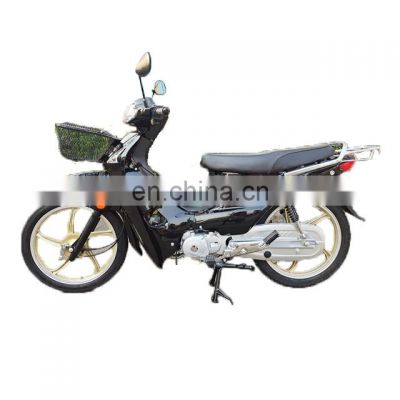
🛠️ 2. Used Motorcycle: Affordable and Practical

4
✅ Pros of Buying Used
1. Lower Price — Big Savings
Used bikes are cheaper! That means:
- Smaller loan requirements
- Lower monthly payments
- More budget left over for gear
A used bike can save you thousands of dollars upfront.
2. Slower Depreciation
Used motorcycles don’t lose value as fast — they’ve already taken the biggest depreciation hit.
3. Opportunity for Better Models
With the money you save, you might afford a higher model year, larger engine, or better brand.
4. Cheaper Insurance
Insurance is usually lower for older bikes — especially if the bike’s value is lower.
❌ Cons of Buying Used
1. Hidden Mechanical Issues
Used bikes can hide:
- Frame damage
- Electrical problems
- Engine wear
- Poor maintenance history
If you don’t inspect thoroughly, you might pay more later.
2. No Warranty (Usually)
Unless certified pre-owned or dealer-backed, used bikes rarely come with full warranty protection.
3. Higher Maintenance Early On
Older bikes often need:
- Fluid changes
- Brake servicing
- Chain/sprocket work
- Suspension tweaks
That adds to cost.
🔍 3. New vs Used: Cost Comparison Breakdown
Let’s compare common costs over a 5-year ownership period.
| Cost Category | New Motorcycle | Used Motorcycle |
|---|---|---|
| Purchase Price | High | Low |
| Insurance Cost | Higher | Lower |
| Maintenance (First 3 Years) | Lower | Higher |
| Repairs (Mid-Life) | Lower (under warranty) | Higher (out of pocket) |
| Resale Value | Drops Fast | More Stable |
| Technology | Latest | Older Tech |
| Ride Confidence | Very High | Depends on Condition |
💡 The real savings on a used bike often come from lower upfront price and slower depreciation — but only if the bike is in good mechanical health.
🧠 4. How to Inspect a Used Motorcycle
If you decide to buy used, here’s a step-by-step inspection guide:
🔎 Outer Body & Frame
✔ Scratches, dents, rust
✔ Frame alignment
✔ Weld quality
🔧 Engine Condition
✔ Check for oil leaks
✔ Cold start sound
✔ Smooth idle
🔄 Brakes & Suspension
✔ Brake pads wear
✔ Fork seals leakage
✔ Suspension smoothness
🧰 Chain, Sprockets & Tires
✔ Chain tension
✔ Sprocket teeth condition
✔ Tire tread depth
🔊 Test Ride (If Possible)
✔ Smooth acceleration
✔ No unusual noises
✔ Responsive brakes
✔ Good handling
If you’re unsure, bring a mechanic with you — it could save you hundreds or thousands later.
🏍️ 5. Should Beginners Choose New or Used?
Here’s how to decide based on your situation:
🔵 Choose New If:
✔ You want peace of mind and warranty
✔ You don’t want to worry about mechanical problems
✔ You plan to ride long term
✔ You want the latest tech and safety features
✔ Budget allows higher upfront cost
🟢 Choose Used If:
✔ You want lower upfront cost
✔ You’re learning and expect minor road wear
✔ You want to shift budget to gear & training
✔ You don’t mind doing basic maintenance
✔ You choose a well-inspected bike
💡 6. Top Tips Before You Buy — New or Used
📌 Always Test Ride
Even if you love the look — if it doesn’t feel comfortable or confident under you, don’t buy it.
📌 Budget for Safety Gear First
Helmet, jacket, gloves, boots — never skip gear just to afford a bigger bike.
📌 Check Insurance First
Sometimes a cheaper bike becomes expensive after insurance quotes.
📌 Factor in Resale Value
Choose a model that holds value — even if you plan selling later.
📌 Consider Your Riding Environment
Urban commuting has different requirements than highway touring.
📊 7. Value Comparison by Rider Type
Here’s which option generally works best for common rider profiles:
🟠 Daily Urban Commuter
✔ Used electric or small gas bike
✔ Low cost, easy handling, close range
🔵 Weekend Cruising & Fun
✔ New mid-range cruiser
✔ Comfortable ride + confident reliability
🟡 Tourers & Long-Distance Riders
✔ New touring bike
✔ Best warranty, safety features, comfort
🟢 Budget Learners
✔ Used starter bike
✔ Skill development without high cost
🧠 8. Depreciation Reality Check
Motorcycles depreciate — but differently for new vs used:
📉 New Bike Depreciation Curve
Year 1: -15% to -25%
Year 2: -10% to -15%
Year 3: -5% to -10%
📊 Used Bike Depreciation
Value declines but at a slower pace — most depreciation already taken.
This means a used bike holds value better relative to what you paid.
🧰 9. Safety Tech: New Bikes Often Win
New motorcycles in 2026 often include:
✔ Cornering ABS
✔ Ride modes
✔ Traction control
✔ Smartphone integration
✔ Better suspension
✔ Faster charging (electric)
Older bikes may lack these — so while used is cheaper, you might miss important safety upgrades.
Ask yourself:
Is saving money worth missing serious safety features?
For beginners — safety should be a priority.
📦 10. Final Verdict: New vs Used in 2026
Here’s the simplified takeaway:
🏁 New Motorcycle
✔ Best warranty
✔ Latest features
✔ Lower early maintenance
✔ Higher resale loss
✔ Higher upfront cost
🏍️ Used Motorcycle
✔ Lower purchase price
✔ Slower depreciation
✔ Higher maintenance risk
✔ Less warranty protection
✔ Can get a better model for your budget
🔥 Real-World Tip: If you’re a complete beginner with limited budget — start with a well-inspected used bike and invest savings into gear and training.
If you want peace of mind, the latest features, and a longer worry-free experience — a new motorcycle may be worth the premium.
Want a Personalized Recommendation?
Tell me:
📌 Your budget
📌 Riding style (commute / touring / weekend fun)
📌 Your location (country)
📌 Your height & experience
I’ll recommend specific motorcycles (new & used) best for you — with prices and pros/cons! 🏍️✨