A few years ago, electric motorcycles felt like experiments — futuristic machines built more for headlines than highways. Fast forward to 2026, and the conversation has changed.
Major manufacturers are investing heavily in electric platforms. Charging networks are expanding. Battery technology is improving. And riders who once laughed at “silent bikes” are starting to take them seriously.
So the big question now is:
Are electric motorcycles truly ready to replace gas bikes in 2026?
The honest answer isn’t simple. It depends on how — and why — you ride.
Let’s break it down realistically.
The Performance Gap Is Smaller Than Ever
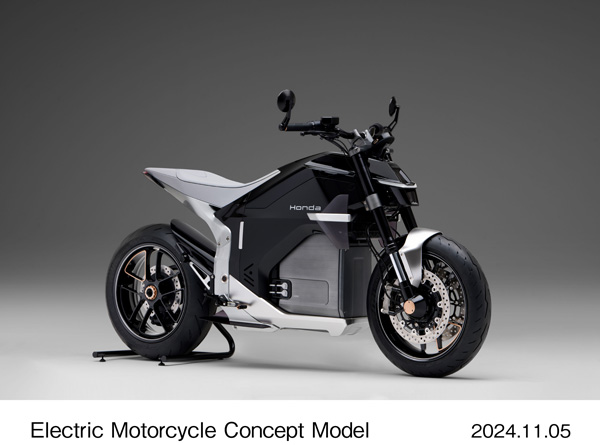


4
One of the biggest myths about electric motorcycles is that they’re slow.
They’re not.
Electric motors deliver instant torque. No gear shifts. No waiting for RPMs to build. Twist the throttle and you get immediate acceleration. In city traffic, many electric bikes feel quicker than traditional gas motorcycles.
In 2026, several electric models rival or exceed mid-range gas bikes in 0–60 performance.
Where gas bikes still dominate is top speed and sustained high-speed riding. Long highway pulls at 80–90 mph drain electric batteries faster than many riders expect.
So in terms of acceleration? Electric is ready.
For long-distance speed touring? Not fully.
Range Anxiety Is Still Real
This is where the debate gets serious.
Most electric motorcycles in 2026 offer:
- 100–180 miles of city range
- 70–120 miles of mixed/highway range
For daily commuting, that’s more than enough.
But for touring riders who love 300-mile road days? Electric still requires careful planning.
Charging time also matters. Even with fast charging, you’re typically looking at:
- 30–60 minutes for a major charge
- Several hours on standard home outlets
Gas bikes still win in convenience here. Fill up in 5 minutes and go.
Electric motorcycles are practical for:
✔ Urban riders
✔ Short weekend trips
✔ Predictable daily commutes
They’re less practical for:
✘ Cross-country touring
✘ Remote rural riding
The Cost Comparison: Long-Term Savings?
At first glance, electric motorcycles often carry higher upfront prices. But ownership costs tell a different story.
Electric Advantages:
- No oil changes
- Fewer moving parts
- No clutch or gearbox wear
- Lower fuel costs (electricity vs gas)
Charging at home is usually far cheaper than filling a fuel tank.
Maintenance costs for electric bikes are significantly lower because the motor has fewer mechanical components compared to a traditional internal combustion engine.
Over 3–5 years, electric ownership can become financially attractive — especially for high-mileage commuters.
However, battery replacement (if needed years later) can be expensive.
Environmental Impact: The Driving Force
For many riders, environmental awareness is a key reason to consider electric.
Electric motorcycles:
- Produce zero tailpipe emissions
- Reduce urban air pollution
- Operate with significantly less noise
In crowded cities where emissions regulations are tightening, electric bikes are increasingly favored.
Some regions even offer:
- Tax incentives
- Registration discounts
- Access to restricted city zones
Governments worldwide are encouraging electric adoption — and that momentum is growing.
The Sound Debate: Emotion vs Silence
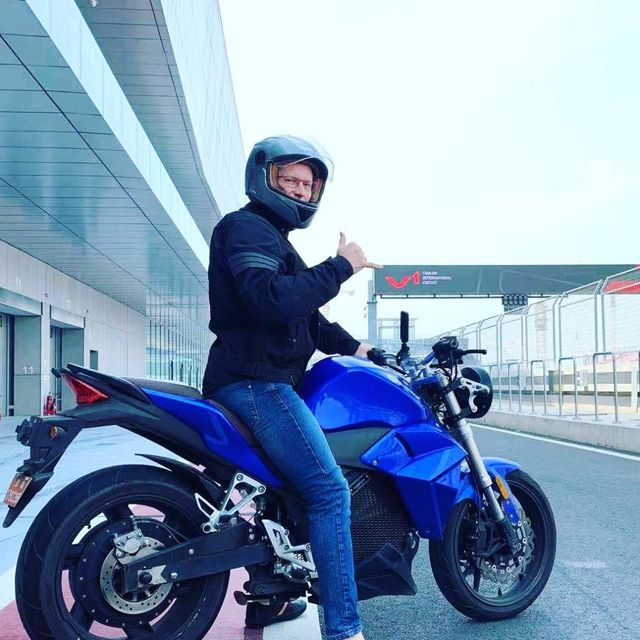


4
Here’s where things get emotional.
Gas motorcycles offer:
- Engine rumble
- Mechanical vibration
- Shifting gears
- Exhaust personality
For many riders, that’s part of the experience.
Electric motorcycles are quiet. Almost too quiet for some. The riding experience feels smooth, almost futuristic — more like gliding than roaring.
Some riders love the calm. Others miss the drama.
This isn’t about performance. It’s about identity.
For cruiser and heritage riders, sound is culture. For modern commuters, silence can feel premium.
Charging Infrastructure: Improving, But Not Perfect
In 2026, public charging stations are far more common than they were five years ago.
Major cities have strong coverage. Highways are improving. But remote areas still present challenges.
Home charging is the best solution — especially if you have:
- A garage
- Dedicated parking
- Level 2 charging setup
Apartment dwellers may struggle unless their building supports EV charging access.
Infrastructure is improving rapidly, but it hasn’t reached the universal convenience of gas stations yet.
Technology and Innovation
Electric motorcycles are pushing innovation faster than gas bikes in some areas.
Features often include:
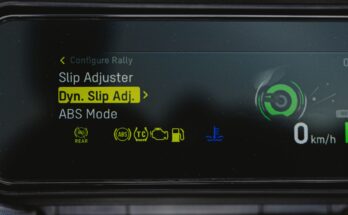
- Advanced ride modes
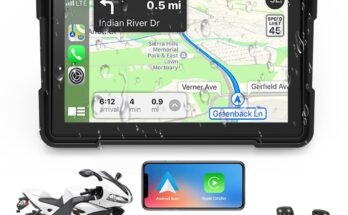
- Smartphone connectivity
- Over-the-air software updates
- Regenerative braking systems
These machines feel modern. High-tech. Connected.
Gas bikes still focus heavily on mechanical refinement, but electric platforms are evolving at software speed.
In terms of technological advancement, electric bikes are ahead.
Who Electric Bikes Are Perfect For in 2026
Electric motorcycles are ideal if you:
- Commute daily in the city
- Ride under 100 miles per day
- Want low maintenance
- Prefer quiet, smooth riding
- Have home charging access
They’re less ideal if you:
- Frequently take 300+ mile trips
- Ride in rural areas with limited charging
- Value traditional engine sound
- Love mechanical gear-shifting engagement
Are Gas Bikes Becoming Obsolete?
Not yet.
Gas motorcycles still dominate in:
- Touring
- Adventure riding
- Rural usage
- Long-distance highway travel
Fueling convenience, extended range, and mechanical character remain strong advantages.
However, the market shift is undeniable. Electric adoption is accelerating. Battery technology is improving yearly. Charging times are shrinking.
We’re not at full replacement yet — but we’re closer than ever.
The Real Answer: Replacement or Coexistence?
In 2026, electric motorcycles are ready to replace gas bikes for many riders — but not all riders.
Urban commuters? Yes.
Weekend short-distance cruisers? Yes.
Long-distance highway tourers? Not completely.
The future likely isn’t total replacement — it’s coexistence.
Gas bikes will remain strong in enthusiast and touring segments. Electric bikes will continue growing in urban and performance niches.
And as battery technology advances further, that balance may shift.
Final Thoughts
Electric motorcycles are no longer experiments. They’re legitimate machines with real-world practicality in the right scenarios.
They’re fast.
They’re efficient.
They’re technologically advanced.
But they still face limitations in range and charging convenience for long-distance riders.
So are electric motorcycles ready to replace gas bikes in 2026?
For some riders — absolutely.
For others — not quite yet.
The road ahead is electric. But for now, both engines still have their place in the world of two wheels.