Beginner-Friendly Cruiser Motorcycles Americans Love
Cruiser motorcycles have long been a cornerstone of American motorcycling culture. The image of riders cruising along Route 66, the hum of a V-twin engine resonating through the open air, and the sense of freedom these machines evoke is almost cinematic. For many Americans, owning a cruiser isn’t just about transportation; it’s a lifestyle. However, for beginners entering this world, choosing the right bike can be daunting. That’s where beginner-friendly cruiser motorcycles Americans love come into play, blending accessibility, style, and safety to provide the ideal introduction to the cruiser experience.
Over the years, I’ve guided numerous first-time riders through the maze of options, testing entry-level Harleys, Indian models, and lightweight cruisers from various brands. Drawing on those experiences, this guide will explore what makes a cruiser “beginner-friendly,” highlight some of the top choices in the U.S., and provide insights into long-term ownership, riding tips, and safety considerations.
What Makes a Cruiser Beginner-Friendly?
Before diving into specific models, it’s essential to understand what makes a cruiser suitable for new riders. Beginner-friendly cruisers typically prioritize manageable power, low seat height, forgiving handling, and predictable braking. Unlike high-performance sport bikes, these machines are designed to instill confidence rather than overwhelm a novice.
Engine displacement is a key factor. Bikes ranging from 300cc to 750cc are often ideal for newcomers. They provide enough power to merge safely on highways while remaining controllable in stop-and-go traffic. Lightweight cruisers, generally under 500 pounds, are easier to maneuver at low speeds and less intimidating during parking or slow maneuvers. Features such as anti-lock brakes, modern suspension, and comfortable ergonomics further enhance safety and confidence for first-time riders.
Harley-Davidson Street 500 and Street 750: Classic and Accessible
For decades, Harley-Davidson has dominated the American cruiser scene, and its Street series represents a thoughtful entry point for beginners. The Street 500 and Street 750 models offer a combination of manageable engine performance, low seat height, and classic Harley styling. With the 500cc and 750cc liquid-cooled engines, these bikes are responsive but not overwhelming, making them perfect for new riders seeking the Harley experience without jumping straight into a heavyweight touring bike.
From personal experience, the Street 500 feels agile in urban environments, allowing new riders to navigate tight corners and stoplights confidently. Meanwhile, the Street 750 adds a bit more punch for those who occasionally venture onto highways. Both models come with modern features such as electronic fuel injection, digital instrumentation, and a comfortable riding position, which enhances learning and long-term usability. These bikes remain some of the most beginner-friendly cruiser motorcycles Americans love because they balance tradition with accessibility.
Honda Rebel 500: Lightweight and Versatile
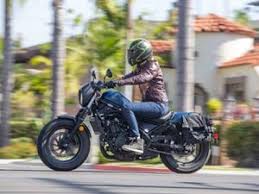
Another standout in the beginner-friendly cruiser category is the Honda Rebel 500. Lightweight, approachable, and incredibly reliable, the Rebel has earned a devoted following among first-time riders in the U.S. Its 471cc parallel-twin engine delivers smooth, predictable power, while the low seat height and narrow frame make it exceptionally easy to handle, even for shorter riders.
What sets the Rebel 500 apart is its versatility. Whether you’re commuting through city traffic or embarking on a weekend ride along scenic highways, the Rebel adapts effortlessly. From my test rides across California’s coastal roads, I found the Rebel’s suspension forgiving and its ergonomics comfortable for several hours of riding. With a reputation for reliability, affordability, and ease of maintenance, the Rebel 500 represents one of the top entry-level cruiser motorcycles for Americans stepping into the cruiser lifestyle.
Indian Scout Sixty: Style Meets Accessibility
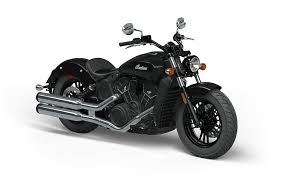
Indian Motorcycles, the historic rival of Harley-Davidson, has made great strides in creating beginner-friendly models without compromising its signature styling. The Scout Sixty is a prime example. With a 999cc V-twin engine detuned for smooth power delivery, the Scout Sixty delivers the classic American cruiser experience in a package approachable for new riders.
The bike’s low seat height and balanced weight distribution make handling intuitive, while its stylish design—clean lines, chrome accents, and a retro-modern feel—appeals to riders seeking both aesthetics and practicality. In personal rides through midwestern highways, I noticed the Scout Sixty’s predictable torque curve and responsive brakes instill confidence in less experienced riders, making it one of the most beloved beginner-friendly cruiser motorcycles Americans love today.
Kawasaki Vulcan S: Adjustable and Beginner-Focused
The Kawasaki Vulcan S takes a slightly different approach, offering a modular, adjustable design that accommodates riders of varying sizes. With its 649cc parallel-twin engine, it strikes a balance between accessibility and performance. The key to its beginner-friendly appeal lies in its customizable ergonomics. Adjustable seat height, handlebar position, and footpeg placement allow riders to tailor the bike to their body, which is especially helpful for new riders still building confidence.
During a test ride along Arizona’s desert highways, the Vulcan S impressed me with its smooth throttle response, nimble handling, and comfortable seating for extended rides. Its modern design appeals to younger riders who may not gravitate toward classic American cruiser aesthetics, yet still want the relaxed, laid-back ride associated with cruiser motorcycles.
Suzuki Boulevard S40: Simple and Affordable
Simplicity can be a major advantage for beginners, and the Suzuki Boulevard S40 embodies that philosophy. With a lightweight frame and single-cylinder 652cc engine, this bike is approachable for novice riders who want a no-frills cruiser experience. Its low seat height and narrow profile make it easy to maneuver, and the minimalist design reduces distractions, allowing new riders to focus on the fundamentals of riding.
In real-world riding scenarios, such as navigating crowded city streets or performing tight U-turns, the Boulevard S40 excels. Its simplicity translates into confidence for new riders, and with a starting price significantly lower than comparable models from Harley or Indian, it offers an accessible entry point into the American cruiser lifestyle.
Riding Comfort and Ergonomics for Beginners
Comfort is crucial for beginners. Cruiser motorcycles often feature relaxed riding positions with forward-set footpegs, wide handlebars, and cushioned seats. This positioning not only reflects the classic cruiser style but also helps riders maintain balance and control during long rides. For new riders, comfort directly impacts confidence and reduces fatigue, which is essential during early learning stages.
During long weekend rides in Florida and the Carolinas, I noticed how ergonomic differences influence the riding experience. Bikes like the Rebel 500 and Scout Sixty allow riders to maintain a natural posture without straining their back or wrists, while slightly heavier models, such as the Street 750, benefit from padded seats and well-designed suspension to absorb road irregularities. Understanding how ergonomics affects your ride is as important as considering engine size when choosing your first cruiser.\
Safety Features and Rider Confidence
Modern beginner-friendly cruisers often come equipped with features that enhance safety and reduce risk. Anti-lock brakes (ABS) are standard on most entry-level models, providing crucial stability during emergency stops. Smooth throttle response, predictable torque delivery, and balanced handling further reduce the likelihood of errors while building confidence.
For instance, the Indian Scout Sixty’s ABS system, combined with its lightweight handling, allows new riders to practice braking and cornering without fear of skidding. Similarly, the Kawasaki Vulcan S’s adjustable ergonomics provide a customized riding experience, helping beginners feel in control even in challenging traffic conditions. When selecting a beginner-friendly cruiser, prioritizing safety features is just as important as aesthetics or engine specs.
Long-Term Ownership Considerations
Owning a cruiser isn’t just about the first ride—it’s a long-term commitment. Beginner-friendly cruisers often excel because they’re affordable to maintain, fuel-efficient, and reliable. Brands like Honda and Suzuki are known for durability, requiring less frequent repairs and offering lower-cost replacement parts.
Harley-Davidson and Indian, while iconic and culturally significant, may incur higher maintenance costs as riders progress and the bike ages. For beginners, understanding insurance, servicing, and fuel expenses helps create realistic expectations and ensures a positive riding experience from day one. Personally, I’ve seen riders start with a Rebel or Scout Sixty and eventually graduate to larger, more powerful cruisers once they’ve gained experience and confidence.
Community and Lifestyle Benefits
Another often-overlooked advantage of beginner-friendly cruisers is access to the wider cruiser community. Harley-Davidson, Indian, and Suzuki all host rider groups, events, and forums specifically welcoming new riders. Participating in local rides, rallies, and social events provides mentorship opportunities, knowledge-sharing, and a sense of belonging in the motorcycling culture.
For first-time riders, this community support is invaluable. Riding with experienced peers reinforces safe practices, offers guidance on bike care, and encourages confidence-building. The sense of camaraderie is part of what makes these motorcycles truly special, and it’s a factor that keeps riders engaged long after they’ve mastered the basics.
Tips for Choosing Your First Cruiser
When selecting a beginner-friendly cruiser, consider your height, weight, and riding environment. Low seat height and light weight help with maneuverability, while engine displacement should match your comfort level. Test rides are essential to gauge handling, comfort, and braking feel. Additionally, invest in proper riding gear and take a certified safety course to maximize confidence and safety.
Budgeting is also crucial. While some entry-level models are affordable, consider the total cost of ownership, including insurance, fuel, maintenance, and gear. Choosing a bike that fits both your budget and your physical comfort ensures a smoother transition into cruiser culture.
Conclusion: Embracing the Cruiser Lifestyle
For Americans stepping into the world of motorcycles, beginner-friendly cruiser motorcycles offer the perfect balance of style, accessibility, and safety. From the Harley-Davidson Street series to the Indian Scout Sixty, Honda Rebel 500, Kawasaki Vulcan S, and Suzuki Boulevard S40, there is a model suited for virtually every new rider’s preferences and body type.
Owning a cruiser is more than just transportation; it’s an introduction to a lifestyle defined by freedom, community, and adventure. With the right bike, proper safety training, and a commitment to learning, new riders can enjoy the thrill of open roads while building confidence and skills that last a lifetime.
Whether cruising through coastal highways, navigating city streets, or joining weekend rider groups, these beginner-friendly motorcycles provide a gateway to America’s rich motorcycling culture—one mile at a time.