One of the biggest questions riders ask before switching to electric is simple:
“How do I charge it — and how much will it actually cost me?”
Unlike gas motorcycles, where you pull into a station, fill up in five minutes, and ride away, electric motorcycles require a different mindset. Charging is slower. Planning matters. But in many cases, it’s also cheaper and more convenient — especially if you can charge at home.
In 2026, charging technology has improved significantly. Still, understanding the real costs, real charging times, and proper home setup is essential before you commit to electric.
Let’s break it down clearly and practically.
Understanding the Basics of Electric Motorcycle Charging


4
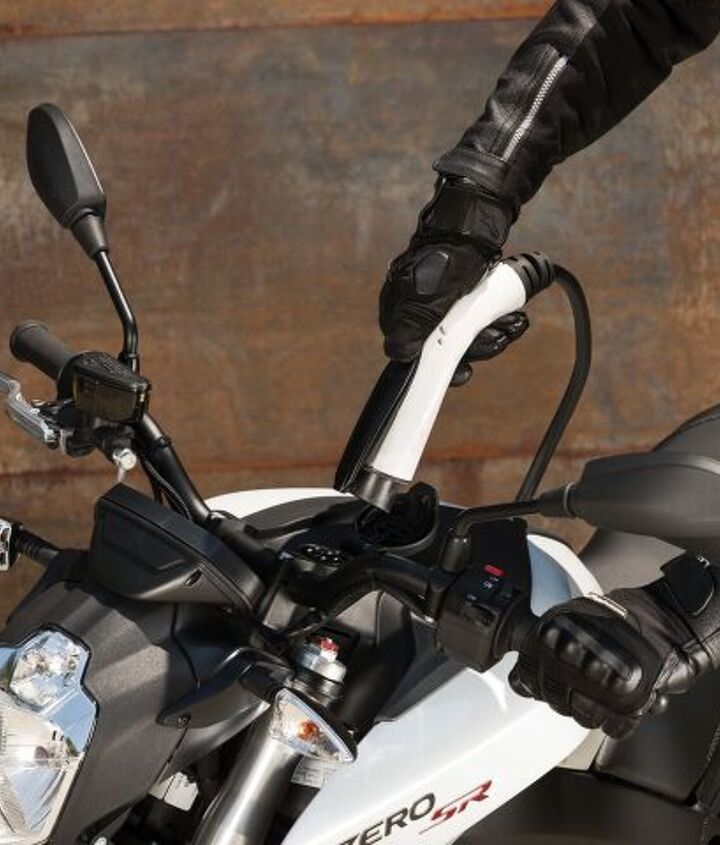
Electric motorcycles charge using lithium-ion battery packs. The battery capacity is measured in kilowatt-hours (kWh) — similar to electric cars.
For example:
- Smaller urban electric bikes: 7–10 kWh
- Mid-size electric motorcycles: 12–15 kWh
- Larger performance models: 18+ kWh
The bigger the battery, the longer it takes to charge — but the more range you get.
Charging speed depends on:
- Charger type
- Battery size
- Current battery level
- Ambient temperature
The Three Main Charging Types
1️⃣ Level 1 Charging (Standard Home Outlet)
This is the simplest option.
- Uses a regular 120V household outlet
- No special installation required
- Slowest charging method
Typical Charging Time:
8–12 hours for a full charge (depending on battery size)
Best for:
✔ Overnight home charging
✔ Riders with small to mid-size batteries
✔ Low daily mileage users
If you ride 30–50 miles daily, plugging in overnight is usually enough.
2️⃣ Level 2 Charging (Home or Public Fast Charger)
Level 2 uses a 240V connection — similar to what powers large appliances like dryers.
Typical Charging Time:
2–4 hours for a full charge
Benefits:
- Much faster than Level 1
- Ideal for daily riders
- Common at public charging stations
Many serious electric motorcycle owners install a Level 2 charger at home for convenience.
3️⃣ DC Fast Charging (If Supported)
Not all electric motorcycles support DC fast charging — but if yours does, it’s the quickest option.
Typical Charging Time:
30–60 minutes to reach 80%
Best for:
✔ Road trips
✔ Highway travel
✔ Quick top-ups during long rides
DC fast chargers are commonly found in cities and along major highways — though availability still varies by region.
How Much Does It Cost to Charge?
Here’s where electric motorcycles shine.
Let’s break down a realistic example.
Imagine your motorcycle has a 15 kWh battery.
Average electricity cost in the US:
~$0.15 per kWh (varies by state)
Cost to Fully Charge:
15 kWh × $0.15 = $2.25 per full charge
If that full charge gives you:
- 120–150 miles of range
You’re spending roughly:
1.5 to 2 cents per mile
Compare that to gas:
If a gas motorcycle gets 40 MPG and fuel costs $4 per gallon:
- $4 ÷ 40 = 10 cents per mile
Electric riding is significantly cheaper per mile.
Public Charging Costs
Public charging stations may charge:
- Per kWh
- Per minute
- Flat session fees
Costs vary widely but typically range from:
- $0.20–$0.45 per kWh
Even at higher public rates, electric riding usually remains cheaper than gasoline.
However, frequent public charging reduces savings compared to home charging.
Home Charging Setup Guide


4
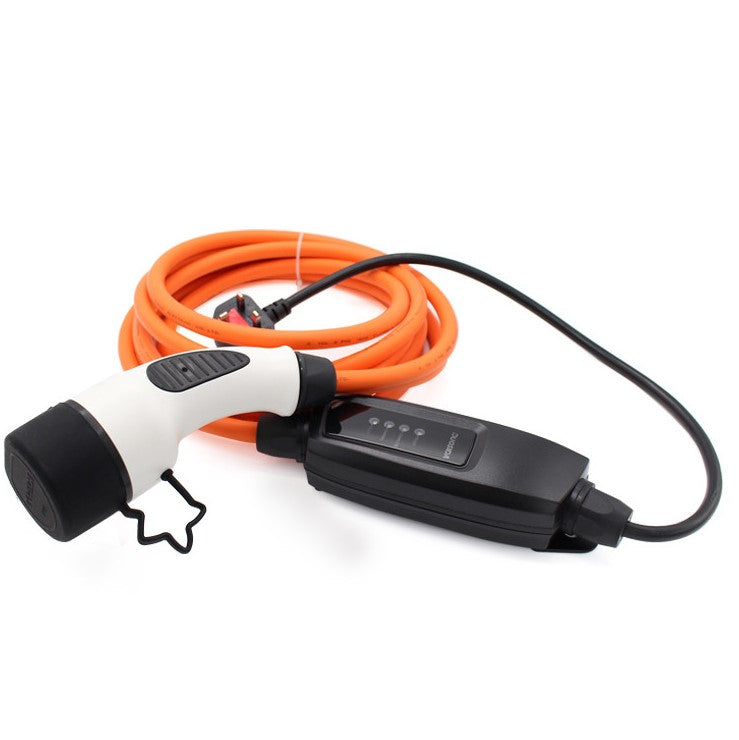
If you’re serious about electric motorcycle ownership, home charging is the most convenient option.
Step 1: Check Your Electrical Panel
A licensed electrician should:
- Inspect panel capacity
- Confirm available circuit space
- Ensure safe load management
Most modern homes can support a Level 2 charger, but older homes may need upgrades.
Step 2: Install a Level 2 Charger (Optional but Recommended)
Installation cost:
- $500–$1,500 depending on wiring distance and panel upgrades
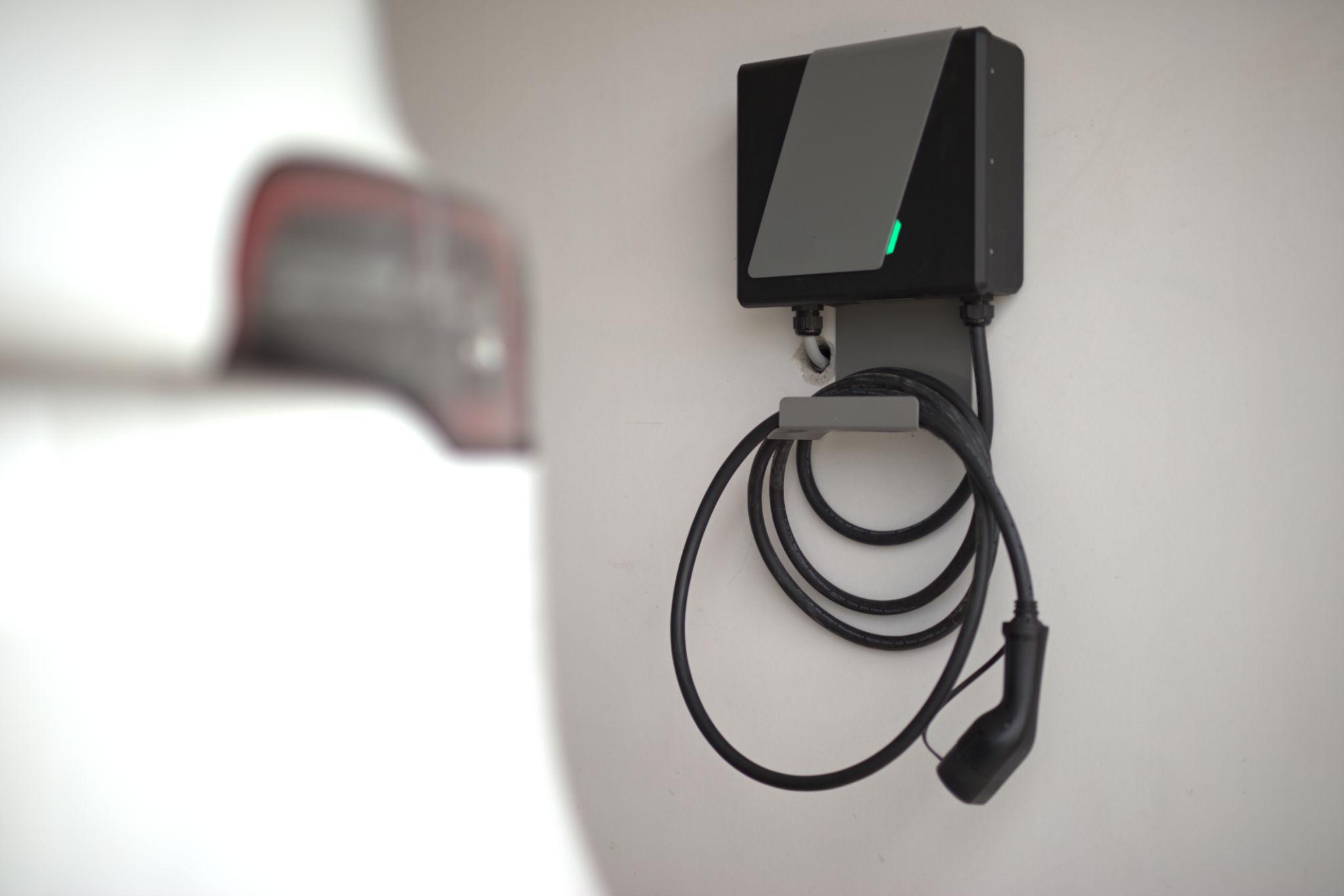
Wall-mounted Level 2 chargers provide:
✔ Faster charging
✔ Smart scheduling features
✔ Energy tracking
Many allow you to schedule charging during off-peak hours — lowering electricity costs.
Step 3: Choose the Right Charging Location
Ideal setup:
- Indoor garage
- Weather-protected outlet
- Easy cable management
Avoid:
- Overloaded extension cords
- Outdoor exposure without weather protection
- Shared outlets with heavy appliances
Safety first — always use manufacturer-approved cables.
Charging Time vs Riding Habits
Here’s how charging realistically fits into different rider lifestyles:
🏙️ Urban Commuter (30–40 miles daily)
- Plug in overnight
- Level 1 charging usually sufficient
- Rarely need public chargers
🛣️ Weekend Rider (100+ miles per trip)
- May need mid-ride fast charge
- Level 2 at home recommended
- Route planning important
🏞️ Long-Distance Traveler
- Requires DC fast charging support
- Must plan routes carefully
- Charging stops become part of journey
Unlike gas bikes, electric touring requires intentional stops.
Battery Care Tips for Long-Term Health
To maximize battery life:
✔ Avoid constantly charging to 100%
✔ Try not to drop below 10% frequently
✔ Keep bike stored in moderate temperatures
✔ Use manufacturer-recommended charging equipment
Modern battery management systems protect against major issues, but good habits extend lifespan.
Pros and Cons of Electric Motorcycle Charging
✅ Advantages
- Extremely low cost per mile
- Home convenience
- No gas station visits
- Quiet and clean process
- Lower maintenance overall
❌ Limitations
- Longer refuel times
- Charging infrastructure varies
- Requires planning for long trips
- Initial installation cost for home setup
Is Charging Really Inconvenient?
It depends on your mindset.
Gas mindset:
Refuel when empty.
Electric mindset:
Recharge when parked.
Most riders park their motorcycle overnight anyway. Charging simply becomes part of that routine.
For many owners, plugging in at night feels easier than stopping at gas stations.
Final Thoughts
Charging an electric motorcycle in 2026 is:
✔ Affordable
✔ Practical for daily riders
✔ Easier with home setup
✔ Still evolving for long-distance travel
A full charge often costs less than a cup of coffee — and can power you for over 100 miles.
The key is understanding your riding habits.
If you commute or ride locally, electric charging is simple and cost-effective.
If you frequently tour long distances, you’ll need more planning — but it’s increasingly manageable.
Electric motorcycles don’t eliminate refueling — they just change how it works.
And once the routine becomes familiar, many riders find it surprisingly convenient.
If you want next, I can write:
⚡ “Electric vs Gas Motorcycles: Which Is Cheaper Long-Term?”
⚡ Or “Best Electric Motorcycles for Beginners in 2026”
Just tell me which one you’d like.