Choosing between an electric motorcycle and a traditional gas-powered bike in 2026 isn’t just about performance and style — it’s also about cost of ownership. While electric bikes promise lower fuel expenses and maintenance costs, gas motorcycles bring long-standing infrastructure and resale value to the table. So the real question riders ask is:
👉 Which is genuinely cheaper in the long run — electric motorcycles or gas motorcycles?
Let’s break down every expense, compare them fairly, and analyze real-world ownership costs so you can make an informed decision.
1. Upfront Purchase Price: Electric Is Often Pricier
One of the biggest differences between electric and gas motorcycles shows up right at purchase time.
🔹 Electric Motorcycles
Electric bikes tend to have higher upfront prices due to:
- Expensive battery packs
- Advanced electronics
- Emerging technology costs
In 2026, a typical mid-range electric motorcycle might cost:
💲$12,000 – $18,000+
High-end performance models can go much higher.
🔸 Gas Motorcycles
Gas bikes benefit from decades of mass production:
💲$8,000 – $15,000+
For many popular cruisers and sport bikes.
Conclusion on upfront cost:
✔ Gas motorcycles generally cost less initially
✖ Electric motorcycles often have a premium price tag
But upfront cost is just part of the story.
2. Fuel vs Electricity: The Big Daily Expense Difference
This is where electric motorcycles begin to shine.
🚗 Gas Motorcycles – Fuel Costs
Gas bikes need gasoline — and prices fluctuate depending on:
- Country
- Tax rates
- Market demand
Assume gas costs around:
💲$3.50 – $4.00 per gallon
If a bike averages:
🛵 40 miles per gallon
Then cost per mile is:
💲 $0.0875 – $0.10 per mile
Over 10,000 miles/year:
💲 $875 – $1,000 in fuel alone
🔋 Electric Motorcycles – Charging Costs
Electric motorcycles are powered by electricity — which is almost always cheaper than gas.
Suppose an electric bike has a:
🔋 15 kWh battery
and average cost of electricity is:
⚡ $0.15 per kWh
Charging cost:
15 × $0.15 = $2.25 per full charge
Range per full charge ~120 miles
Cost per mile:
💲 ~$0.018
For 10,000 miles/year:
💲 ~$180
Fuel vs Electricity – Cost Comparison
| Cost Type | Gas Motorcycle | Electric Motorcycle |
|---|---|---|
| Cost per mile | ~$0.09 – $0.10 | ~$0.015 – $0.03 |
| Annual fuel cost (10,000 miles) | $875 – $1,000 | ~$180 |
Winner: ⚡ Electric motorcycles — significantly cheaper to “fuel”
3. Maintenance Costs: Fewer Parts, Lower Bills (Electric)
Electric motorcycles have simpler mechanical systems:
🔹 Electric Bikes
✔ No oil changes
✔ No clutch
✔ No complicated engine components
✔ Fewer moving parts overall
Maintenance costs are usually:
🛠️ $150 – $400 per year
(excluding tires and brakes)
🔸 Gas Bikes
Gas motorcycles have many mechanical systems:
- Clutch
- Engine oil + filter
- Transmission
- Valves & timing
- Exhaust systems
Routine services include:
🔧 Oil changes, valve checks, spark plugs, filters, and occasional clutch replacements.
Maintenance costs often run:
🛠️ $400 – $1200+ per year
And that’s before unexpected repairs.
4. Tires & Brakes: A Draw, But Electric Has an Edge
Whatever type of motorcycle you ride, tires and brakes cost money.
🚨 Tires
Both electric and gas bikes require fresh tires regularly (about every 6,000–10,000 miles depending on riding style).
Average cost:
💰 $300 – $600 per tire change
🛑 Brakes
Electric bikes regenerate energy under braking — this actually extends brake life, meaning fewer replacements.
Gas bikes use conventional braking more heavily — and brake pads can wear out sooner.
Maintenance edge: ⚡ Electric bikes — regenerate braking increases longevity
5. Insurance: Variable, But Often Similar
Insurance costs depend more on:
- Rider age
- Location
- Riding history
- Bike value
Electric bikes cost more to repair or replace electronics, which can slightly raise premiums.
But many insurers now offer competitive rates on electric motorcycles due to:
- Lower accident severity
- Safer ride behavior
- Reduced theft risk in some markets
So insurance is not a decisive factor — it varies case to case.
6. Resale Value: Gas Bikes Still Hold Stronger Value
Resale value matters when you sell or trade in a few years down the road.
🔹 Gas Motorcycles
Gas bikes have decades of established resale markets. Most models retain value well, especially classics and heritage bikes.
🔸 Electric Motorcycles
Electric resale value can be unpredictable because:
- Battery health affects value
- Rapid tech changes make older models less desirable
- Limited used market
The battery’s health and cycle count are huge resale factors. Bikes with degraded batteries often drop in value the most.
Advantage: 🏍️ Gas bikes — stronger, more established resale market
7. Charging Infrastructure vs Gas Stations
Gas bikes benefit from:
⛽ Gas stations EVERYWHERE
Electric motorcycles still rely on:
⚡ Charging stations that are expanding, but not yet universal
This matters on long trips. If you cannot charge easily, the bike may sit idle — and idle bikes cost money too.
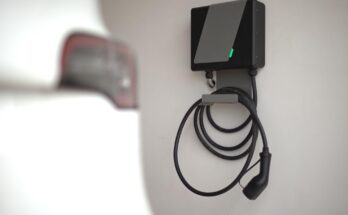
However, home chargers solve most daily needs.
Still, practical convenience remains an advantage for gas bikes.
8. Long-Term Savings Summary
Now let’s summarize long-term ownership costs over, say, 5 years of riding 10,000 miles per year.
🔹 Electric Motorcycle — 5-Year Estimate
| Expense | Estimated Cost |
|---|---|
| Purchase Price | $14,000 |
| Electricity | $900 |
| Maintenance | $1,500 |
| Insurance | $3,000 |
| Resale Value | –$7,000 (estimated) |
| Total Ownership Cost | $12,400 |
🔸 Gas Motorcycle — 5-Year Estimate
| Expense | Estimated Cost |
|---|---|
| Purchase Price | $10,000 |
| Fuel | $4,500 |
| Maintenance | $4,000 |
| Insurance | $3,000 |
| Resale Value | –$6,000 |
| Total Ownership Cost | $15,500 |
🔎 Conclusion:
Even with a higher upfront price, electric motorcycles often end up cheaper over 5 years — mostly due to drastically lower fuel and maintenance costs.
9. Which Rider Saves the Most?
Electric bikes are especially cheaper long-term for:
✔ Daily commuters
✔ City riders
✔ Urban delivery riders
✔ Short-range touring
✔ Riders who charge at home
But if you’re a:
✘ Long-distance highway rider
✘ Rural rider with limited charging access
✘ Rider who trades bikes often
…then the cost advantage shrinks.
10. Hidden Savings Electric Bikes Offer
📱 Software Updates
Many electric bikes receive:
- Feature upgrades
- Battery optimization
- Performance tweaks
All without dealership trips.
🏠 Home Charging Convenience
Charging while you sleep saves:
- Gas station trips
- Time & effort
- Fuel cost spikes
⚙ Lower Repair Complexity
Less chance of:
- Head gasket failures
- Carburetor issues
- Transmission wear
Electric bikes simply have fewer failure points.
11. When Gas Bikes Still Make Sense
There are some contexts where gas bikes remain practical:
✔ Rural areas with limited charging
✔ Frequent long highway tours
✔ Riders who resell bikes frequently
✔ Riders who prefer mechanical simplicity
These riders value convenience and resale stability — areas where gas bikes still excel.
12. What the Future Holds
Battery technology continues to improve:
🔋 Longer range
⚡ Faster charging
💡 Lower battery cost
📈 More public chargers
If this trend continues, electric motorcycles will become even cheaper long-term — not just versus gas bikes but versus almost any transportation mode.
Final Takeaway: Which Is Cheaper Long-Term?
✔ Electric motorcycles are generally cheaper to own and operate in the long run — especially for everyday riders with home charging and urban use.
✔ Gas motorcycles still have advantages in infrastructure, resale value, and touring convenience.
But if you look at real costs — fuel, maintenance, lifetime expense — electric is already winning for many riders — and the gap is growing wider every year.
Need a Simple Cost Calculator?
If you want, I can build a long-term cost comparison calculator based on:
- your country’s electricity price
- your average mileage
- your favorite motorcycle model
Just tell me your numbers! 🏍⚡⛽