Harley vs Indian: The Battle for America’s Roads
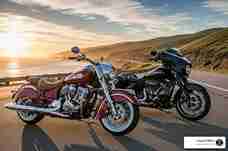
Few rivalries in the motorcycle world capture the imagination of riders and enthusiasts like the ongoing battle between Harley-Davidson and Indian Motorcycles. For over a century, these two legendary American brands have defined the cruiser segment, shaping not only how motorcycles are built but also how they are experienced, marketed, and revered. The debate between Harley and Indian isn’t just about specs, horsepower, or styling—it’s about identity, culture, and what it truly means to ride in America.
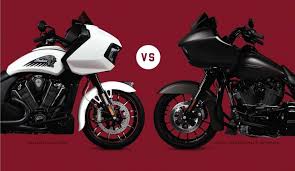
Having ridden both brands extensively across multiple US states, from the bustling streets of New York to the open highways of Arizona, I’ve seen firsthand why this rivalry continues to dominate American roads. This article delves into the Harley vs Indian: the battle for America’s roads, exploring history, performance, culture, and rider experience to help enthusiasts make informed choices.
A Century-Long Rivalry
The roots of the Harley vs Indian rivalry go back over a hundred years. Harley-Davidson was founded in 1903 in Milwaukee, Wisconsin, and quickly became synonymous with innovation, reliability, and American craftsmanship. Indian, founded even earlier in 1901 in Springfield, Massachusetts, pioneered many design features that remain integral to cruiser motorcycles today.
During the early 20th century, both brands competed for dominance in racing, military contracts, and civilian markets. Harley-Davidson’s resilience during economic hardships and global conflicts cemented its reputation, while Indian’s early innovations, including the first V-twin and iconic styling, set standards for American motorcycles. This historical context isn’t just trivia; it forms the backbone of each brand’s identity and influences how riders perceive their machines today.
Design Philosophy: Classic vs Modern Heritage
When discussing Harley vs Indian, one of the most noticeable differences is design philosophy. Harley-Davidson has long focused on a muscular, aggressive aesthetic with unmistakable styling cues like the V-twin rumble, teardrop fuel tanks, and wide handlebars. Harleys are immediately recognizable at any stoplight and exude presence even when stationary.
Indian, on the other hand, often emphasizes elegance blended with performance. Bikes like the Indian Chief or Chieftain balance classic cruiser lines with modern technology, offering sweeping fenders, integrated infotainment systems, and refined ergonomics. In my experience, riding an Indian feels like commanding a heritage motorcycle that bridges the past and present, whereas a Harley embodies raw American character and street dominance.
Engine Performance and Ride Experience
Performance is where many enthusiasts dive deep into the Harley vs Indian debate. Harley-Davidson relies on the Milwaukee-Eight V-twin engines, known for their deep, throaty rumble, smooth torque delivery, and reliability across long distances. On the open highways of the United States, these engines provide effortless cruising and predictable handling even when loaded with luggage for extended trips.
Indian Motorcycles, using the Thunderstroke V-twin, emphasize torque, acceleration, and modern refinement. In my experience riding the Indian Chieftain across mountainous terrain, the bike responded more eagerly to throttle input while maintaining composure over tight curves, making it feel slightly sportier without sacrificing cruiser comfort. This blend of heritage and performance gives Indian an edge in versatility, whereas Harley remains the archetype of classic, deliberate American cruiser power.
Comfort and Ergonomics for Long-Distance Riding
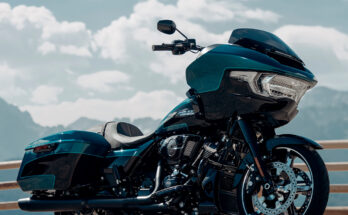
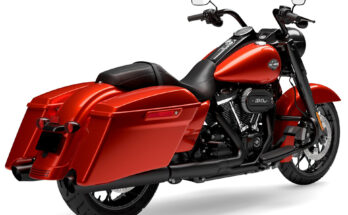
For riders planning long road trips, comfort is paramount. Harley-Davidson offers a wide range of touring and cruiser models, such as the Street Glide and Road King, featuring cushioned seats, adjustable handlebars, and excellent wind protection. On a week-long ride across Route 66, I noticed how Harley’s ergonomics allowed for hours of riding with minimal fatigue, even with a full touring setup.
Indian doesn’t lag behind in comfort. Bikes like the Roadmaster or Chieftain come with advanced suspension, plush seats, and windshields designed to reduce rider strain. Indian also tends to offer more modern conveniences, including touch-screen infotainment, integrated navigation, and even heated grips and seats, which enhance long-distance comfort. For riders seeking tech-infused cruising without losing the traditional feel, Indian often has a subtle advantage.
Customization and Personal Expression
One of the hallmarks of American cruiser culture is customization, and both Harley and Indian shine in this area, though in different ways. Harley-Davidson’s extensive dealer network and aftermarket ecosystem allow riders to tailor their bikes from exhausts to handlebars, paint jobs to seats. The Harley community thrives on individuality, and the bike you ride can become a personal statement.
Indian offers customization as well, but often in a more refined, factory-focused way. Their “Dark Horse” series and premium packages allow riders to upgrade aesthetics and performance without needing extensive aftermarket modifications. Riding an Indian with personalized features often feels like combining artisan craftsmanship with mechanical excellence, whereas Harley customization emphasizes personal storytelling and community identity.
Technology and Modern Features
While Harley-Davidson maintains a strong connection to its traditional roots, Indian frequently pushes the envelope with technology. Modern Indian cruisers come equipped with ride modes, traction control, integrated infotainment, and advanced braking systems. During a cross-country ride through varying climates, these features proved invaluable, providing safety and adaptability without compromising the authentic cruiser feel.
Harley has adopted many technological advancements in recent years, including ABS, electronic suspension adjustment, and infotainment in touring models. However, the brand often balances tech with tradition, ensuring that a Harley still feels like a raw, visceral experience rather than a gadget-heavy ride. For riders seeking a perfect blend of classic feel and modern safety, the comparison often comes down to personal preference.
Sound and Character: The Signature Experience
Perhaps the most visceral difference between Harley and Indian is sound. The Harley-Davidson rumble is legendary—an unmistakable, low-frequency growl that announces your presence. In urban settings and open highways alike, the Harley sound is almost a cultural statement, signaling identity as much as performance.
Indian motorcycles offer a similarly powerful audio signature, but with a slightly more refined tone. The Thunderstroke engine produces a deep, satisfying exhaust note that feels both aggressive and polished. During a sunset ride along the California coast, I noticed how both brands draw attention differently: Harley commands immediate recognition, while Indian evokes admiration for craftsmanship and subtle authority.
Community and Cultural Impact
Beyond bikes themselves, the Harley vs Indian debate extends into culture and community. Harley-Davidson riders are famously loyal, with a rich ecosystem of dealerships, riding clubs, and events. Rallies like Sturgis or Daytona Bike Week showcase the Harley lifestyle in ways that few brands can match.
Indian has cultivated a similarly passionate following, emphasizing heritage, touring experiences, and regional rallies. Events like the Indian Motorcycle Riders Group gatherings foster camaraderie and a sense of adventure. In my experience, Indian riders often share stories about family history, road trips, and craftsmanship, creating a community that feels intimate yet deeply connected to American motorcycling traditions.
Pricing and Value Considerations
Price is often a deciding factor for riders navigating the Harley vs Indian question. Harley-Davidson has a wide range of models, with entry-level bikes accessible to new riders and high-end touring machines commanding premium prices. The resale value of Harleys tends to remain strong due to brand loyalty and iconic status.
Indian motorcycles are similarly priced in the premium cruiser segment but often include more features as standard, such as advanced infotainment or wind protection. While initial costs may be comparable, some riders perceive better long-term value in Indian models due to included amenities and slightly more versatile touring capabilities.
Long-Distance Touring Capabilities
For riders planning extended journeys, the touring capabilities of each brand become critical. Harley-Davidson’s touring lineup, including the Ultra Limited and Electra Glide, is purpose-built for long-distance comfort, with generous storage, advanced wind protection, and smooth power delivery over hundreds of miles.

Indian’s Roadmaster and Chieftain models offer similar touring prowess but with added modern conveniences like GPS, heated seating, and customizable ride modes. On a multi-state trip through the Rockies and Midwest, I noticed how both bikes performed admirably, but Indian’s tech features provided incremental comfort and convenience, especially on challenging terrain or unpredictable weather.
Styling and Personal Preference
Ultimately, choosing between Harley and Indian often comes down to personal taste. Harley-Davidson embodies rugged, muscular American style—iconic, bold, and instantly recognizable. Indian blends tradition with refinement, offering sweeping lines, polished finishes, and a slightly more contemporary aesthetic while still honoring its heritage.
I’ve observed riders choosing Harley for its street presence and cultural recognition, while Indian appeals to those seeking comfort, modern features, and understated elegance. Both brands evoke pride and excitement, but the decision is intensely personal, rooted in how a bike makes you feel when you twist the throttle.
Conclusion: Harley vs Indian, the Battle Continues
The rivalry between Harley-Davidson and Indian Motorcycles is more than a debate over specs—it’s a clash of culture, philosophy, and heritage. Harley represents raw American attitude, legendary sound, and decades of loyal rider culture. Indian offers refinement, modern innovation, and a polished homage to a century of American motorcycling.
Having ridden extensively on both brands, I can attest that neither is objectively superior. The choice depends on what you value: Harley for tradition, presence, and classic character, or Indian for versatility, technology, and refined touring experience. Either way, these motorcycles represent the pinnacle of American cruising culture, and both continue to dominate the roads, inspiring generations of riders and enthusiasts.
In the end, the battle for America’s roads isn’t about winners or losers—it’s about celebrating the freedom, craftsmanship, and adventure that only these iconic motorcycles can deliver. Whether you’re a lifelong Harley rider or a devoted Indian enthusiast, one thing is certain: the open road will always belong to those who ride with passion, regardless of the badge on the tank.