In the world of American cruisers, two names dominate the conversation — Harley-Davidson and Indian Motorcycle.
This isn’t just a brand comparison. It’s a cultural debate. A garage argument. A highway rivalry that stretches back more than a century.
Some riders swear by the unmistakable rumble of a Harley. Others stand firmly behind the refined power and heritage of Indian. Both brands build beautiful machines. Both have loyal communities. Both claim to represent the spirit of American freedom.
So the real question is: Which cruiser brand truly owns the road?
Let’s break it down honestly — without hype, without bias — and see where each one stands.
A Battle Rooted in History
Before specs and styling, history matters.
Harley-Davidson was founded in 1903 in Milwaukee. Indian Motorcycle actually predates it, established in 1901. For years, the two brands competed aggressively in racing, innovation, and popularity. By the mid-20th century, Indian struggled financially and eventually disappeared from the market for decades.
Harley survived wars, economic downturns, and shifting trends — becoming the face of American cruiser culture.
Indian made a powerful comeback in 2011 under new ownership, reintroducing modern cruisers that blended heritage styling with updated engineering.
So while Harley built continuous legacy, Indian returned with something to prove.
And that comeback changed everything.
Engine Character: Raw vs Refined


4
One twist of the throttle is enough to feel the difference.
Harley engines, especially the Milwaukee-Eight series, deliver that classic uneven rumble riders love. There’s vibration. There’s pulse. It feels mechanical in a way that connects you directly to the machine. Some call it raw. Some call it authentic.
Indian’s Thunderstroke and PowerPlus engines, on the other hand, feel smoother. More refined. Power delivery is strong but controlled. There’s less shake, less drama — more polish.
If you want emotion and old-school character, Harley often wins hearts.
If you prefer smooth torque and modern refinement, Indian feels impressive.
Neither is weak. It simply comes down to personality.
Design Language: Bold Muscle vs Vintage Elegance
4
Design is where opinions get strong.
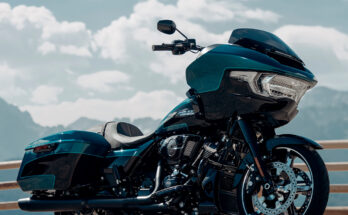
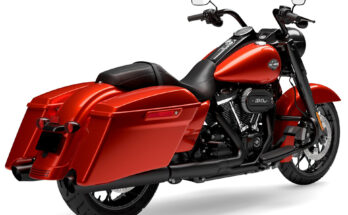
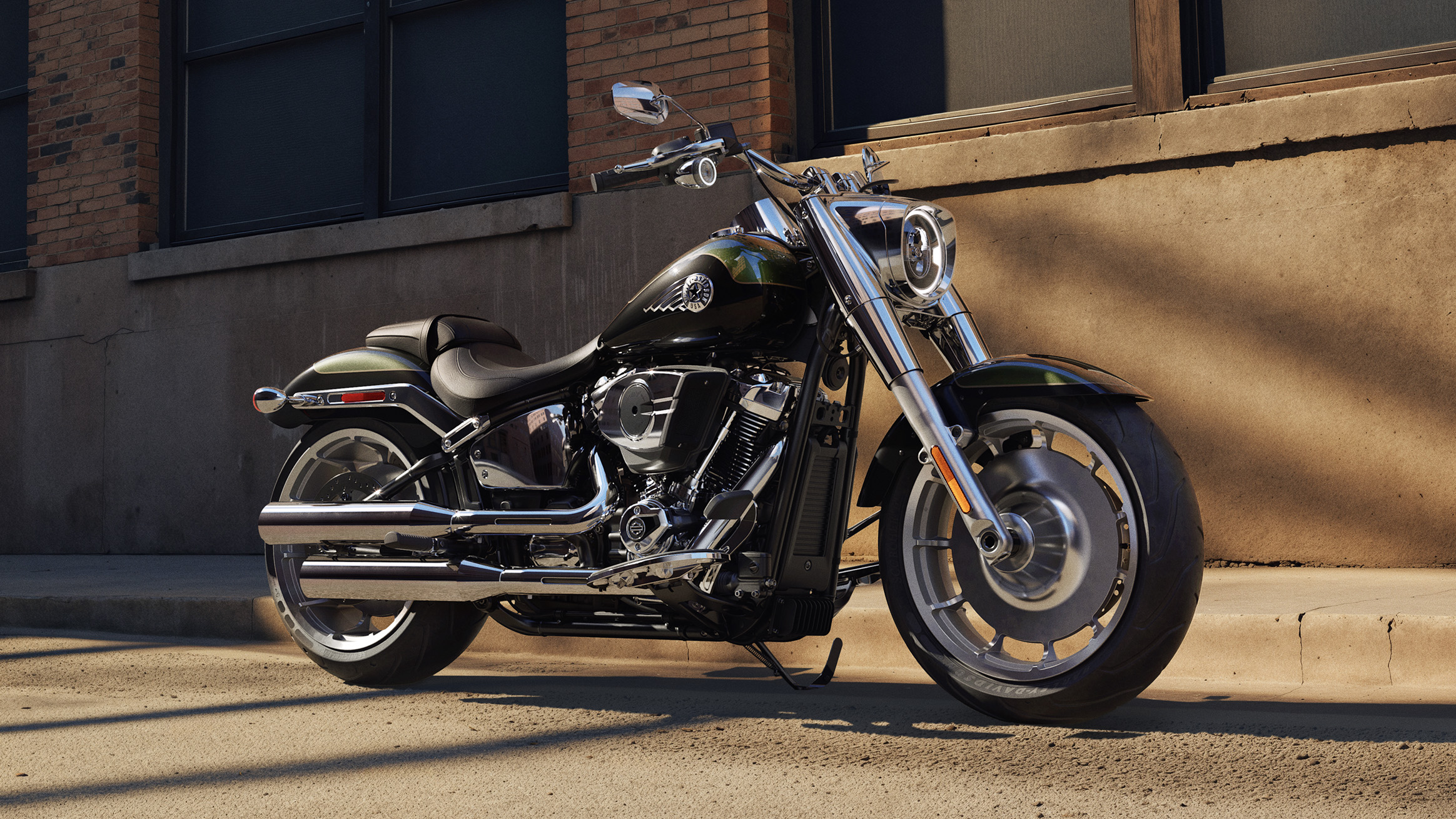
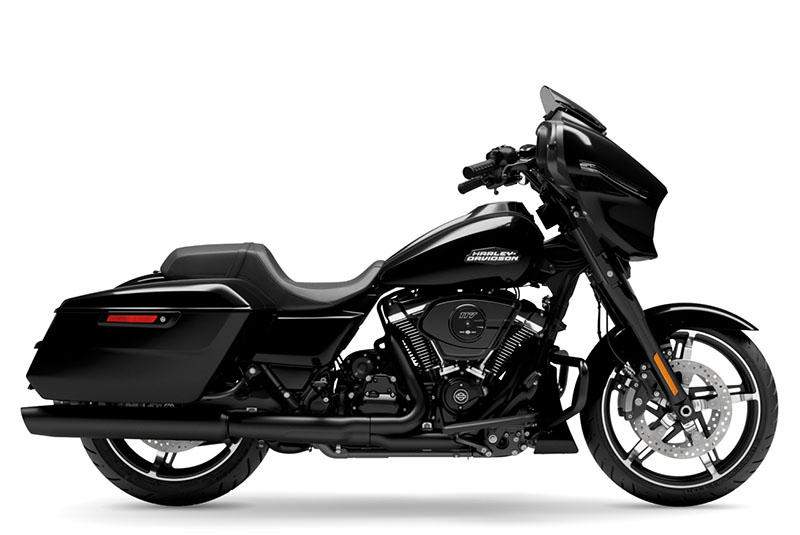
Harley cruisers often lean into muscular minimalism — wide tires, aggressive stance, blacked-out finishes, and bold tank branding. Models like the Fat Boy or Street Glide project attitude immediately.
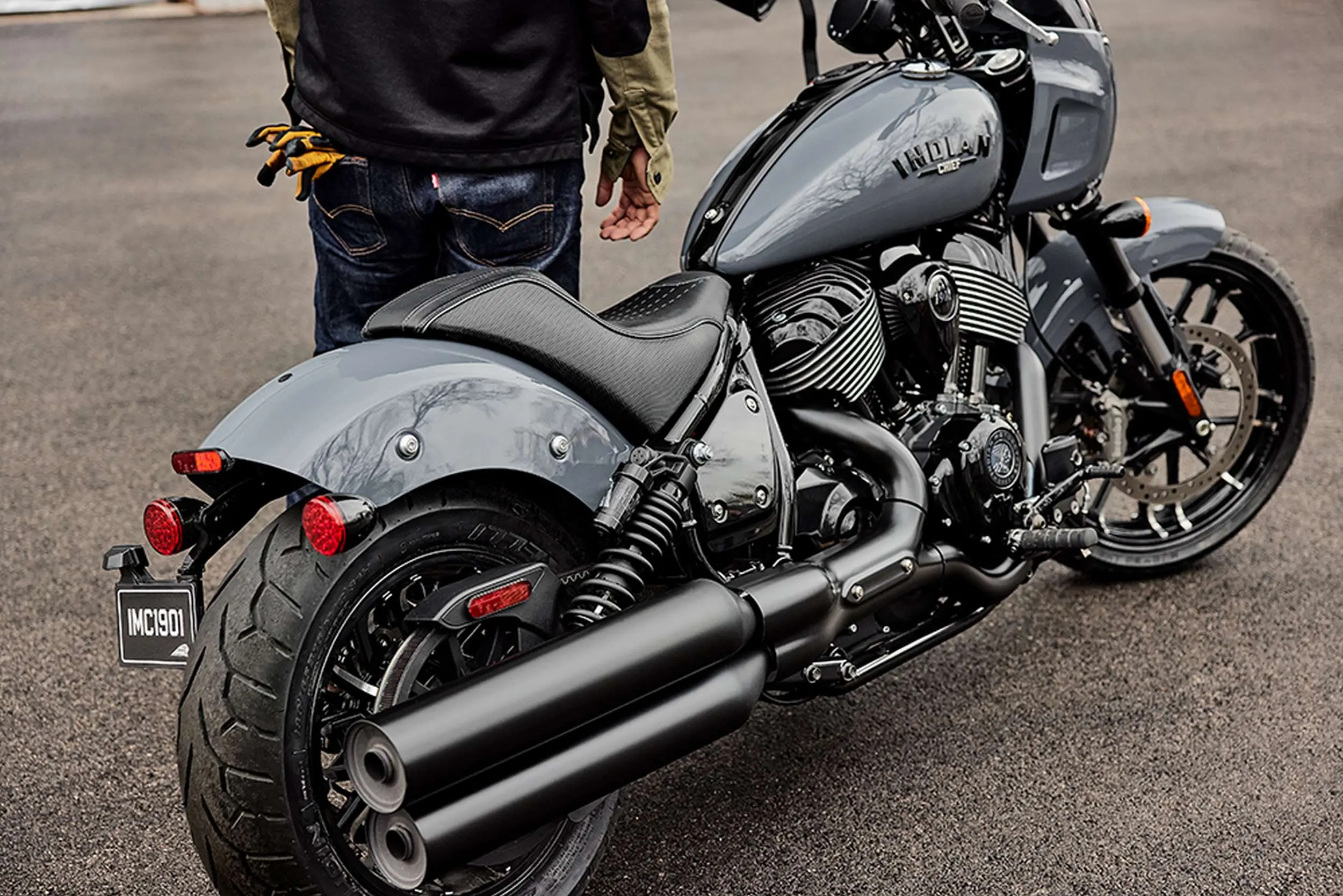
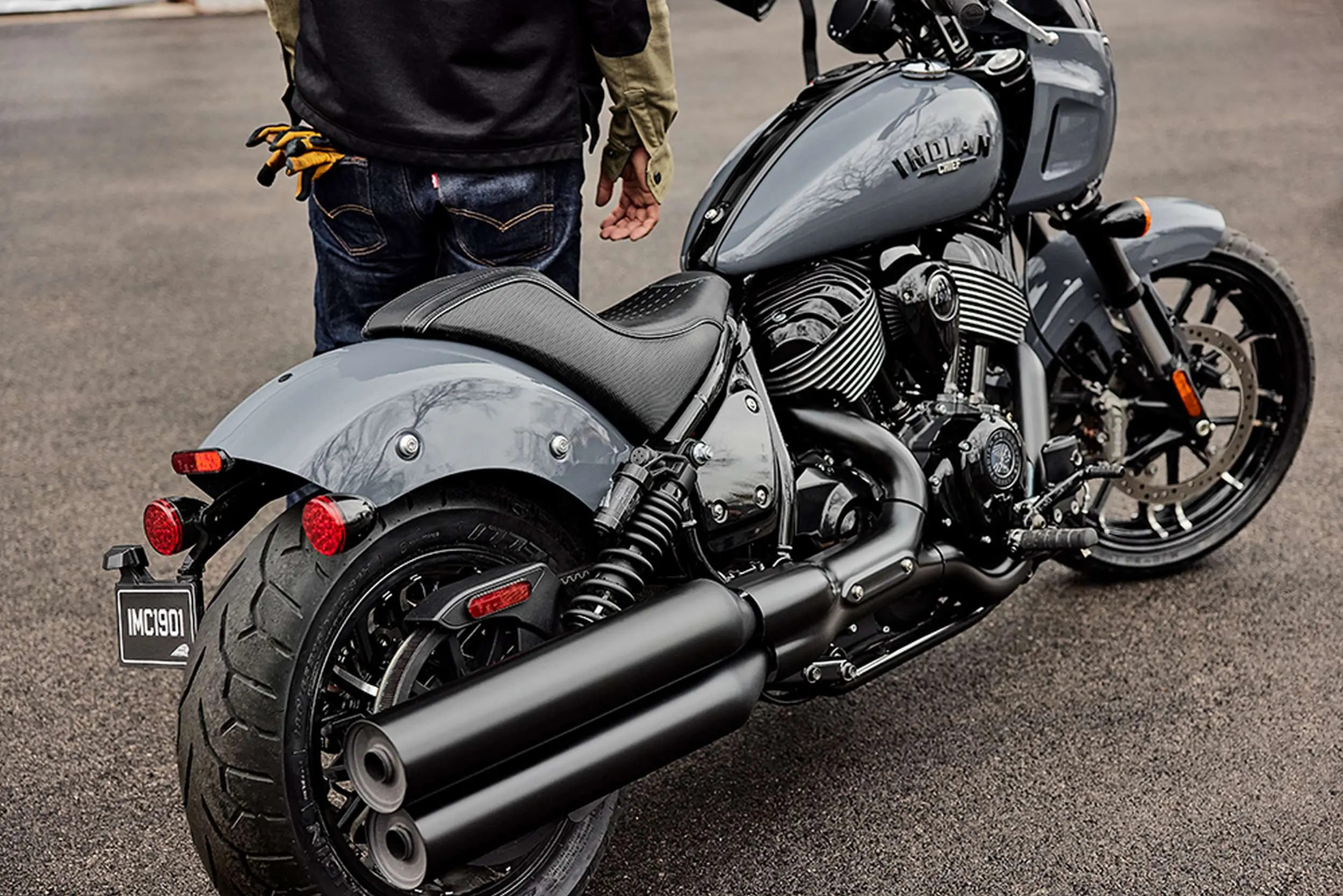
Indian tends to blend heritage curves with modern detailing. Deep valanced fenders, detailed badging, classic paint schemes — there’s a premium, almost nostalgic elegance to many Indian models.
Harley feels rebellious.
Indian feels regal.
Again, neither is better. It depends on what image you want to carry when you roll into a parking lot.
Riding Experience: Highway Personality
On the open road, both brands shine — but in slightly different ways.
Harley cruisers often deliver that heavy, planted feel. You sit low, stretch forward, and settle into a rhythm. The engine pulses under you, almost like a heartbeat syncing with the highway. It’s immersive.
Indian cruisers feel stable but slightly more refined in suspension tuning and throttle response. Some riders notice smoother corner transitions and more advanced ride modes on certain models.
For long-distance touring, both brands offer serious comfort. Wind protection, infotainment systems, cruise control — they’re competing feature for feature now.
But the emotional feel differs:
Harley feels traditional and visceral.
Indian feels modern and composed.
Customization Culture
This is where Harley has a massive advantage.
Harley’s aftermarket ecosystem is enormous. Decades of custom builders, performance shops, and accessory manufacturers have built an industry around Harley customization.
Want new exhaust? Endless options.
Custom handlebars? Thousands of choices.
Engine upgrades? Entire businesses exist around it.
Indian has growing aftermarket support, but it’s still smaller in comparison. Custom builds are increasing, but Harley’s head start in the customization world is hard to beat.
If personalizing your bike is part of your identity, Harley offers more flexibility — at least for now.
Community and Brand Loyalty


4
Harley’s rider community is legendary. From local chapters to national rallies, it feels like a worldwide network. The brand built a culture that extends beyond motorcycles into clothing, events, and lifestyle branding.
Indian’s community is passionate and growing fast. Because of the brand’s revival story, many riders feel they’re part of something rising — almost like being in on a powerful comeback movement.
Harley has scale and legacy.
Indian has momentum and freshness.
Both inspire loyalty. Just in different ways.
Technology and Innovation
In recent years, Indian has aggressively pushed modern technology — ride modes, touchscreen displays, improved suspension systems, and advanced electronics.
Harley has also modernized, especially with updated touring platforms and newer engine generations. However, Harley tends to balance innovation carefully to preserve its traditional feel.
Some riders appreciate Harley’s slower evolution — it keeps the soul intact.
Others prefer Indian’s quicker adoption of modern tech.
If cutting-edge features matter most, Indian often feels slightly ahead.
If heritage feel matters more, Harley stays true to its roots.
Price and Value
Pricing between the two brands is competitive, especially in mid-to-high-level cruiser categories.
Harley’s brand name sometimes commands a premium. Indian often positions similar bikes at comparable or slightly competitive pricing with strong feature packages included.
Resale value traditionally favors Harley due to its long-standing market dominance. However, Indian resale value has been strengthening steadily as brand trust grows.
Long-term ownership costs — maintenance, parts, insurance — are similar, though Harley’s larger dealer network can sometimes mean easier access to service.
So, Who Truly Owns the Road?
The honest answer?
Neither — and both.
Harley-Davidson owns the road in terms of legacy, cultural dominance, and global recognition. When people picture a classic American cruiser, they often imagine a Harley first.
Indian owns the road in terms of resurgence, refinement, and modern competitive energy. It challenges expectations and forces innovation.
Ownership of the road isn’t about sales numbers alone. It’s about how a bike makes you feel when you twist the throttle and disappear into the horizon.
For some riders, that feeling only comes from a Harley’s rumble.
For others, it comes from Indian’s confident power and heritage revival.
Final Thoughts
The Harley vs Indian debate isn’t about proving one brand superior. It’s about identity.
Do you connect with raw tradition and rebellious spirit?
Or with refined strength and historic revival?
Both brands build serious cruisers. Both deliver torque-rich engines, highway comfort, and undeniable presence.
At the end of the day, the road doesn’t care about logos.
It cares about the rider.
And whichever machine makes you want to ride farther, longer, and more often — that’s the one that truly owns the road for you.