Buying your first motorcycle is exciting. It’s also overwhelming.
You scroll through listings. Watch YouTube reviews. Compare specs. Ask friends. Everyone gives different advice. Some say “Start small.” Others say “Buy what you love.” A few will tell you horror stories about beginner mistakes.
In 2026, the motorcycle market is bigger than ever. Gas bikes. Electric bikes. Cruisers. Sport bikes. Adventure machines. Smart motorcycles with tech features that didn’t even exist ten years ago.
So how do you choose your first motorcycle without regret?
This guide breaks it down step by step — in simple, practical terms — so you can make a confident decision.
Step 1: Be Honest About Why You Want to Ride
Before looking at engine size or brand, ask yourself:
- Are you commuting daily?
- Planning weekend highway rides?
- Interested in long-distance touring?
- Just want short city fun?
- Thinking about electric for low maintenance?
Your purpose determines your bike category.
Buying a high-speed sport bike for daily traffic? Frustrating.
Buying a heavy touring cruiser for short urban rides? Overkill.
Clarity prevents expensive mistakes.
Step 2: Understand Motorcycle Categories


4
Here’s a simplified breakdown of beginner-friendly categories in 2026:
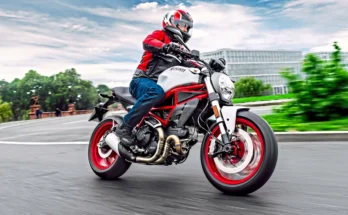
🛵 Standard / Naked Bikes
- Upright seating
- Balanced performance
- Easy handling
✔ Great all-around beginner choice
🏍️ Cruiser Bikes
- Low seat height
- Relaxed riding position
- Comfortable for shorter riders
✔ Ideal for laid-back riding style
🏁 Sport Bikes (Entry-Level Only)
- More aggressive posture
- Lighter weight
✔ Choose smaller engine sizes as a beginner
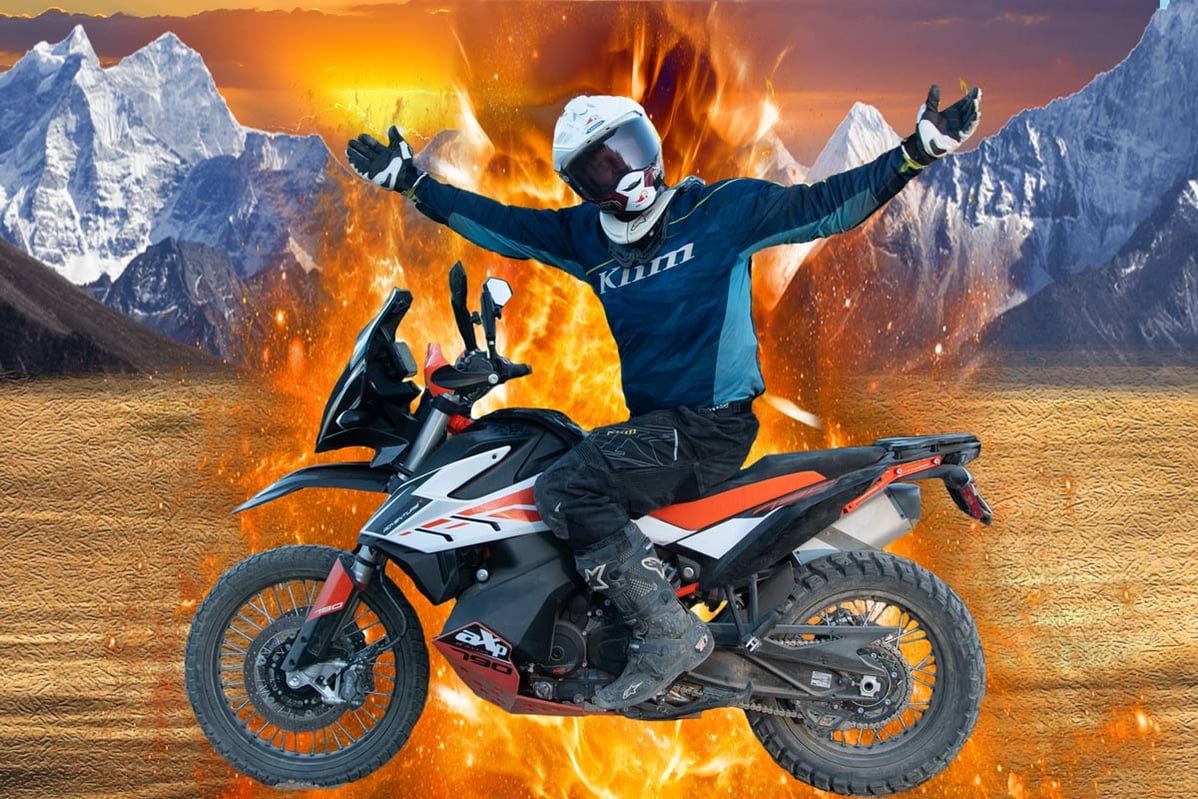
🌍 Adventure (ADV) Bikes
- Tall stance
- Versatile for mixed terrain
✔ Good if you plan light touring
⚡ Electric Motorcycles
- No clutch
- Instant torque
- Lower maintenance
✔ Excellent for urban beginners
Your comfort matters more than looks at this stage.
Step 3: Choose the Right Engine Size
This is where beginners often go wrong.
Bigger doesn’t mean better.
Recommended Beginner Engine Sizes (Gas)
- 300cc – 500cc → Ideal beginner range
- 500cc – 650cc → Manageable if mature and cautious
- 700cc+ → Usually too powerful for first-time riders
You want something forgiving — not intimidating.
For Electric Bikes
Electric bikes don’t use cc ratings. Instead, focus on:
- Power output (kW)
- Ride modes
- Throttle smoothness
Many electric bikes allow beginner-friendly ride modes that limit acceleration.
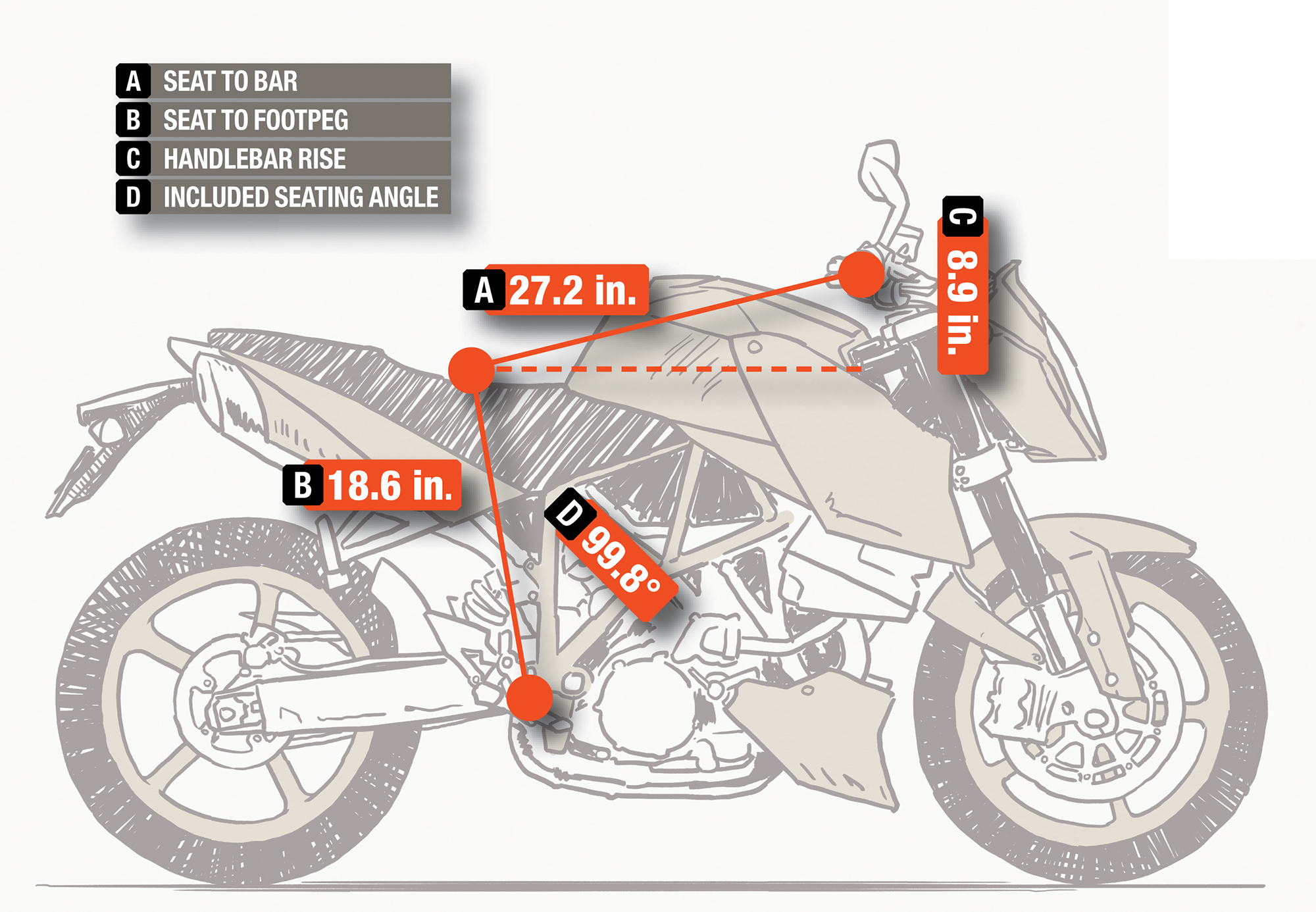
Step 4: Seat Height & Comfort Matter More Than Style


4
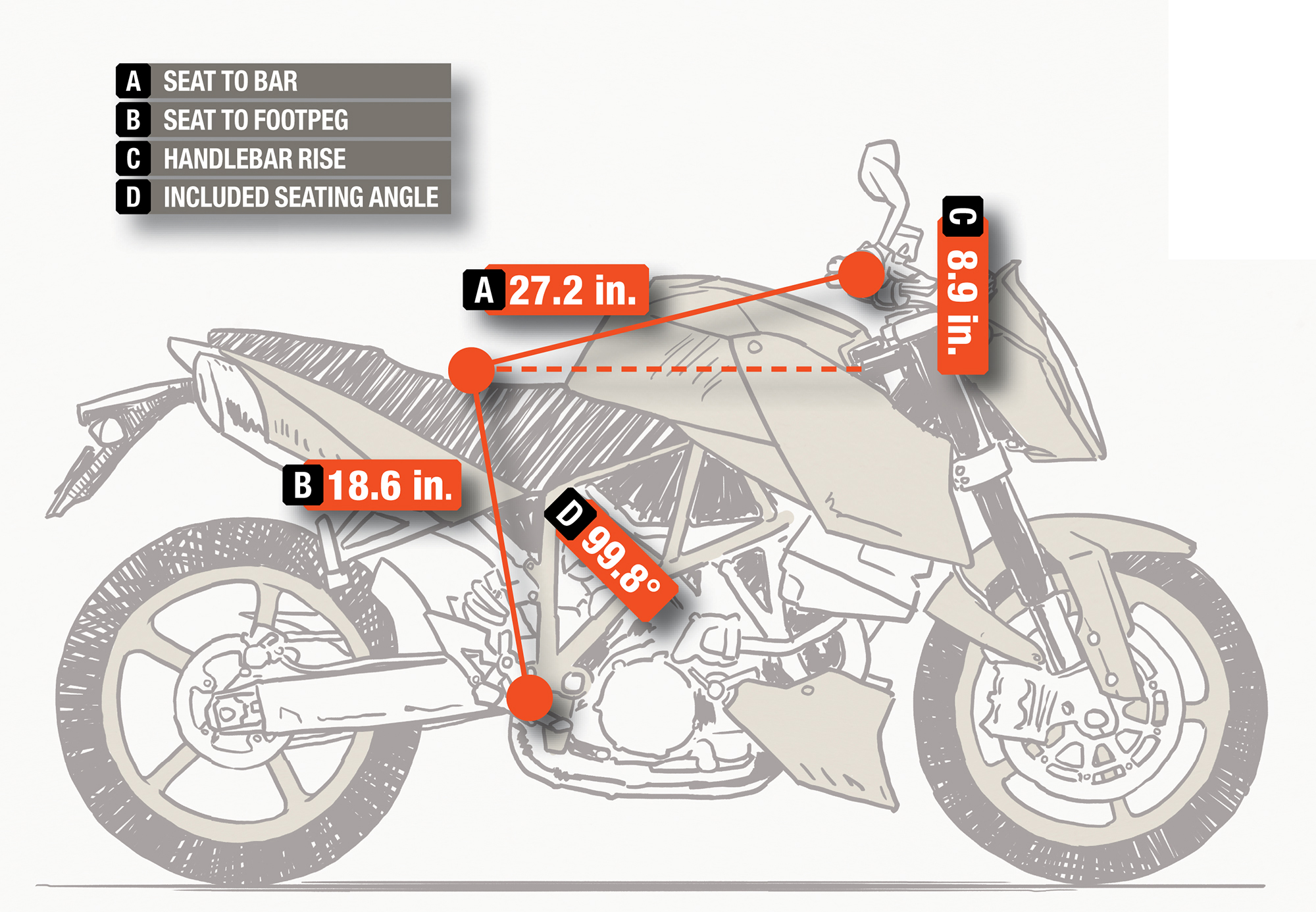
One of the most overlooked beginner mistakes is ignoring seat height.
You should be able to:
✔ Place at least one full foot flat on the ground
✔ Feel stable when stopped
✔ Sit without stretching or leaning excessively
If you feel nervous just sitting on it in a showroom, imagine traffic lights in real life.
Confidence at low speeds is critical.
Step 5: New vs Used — What’s Smarter for Beginners?
🆕 Buying New
Pros:
- Warranty
- No hidden issues
- Latest safety tech
Cons:
- Higher cost
- Faster depreciation
🛠️ Buying Used
Pros:
- Lower purchase price
- Slower depreciation
- Good for learning (minor drops hurt less emotionally)
Cons:
- Potential hidden mechanical issues
For many beginners, a well-maintained used motorcycle is a smart starting point.
Just get it inspected by a mechanic before purchase.
Step 6: Budget Beyond the Bike
Your first motorcycle purchase includes more than just the bike.
Here’s what beginners forget:
| Expense | Estimated Cost |
|---|---|
| Helmet | $150 – $500 |
| Jacket | $150 – $600 |
| Gloves | $30 – $150 |
| Boots | $100 – $300 |
| Insurance | Varies |
| Registration | Varies |
Never skip proper riding gear to afford a bigger bike.
Protection > engine size.
Step 7: Safety Features to Look For in 2026
Modern motorcycles now include smart features that help beginners.
Look for:
✔ ABS (Anti-lock Braking System)
✔ Traction control
✔ Ride modes (Rain / Street)
✔ Slipper clutch
✔ Cornering ABS (optional but excellent)
These features increase confidence and reduce beginner mistakes.
Step 8: Weight & Maneuverability
Weight matters more than horsepower for beginners.
Heavier bikes:
- Harder to balance at low speed
- More difficult to pick up if dropped
- More intimidating in parking lots
Try pushing the bike slightly while seated. If it feels too heavy, it probably is.
Lightweight bikes build skills faster.
Step 9: Insurance Reality Check
Insurance can surprise first-time riders.
Sport bikes often cost more to insure than:
- Standard bikes
- Cruisers
- Smaller engine models
Before purchasing, get insurance quotes.
Sometimes a cheaper bike becomes expensive after insurance.
Step 10: Avoid Ego Buying
Here’s hard truth.
Many beginners choose based on:
- Looks
- Peer pressure
- Instagram aesthetics
But your first bike isn’t your forever bike.
It’s your learning machine.
Choose something that:
✔ Builds skill
✔ Feels forgiving
✔ Encourages practice
✔ Doesn’t scare you
Confidence grows skill. Skill leads to better future upgrades.
Electric vs Gas for First-Time Riders
Let’s briefly compare.
⚡ Electric Advantages:
- No clutch learning
- Smooth acceleration
- Low maintenance
- Easy urban riding
⛽ Gas Advantages:
- Wider availability
- Lower purchase price (in many cases)
- Longer range
- Traditional riding feel
If you’re commuting in the city and want simplicity, electric is excellent.
If you want traditional riding skill development (clutch, shifting), gas bikes teach fundamentals.
Both are valid choices in 2026.
Test Ride Before You Decide
Never buy a motorcycle without sitting on it.
Even better:
- Take a test ride
- Enroll in a beginner riding course
- Try multiple models
A bike that looks perfect online may feel uncomfortable in reality.
Comfort > hype.
Common Beginner Mistakes to Avoid
❌ Buying too powerful
❌ Ignoring gear budget
❌ Skipping training courses
❌ Focusing only on top speed
❌ Overlooking insurance cost
❌ Not considering resale value
Avoiding these mistakes saves money and stress.
A Simple Beginner Formula
If you want a simple rule for your first motorcycle in 2026:
✔ 300–500cc (or moderate electric equivalent)
✔ Lightweight and manageable
✔ ABS included
✔ Comfortable seat height
✔ Within full budget (gear included)
Master this bike for 1–2 years.
Then upgrade.
Final Thoughts
Choosing your first motorcycle isn’t about impressing others.
It’s about building skill, confidence, and long-term enjoyment.
The right beginner motorcycle should:
- Feel manageable
- Encourage practice
- Forgive mistakes
- Make you want to ride again tomorrow
In 2026, options are better than ever — gas or electric, classic or modern.
Just remember:
Your first bike teaches you how to ride.
Your second bike reflects who you’ve become as a rider.
Choose wisely — and enjoy every mile. 🏍️