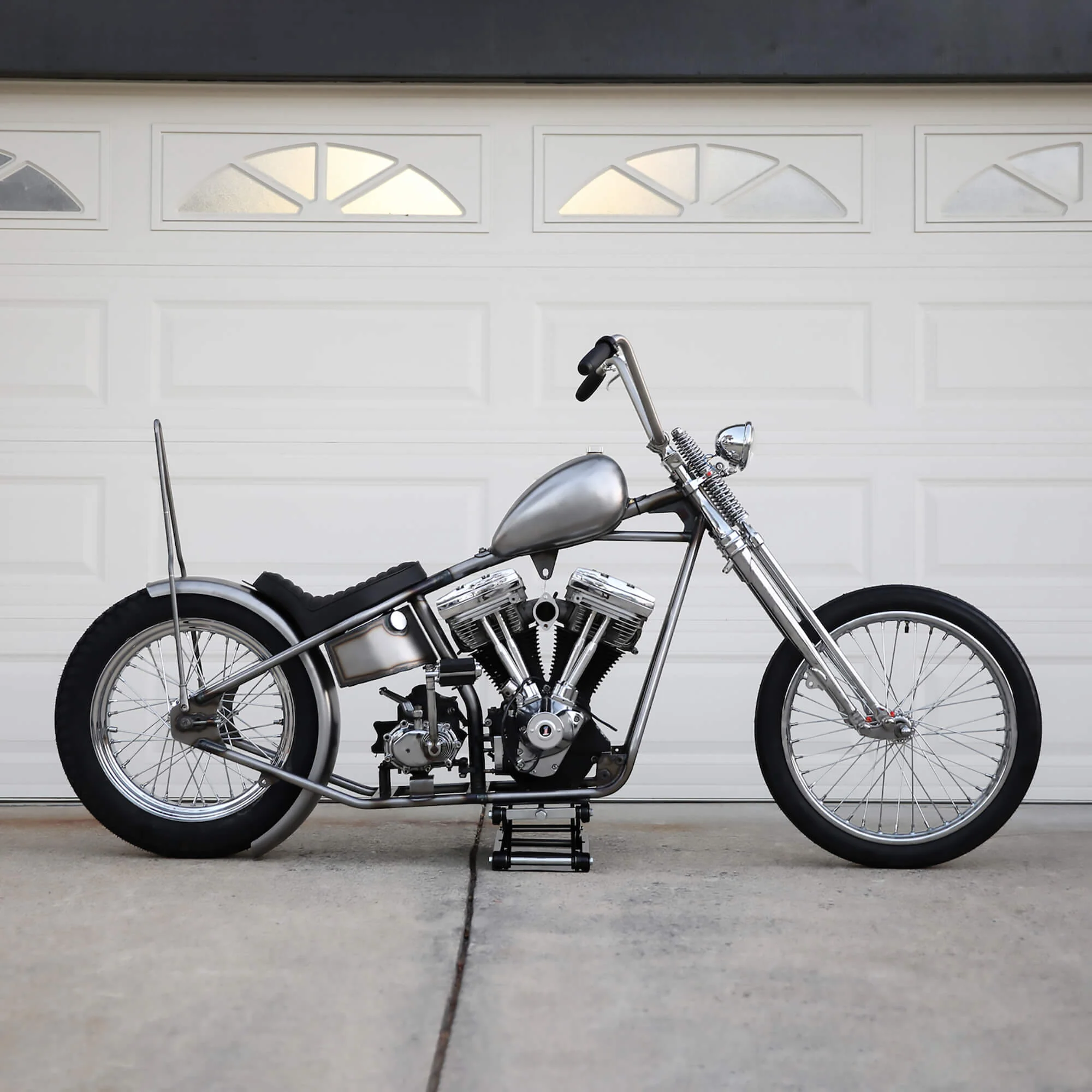
There’s something timeless about an old-school chopper. Long forks. Minimal bodywork. High handlebars. A raw, stripped-down presence that feels rebellious without trying too hard.
For many riders of Harley-Davidson, building a chopper isn’t about trends — it’s about attitude. It’s about taking a stock machine and transforming it into something personal, mechanical, and unapologetically bold.
If you’ve ever looked at a stretched-out Harley with chrome glistening in the sun and thought, “That’s the look I want,” this guide will walk you step-by-step through creating a true old-school chopper style — without losing the soul of your bike.
1. Start with the Right Base Bike


4
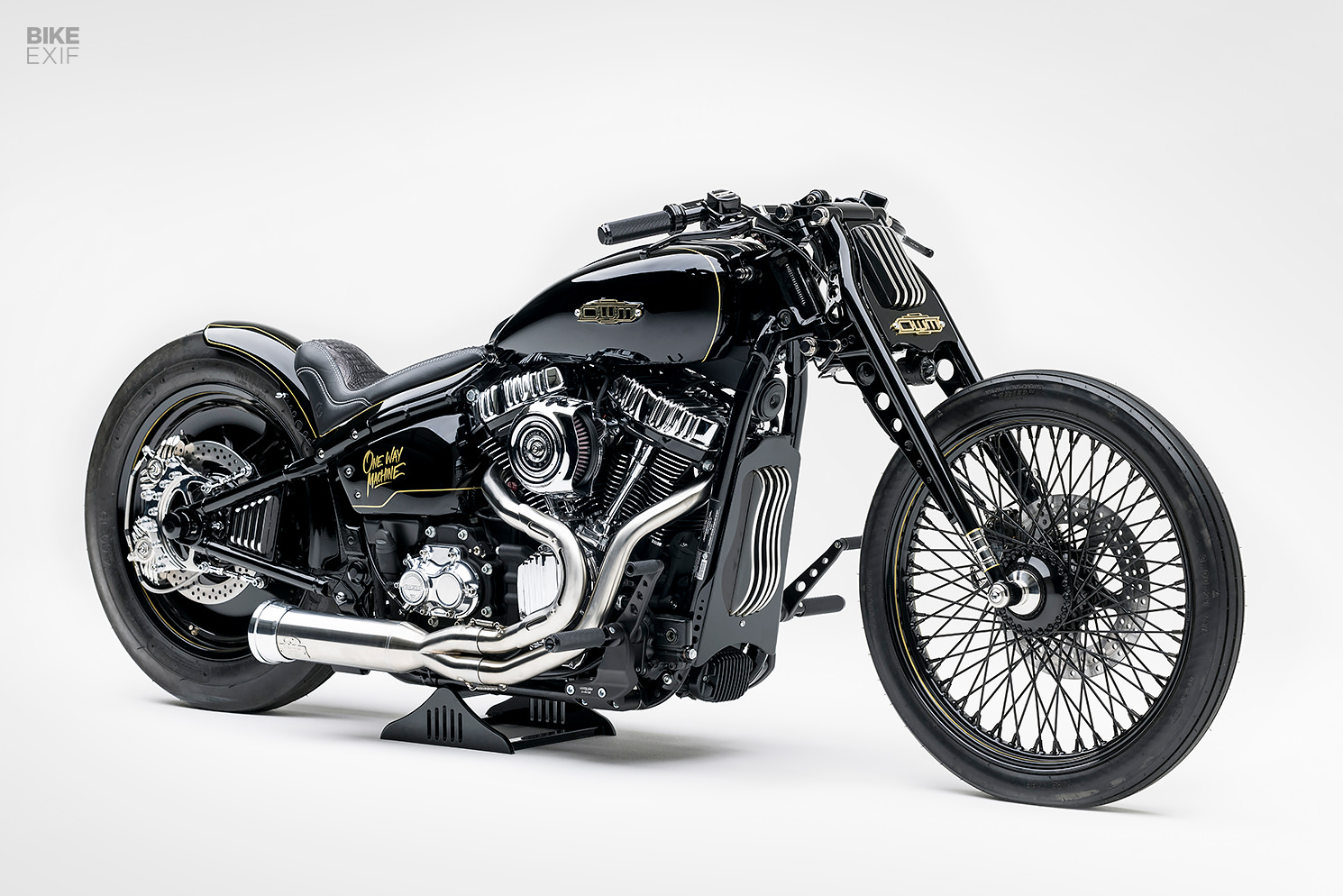
Not every Harley platform builds the same way.
Traditionally, older Sportsters, Softails, and Dynas are popular foundations for chopper builds. Why?
- Simple frame geometry
- Strong aftermarket support
- Easier engine accessibility
- Proven reliability
If you’re serious about the old-school vibe, air-cooled models often carry that classic mechanical feel better than ultra-modern platforms.
Before you buy parts, decide your direction:
- Long-fork 70s style?
- Minimal bobber-inspired chopper?
- Chrome-heavy show build?
Clear vision saves money later.
2. Stretch the Front End (The Chopper Signature)
4
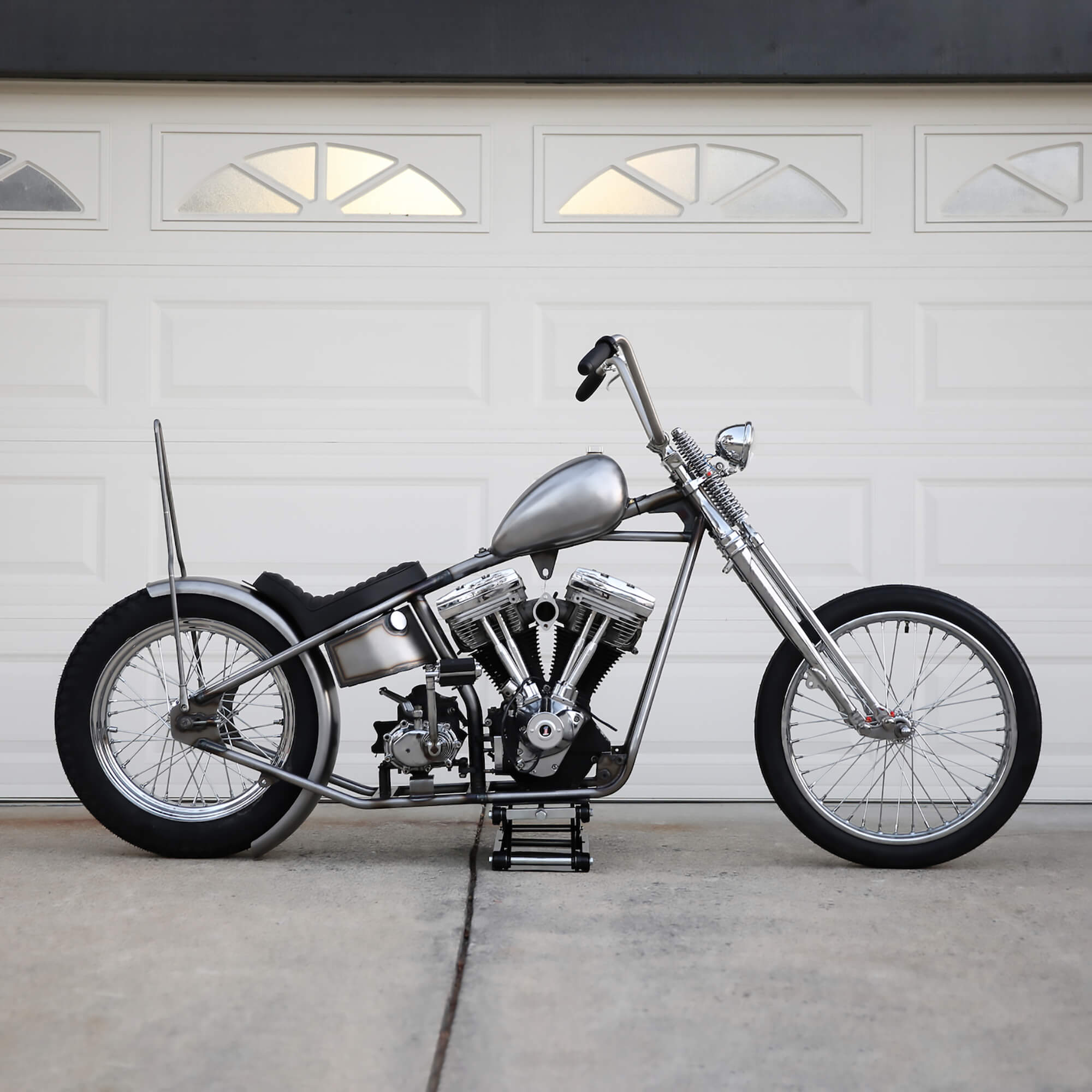
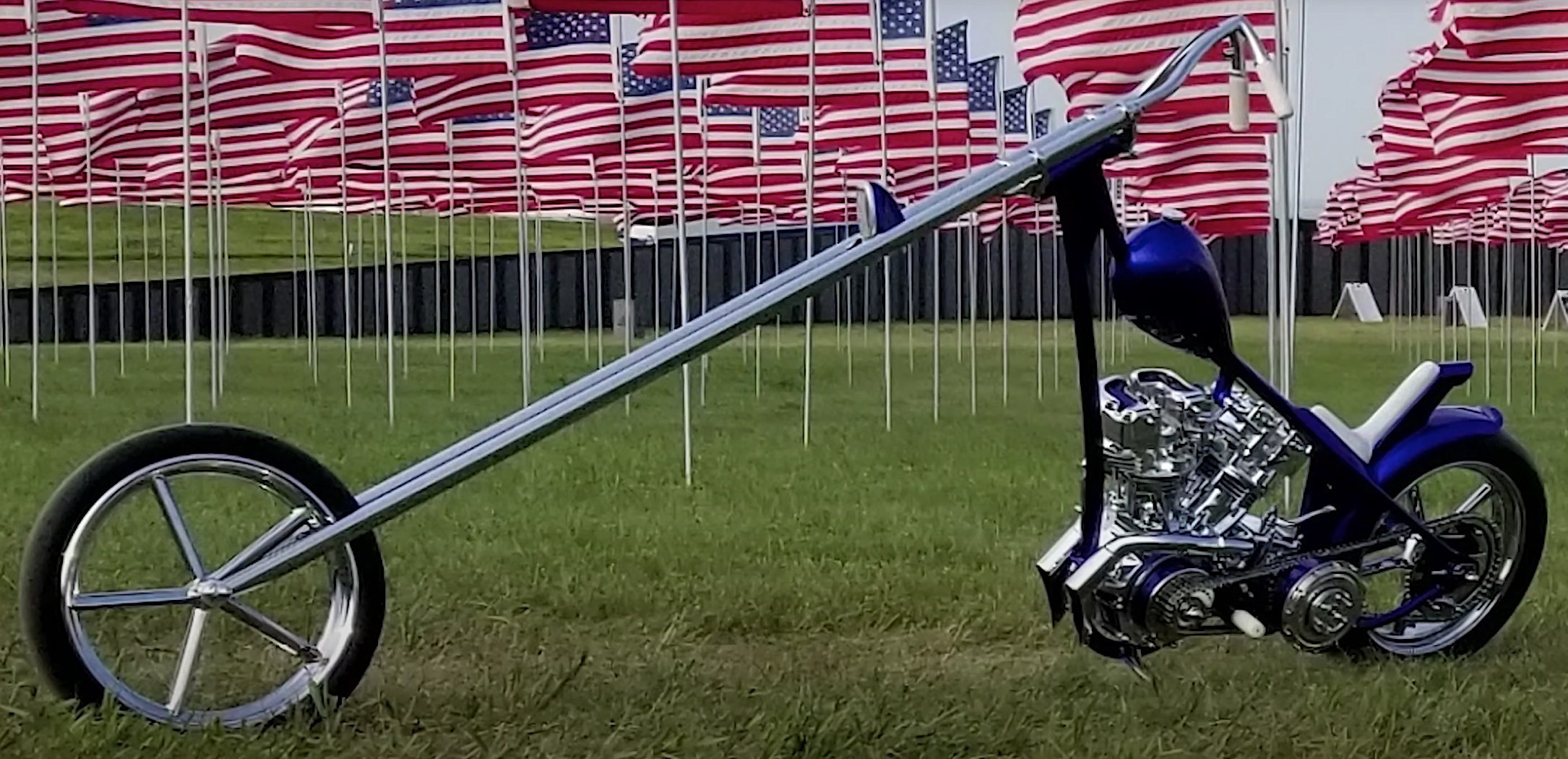
Nothing says “chopper” like a stretched front end.
This can be done through:
- Extended fork tubes
- Raked triple trees
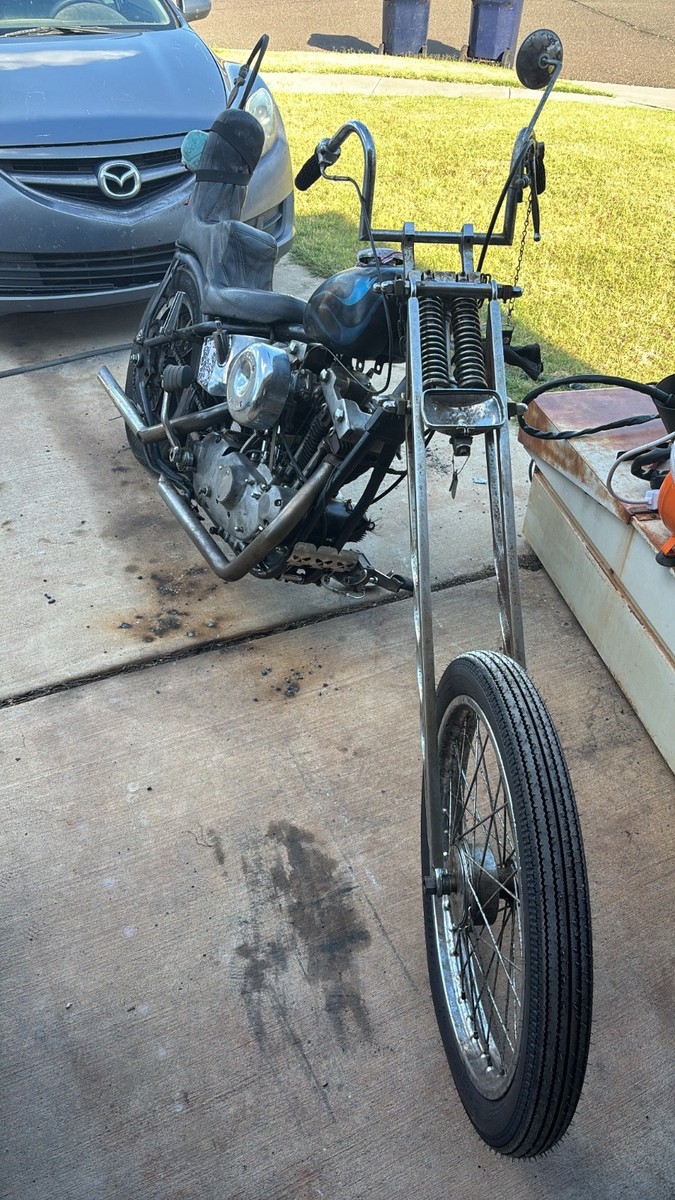
- Springer front ends (for vintage authenticity)
A springer fork instantly pushes your build into classic territory. It’s raw, mechanical, and visually aggressive.
But remember: stretching affects handling.
Longer forks change rake angle and trail, which impacts turning response. If you plan to ride regularly (not just show the bike), balance style with rideability.
3. High Handlebars (Ape Hangers)


4
Ape hangers are a staple of old-school choppers.
They:
- Raise your riding posture
- Add dramatic silhouette
- Increase visual height
Choose a height that keeps your hands near shoulder level for comfort and control. Too high may look extreme but can become tiring on longer rides.
Cable extensions and brake line adjustments will likely be required — factor that into your budget.
4. Strip It Down: Less Is More
Old-school choppers were born in garages, not factories. Builders removed anything unnecessary.
Consider removing:
- Large front fenders
- Excessive chrome covers
- Bulky turn signals
- Stock seat setups
Minimal rear fenders (or even trimmed ones) enhance that lean, aggressive look.
The goal isn’t clutter. It’s mechanical exposure.
Let the engine breathe visually.
5. Custom Tank and Paint


4
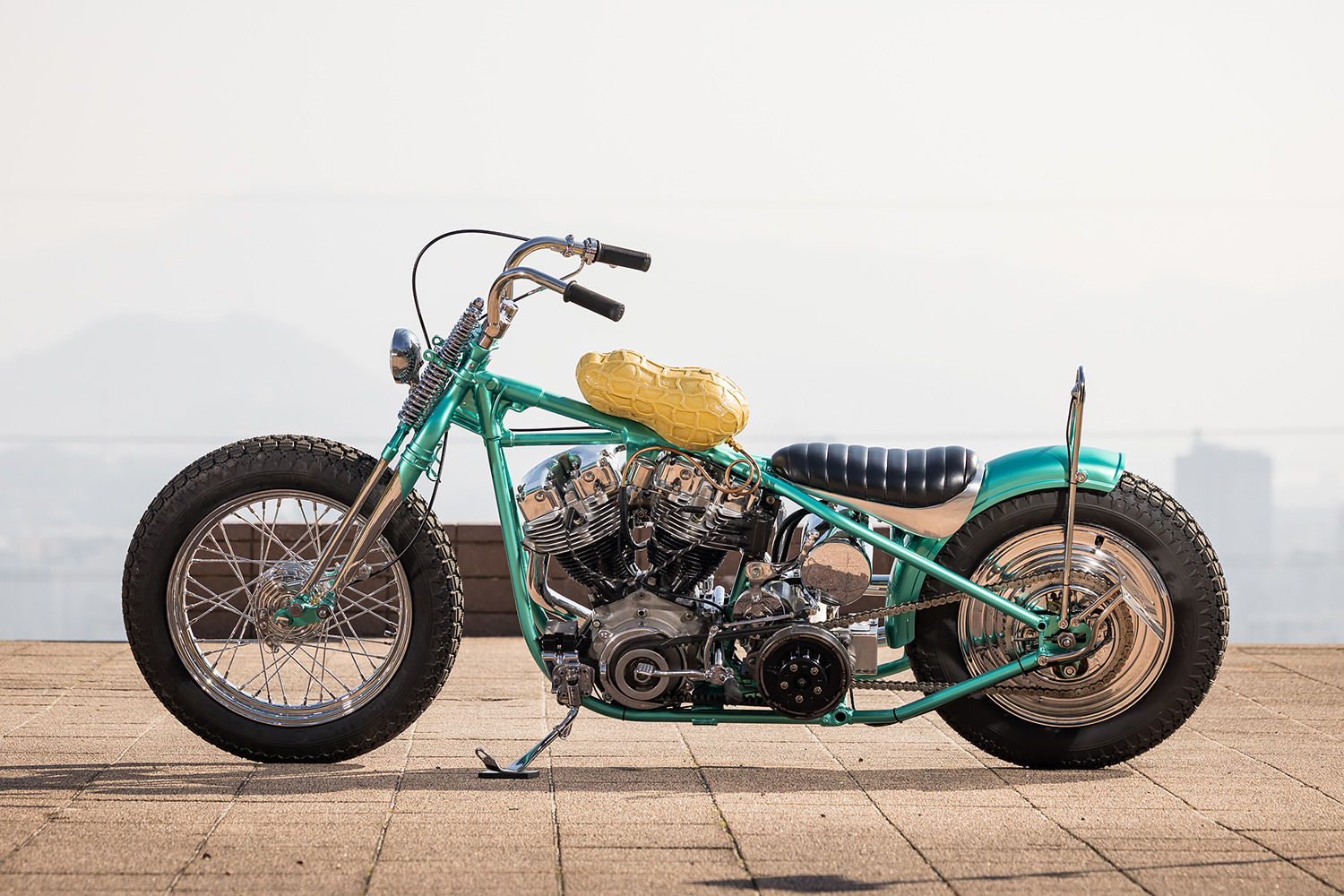
The fuel tank is your canvas.
Peanut tanks are classic chopper territory. Smaller, rounded, and visually compact — they exaggerate the stretched front end.
Paint defines personality:
- Metal flake finishes
- Candy colors
- 70s flame graphics
- Pinstriping
- Deep metallic blues or reds
Old-school choppers weren’t subtle. They were expressive.
A professional paint job can transform an average build into something unforgettable.
6. Solo Seat Setup

4
Two-up seats don’t usually fit the chopper narrative.
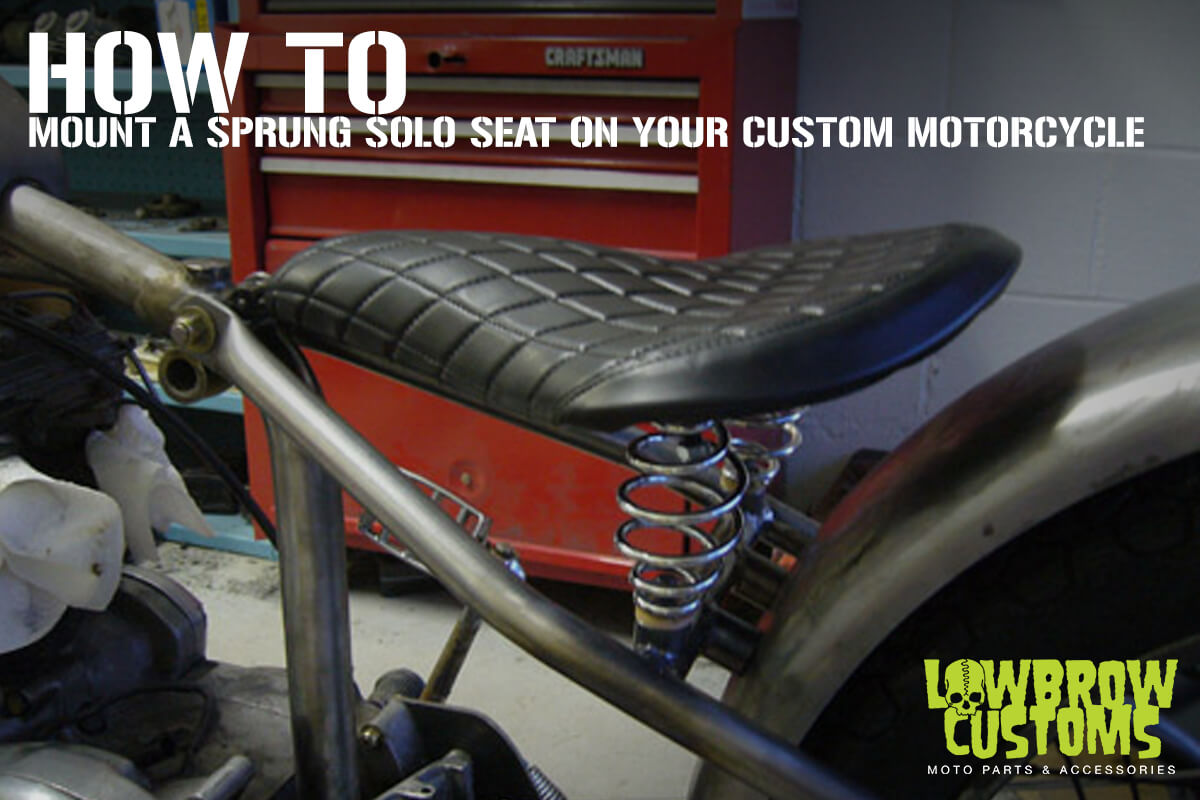
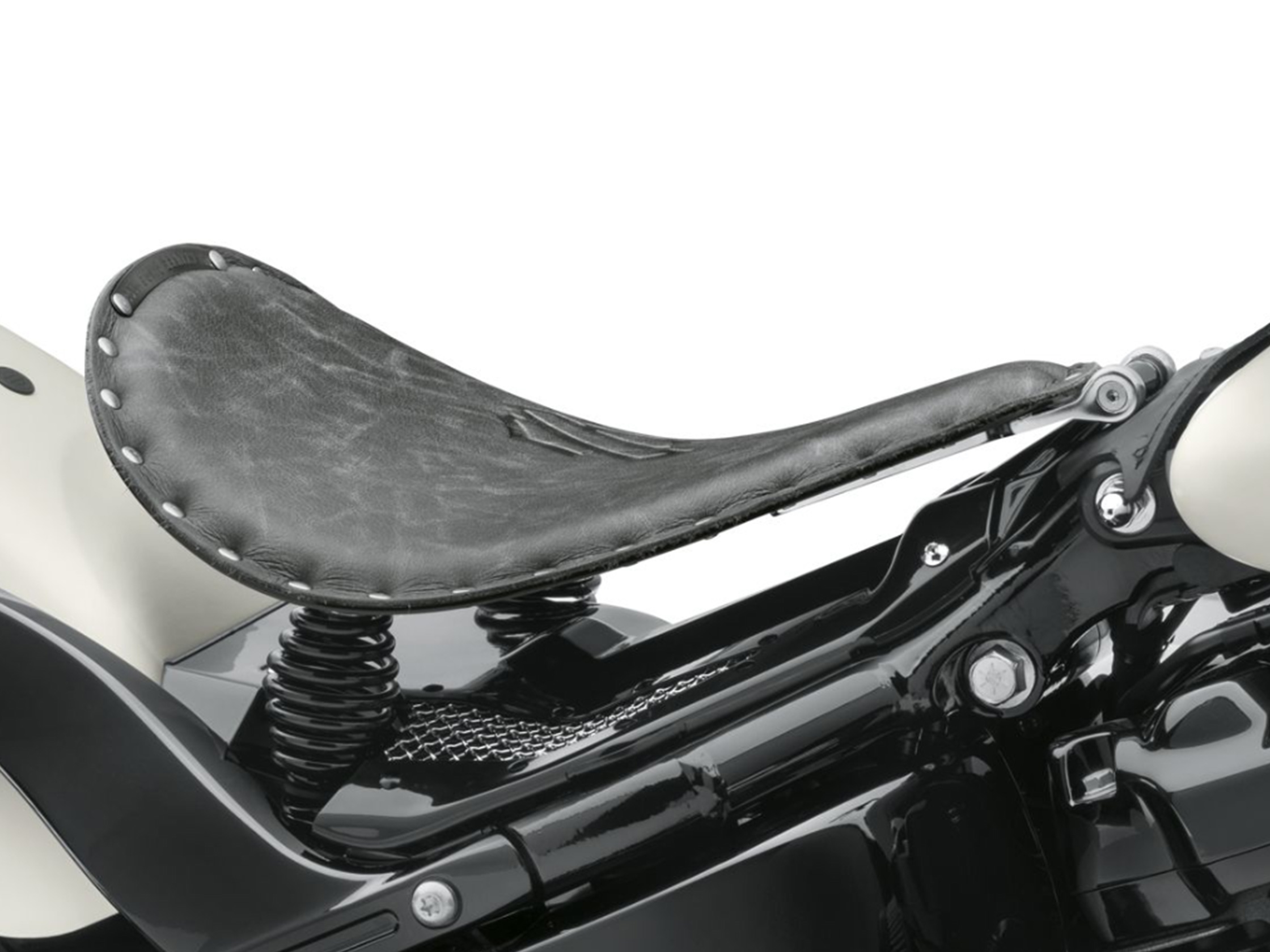
A solo seat — especially a spring-mounted leather seat — adds vintage authenticity.
It keeps the bike visually open and reinforces the stripped-down philosophy.
Plus, it sends a subtle message:
This machine was built for the rider — not passengers.
7. Exhaust That Talks
Choppers aren’t quiet.
Long straight pipes or upswept fishtail exhausts were common in vintage builds. The sound should feel deep and unapologetic.
Before installing open pipes, check local noise regulations. Some areas enforce strict limits.
Performance-wise, proper tuning after exhaust changes is important. Don’t sacrifice engine health for sound alone.
The goal is balance — bold but functional.
8. Wheels and Tires
Spoked wheels are traditional chopper territory.
Whitewall tires can add an old-school 60s vibe. Thinner front tires and slightly wider rear tires often enhance that stretched aesthetic.
Black rims create a modern-meets-vintage blend. Chrome spokes push it full retro.
Your wheel choice changes the personality dramatically — choose carefully.
9. Foot Controls and Riding Position
Forward controls are common on choppers. They stretch your legs out and create a relaxed highway stance.
This contributes to:
- Comfort
- Classic cruiser ergonomics
- That unmistakable silhouette
Mid-controls feel sportier but can interrupt the traditional chopper look.
10. Keep the Engine Honest
Old-school choppers weren’t overloaded with electronics.
Keep the engine visually clean:
- Polish the covers
- Black out selected components
- Clean wiring lines
- Avoid unnecessary plastic add-ons
Some builders go further — upgrading cams or carburetors for a stronger mechanical presence.
But remember: performance upgrades should match your riding style. A chopper is about feel — not racing.
Budget Reality Check
Chopper builds can range from affordable weekend projects to full-frame custom investments.
Basic cosmetic modifications:
$2,000–$5,000
Full custom build (forks, paint, wheels, fabrication):
$8,000–$20,000+
Plan carefully. Buy parts gradually. Avoid rushing.
The best choppers evolve over time.
Safety and Legal Considerations
Before finalizing your build:
- Check local laws on handlebar height
- Confirm lighting compliance
- Ensure turn signals meet requirements
- Maintain proper brake performance
Style should never compromise safety.
A true old-school chopper looks wild — but rides responsibly.
The Mindset Behind the Build
Here’s the part many people forget:
An old-school chopper isn’t about copying someone else’s bike.
It’s about building something that reflects your personality.
Garage time matters. Learning your machine matters. Adjusting and refining over months matters.
That’s what gives a chopper character.
When someone asks, “Who built it?” — and you can say, “I did,” that’s when the project becomes meaningful.
Final Thoughts
Customizing your Harley for a true old-school chopper look isn’t about perfection. It’s about expression.
Stretch the front.
Raise the bars.
Strip it down.
Let it breathe.
Whether you’re working with a Sportster or Softail, the spirit stays the same: freedom through individuality.
Because in the end, a real chopper doesn’t just turn heads.
It tells your story — one mile at a time.