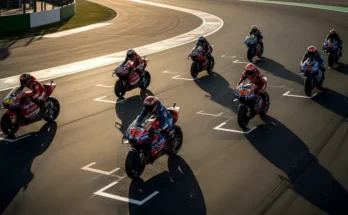
Superbikes have always represented the absolute edge of two-wheeled performance. In every era, they’ve been loud, fast, aggressive — and slightly intimidating.
But the way they deliver that performance has changed dramatically.
The superbikes of the 1990s were raw, mechanical beasts. No electronic safety nets. No ride modes. No traction control. Just throttle, skill, and courage.
Fast forward to 2026, and today’s superbikes are rolling supercomputers — packed with AI-assisted electronics, cornering ABS, launch control, adaptive suspension, and rider data analytics.
So how did we get here?
Let’s take a deep dive into the evolution of superbikes — from analog monsters to smart machines.
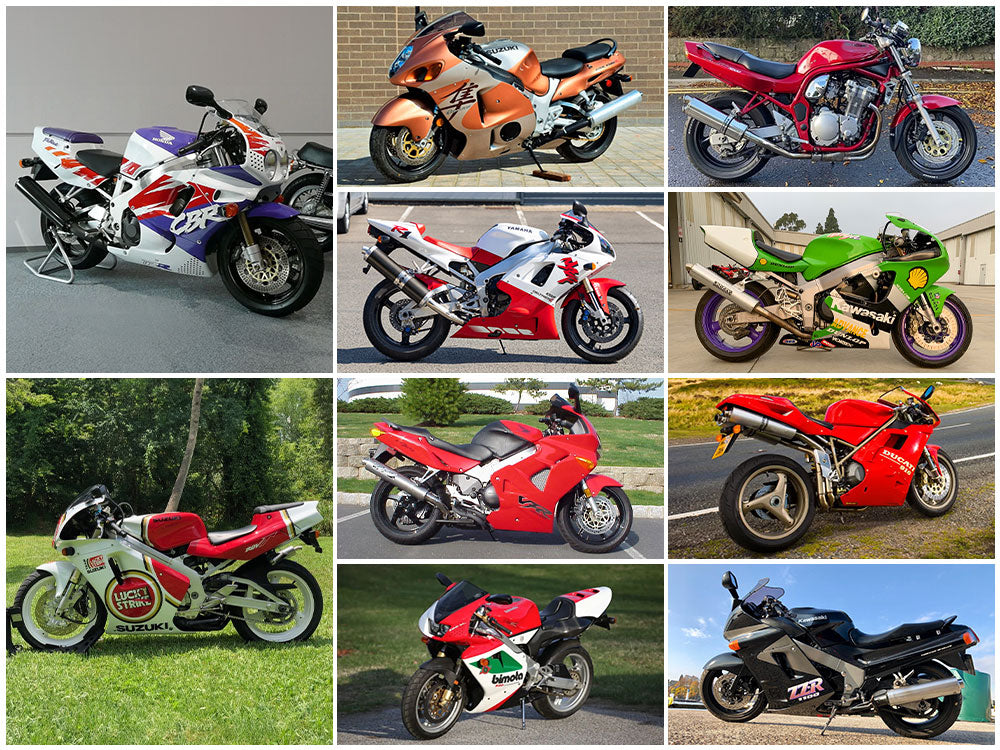
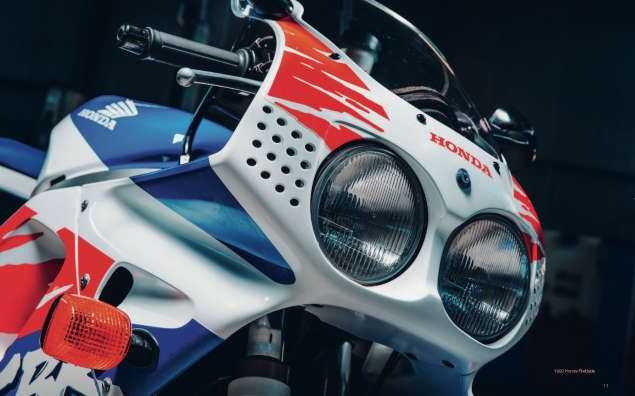
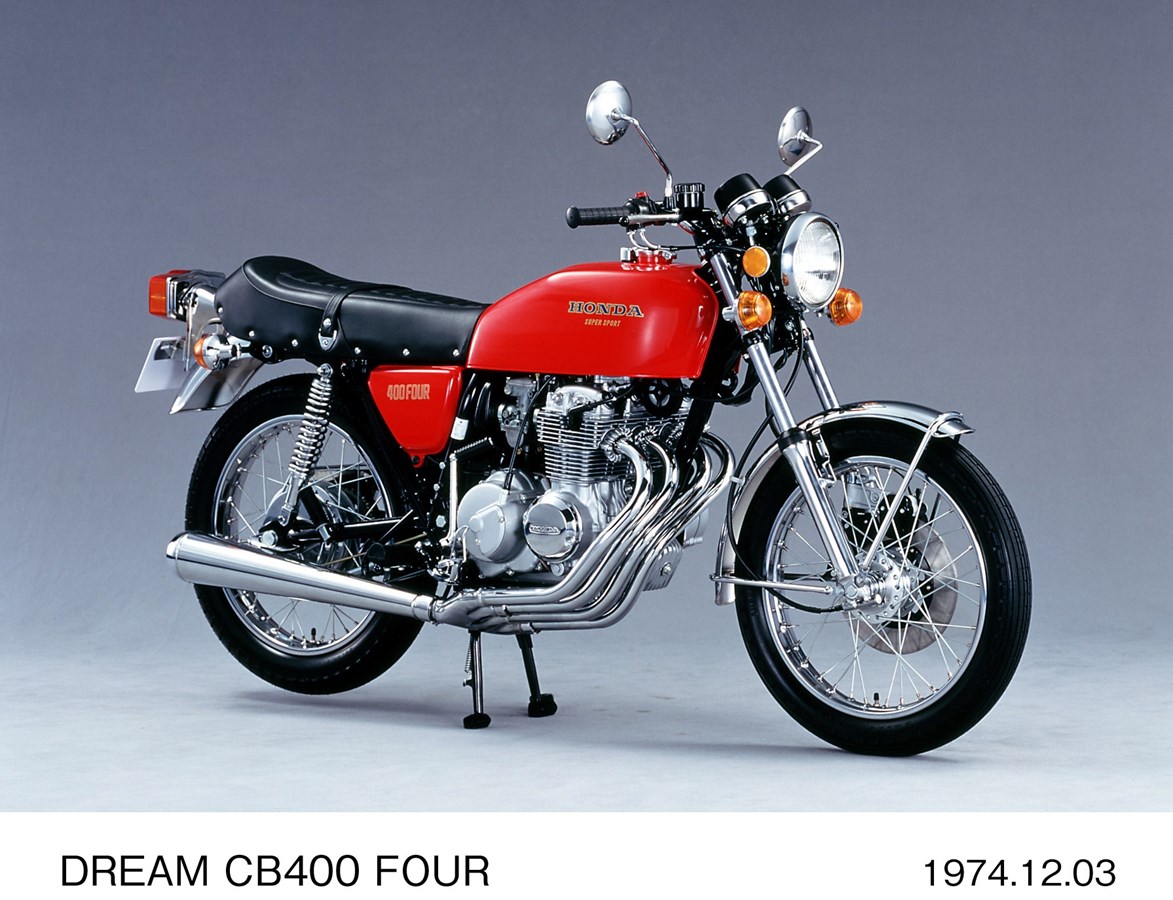
🏁 The 1990s: The Raw Analog Era
4
The 1990s were defined by pure mechanical performance.
🔥 What Defined 90s Superbikes?
- Carburetors (in early models)
- Minimal electronics
- Steel or early aluminum frames
- Basic suspension setups
- Analog speedometers and tachometers
These bikes were fast — but unforgiving.
If you applied too much throttle mid-corner?
You paid for it.
If you grabbed the front brake too hard?
You risked a lock-up.
There were no traction control systems to save you.
Riders relied entirely on skill.
This era built legends — and tested limits.
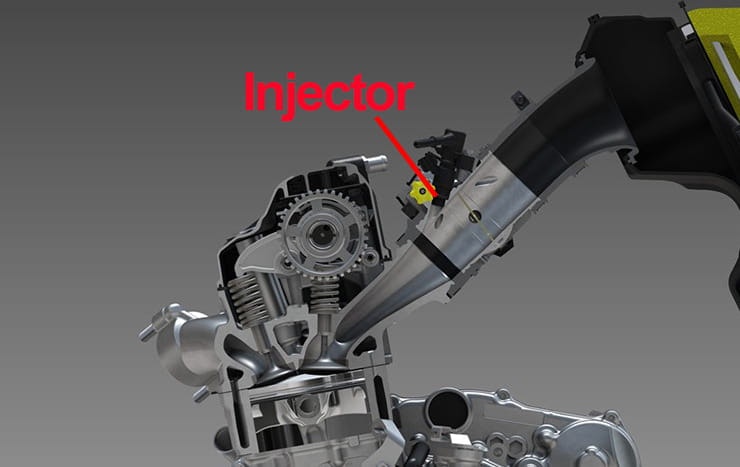
🏎️ Early 2000s: Fuel Injection & Performance Wars

4
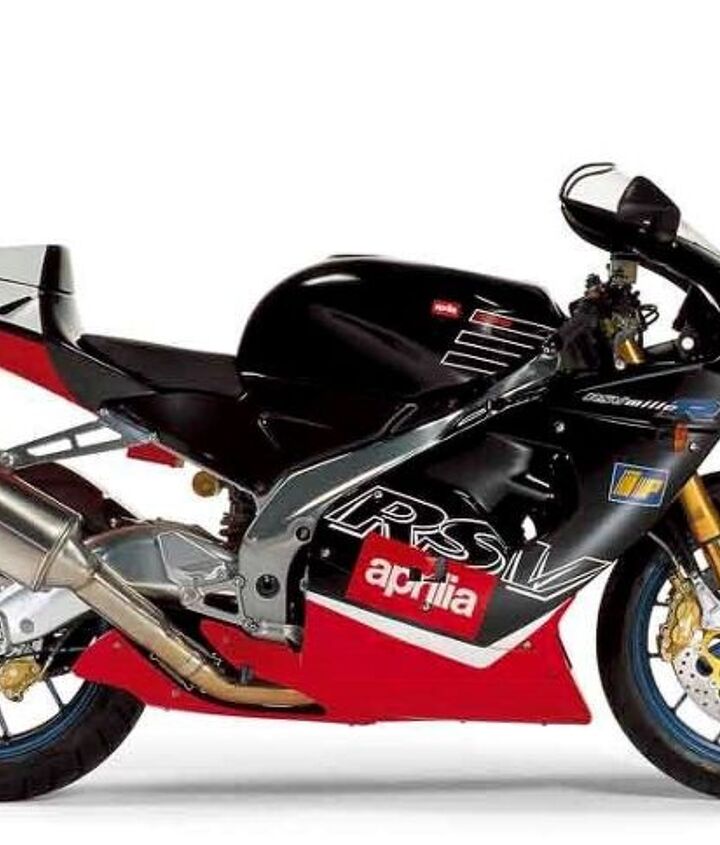
The early 2000s brought serious engineering upgrades.
Key Changes:
✔ Fuel injection replaced carburetors
✔ Aluminum twin-spar frames became standard
✔ Better aerodynamics
✔ Improved braking systems
✔ Lighter chassis materials
Horsepower wars intensified. Manufacturers competed aggressively in the liter-bike class.
Superbikes started becoming faster — and more refined.
But they were still largely analog in rider assistance.
You were in full control.
For better or worse.
⚡ 2010–2015: The Electronics Revolution Begins
4
Around the 2010s, something changed.
Electronics entered the superbike world — and they never left.
Major Breakthroughs:
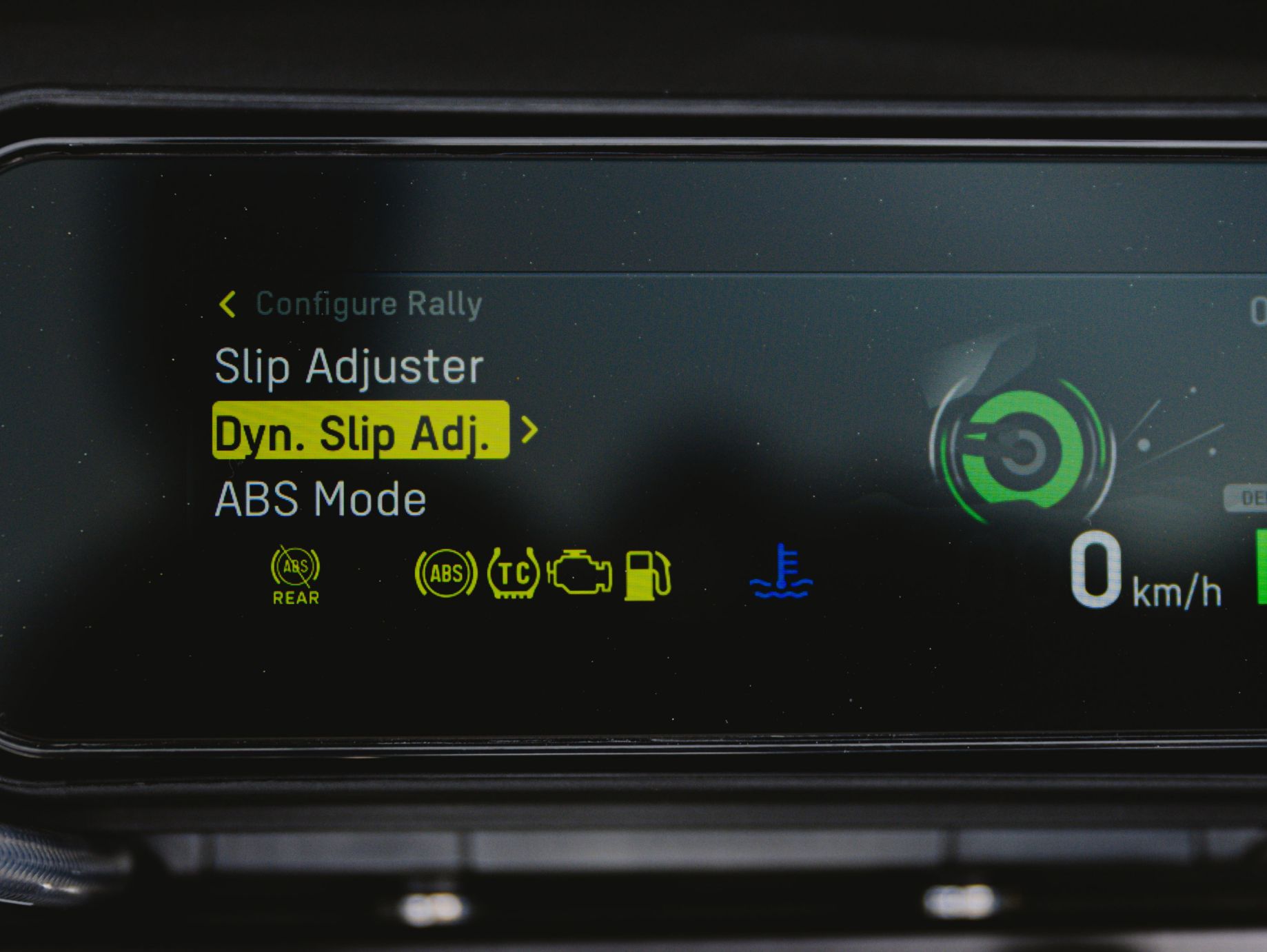
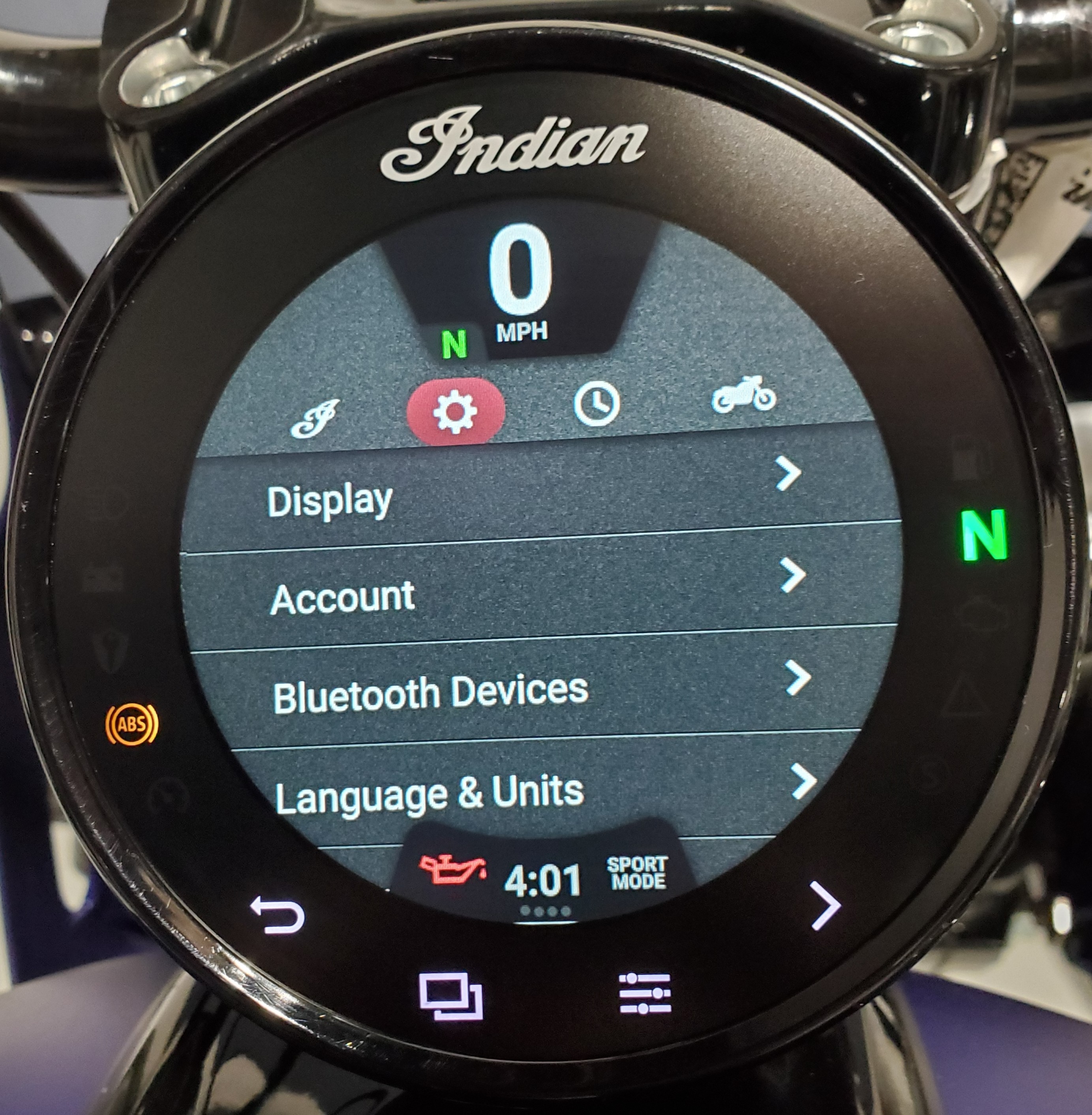
- ABS (Anti-lock Braking Systems)
- Traction control
- Ride-by-wire throttle systems
- Basic ride modes
- Slipper clutches
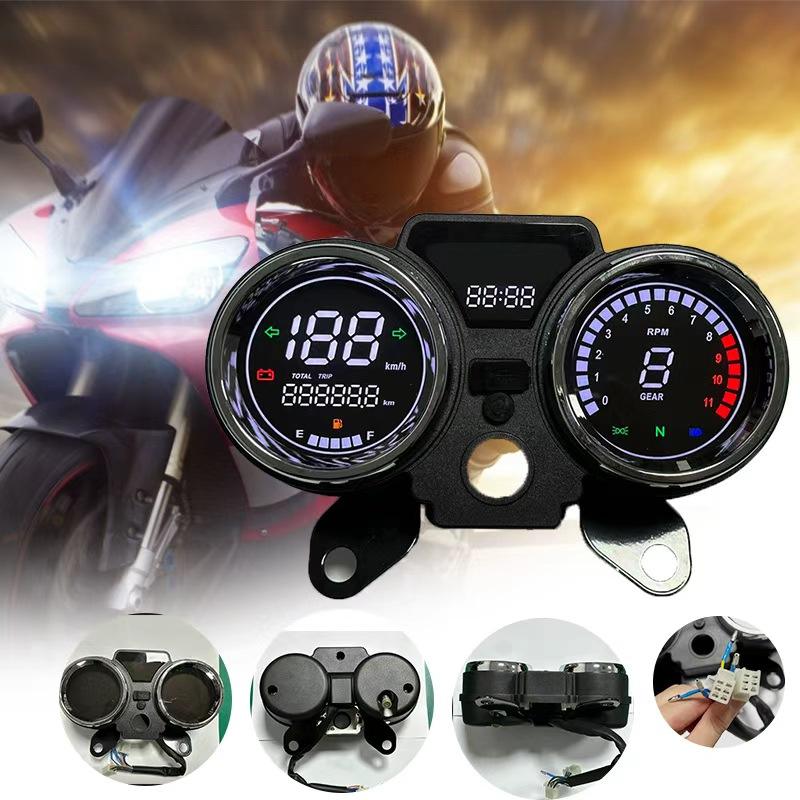
- Early digital dashboards
Now, superbikes didn’t just rely on mechanical engineering — they relied on software.
Throttle cables were replaced by electronic sensors.
Computers began adjusting fuel, timing, and traction in real time.
The shift had begun.
🧠 2016–2020: IMUs & Intelligent Control

4
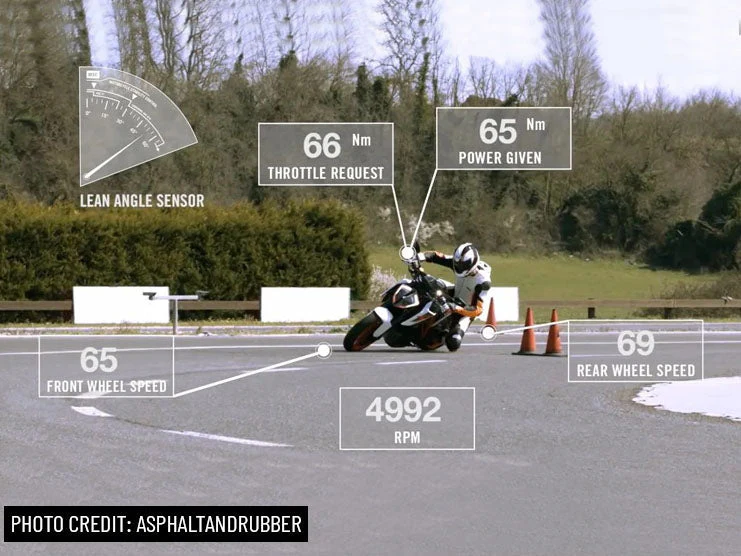
The introduction of IMU (Inertial Measurement Units) changed everything.
IMUs measure:
- Lean angle
- Pitch
- Yaw
- Acceleration
With IMU integration, superbikes gained:
✔ Cornering ABS
✔ Lean-sensitive traction control
✔ Wheelie control
✔ Launch control
✔ Slide control
Now, electronics weren’t just reacting — they were predicting.
The bike understood your lean angle and adjusted power delivery mid-corner.
This dramatically increased performance potential — while improving safety.
The raw monster was becoming a smart machine.
🏁 2021–2026: The Smart Superbike Era
4
Modern superbikes are technological marvels.
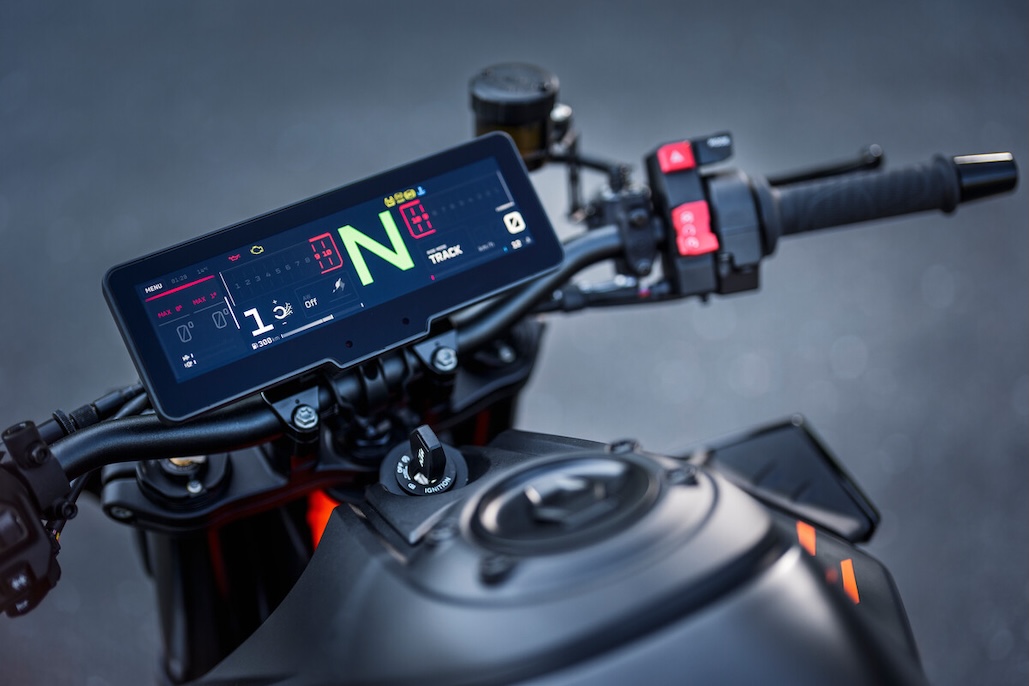
In 2026, top-tier sport bikes now feature:
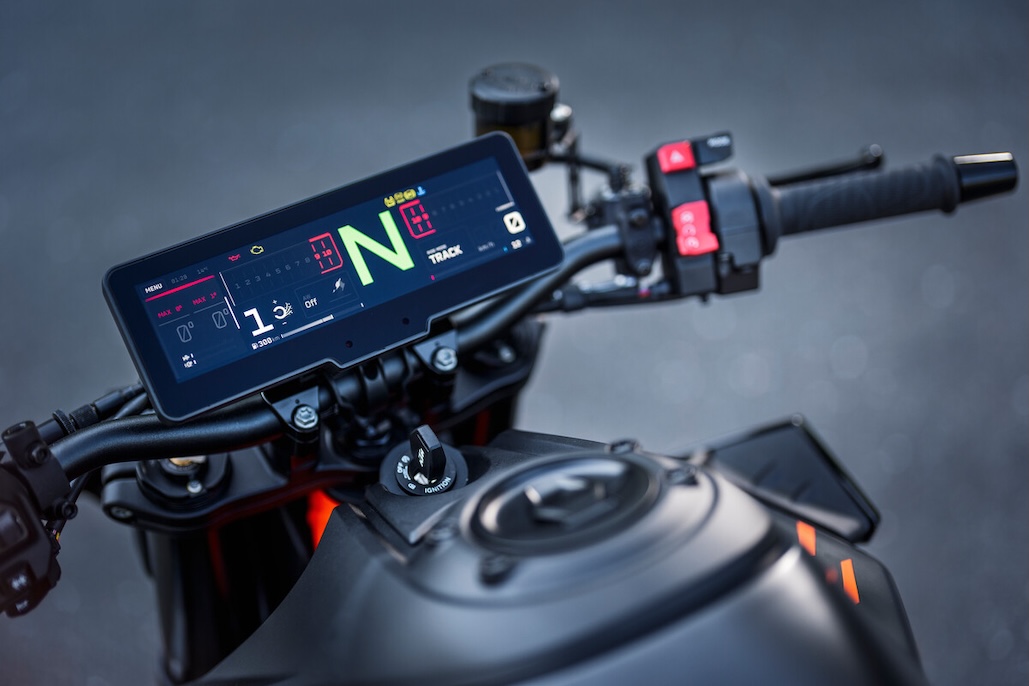
✔ Full-color TFT displays
✔ Bluetooth & smartphone connectivity
✔ GPS lap timers
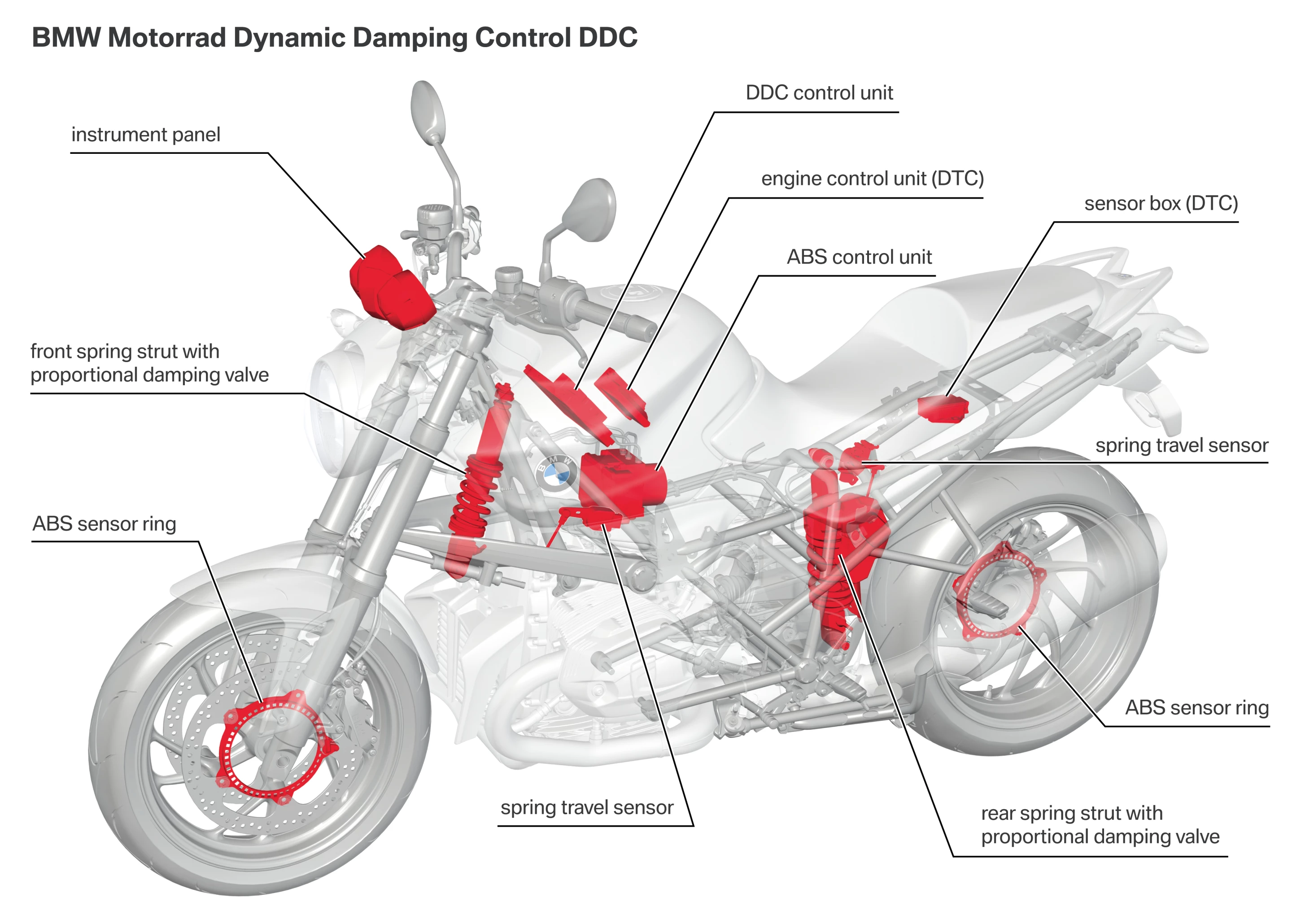
✔ Adaptive electronic suspension
✔ Multiple customizable ride modes
✔ Quickshifters (up & down)
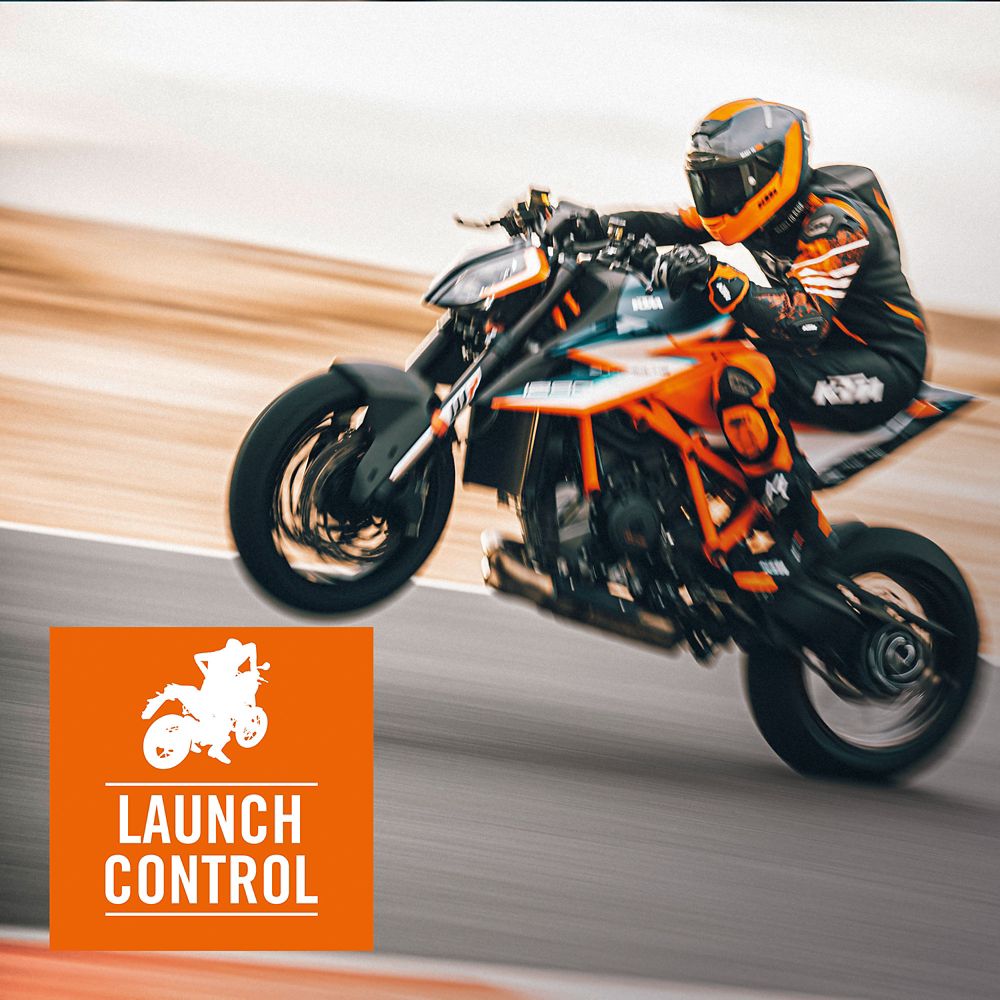
✔ Launch control
✔ Slide control
✔ Engine braking control
✔ AI-based rider assist systems
Some models even allow:
- Over-the-air software updates
- Cloud ride data tracking
- Performance analytics
The motorcycle doesn’t just respond — it adapts.
Power Evolution: Then vs Now
Let’s compare performance across decades:
| Era | Average Liter Bike Power | Electronics | Rider Skill Demand |
|---|---|---|---|
| 1990s | ~130–150 HP | None | Extremely High |
| Early 2000s | ~150–170 HP | Minimal | Very High |
| 2010s | ~170–190 HP | Basic TC + ABS | High |
| 2026 | 200–220+ HP | Advanced Smart Systems | Managed by Tech |
Modern superbikes produce more power than ever — but feel more controlled due to electronics.
In the 90s, 150 HP felt terrifying.
Today, 210 HP feels usable.
That’s technology at work.
From Mechanical Fear to Controlled Precision
Old superbikes demanded respect through fear.
Modern superbikes demand respect through precision.
You can now:
✔ Select rain mode for wet roads
✔ Activate track mode for aggressive riding
✔ Adjust throttle sensitivity
✔ Tune suspension electronically
This doesn’t make bikes weaker.
It makes them smarter.
The Debate: Are Modern Superbikes Too Easy?
Some riders argue:
“Electronics make riding too easy.”
They believe:
- Skill mattered more before
- Modern systems reduce rider input
- The challenge is reduced
But here’s the counterpoint:
Modern electronics don’t remove skill.
They expand the safe performance envelope.
Professional racers use electronics too.
Technology allows riders to explore limits more safely — not eliminate them.
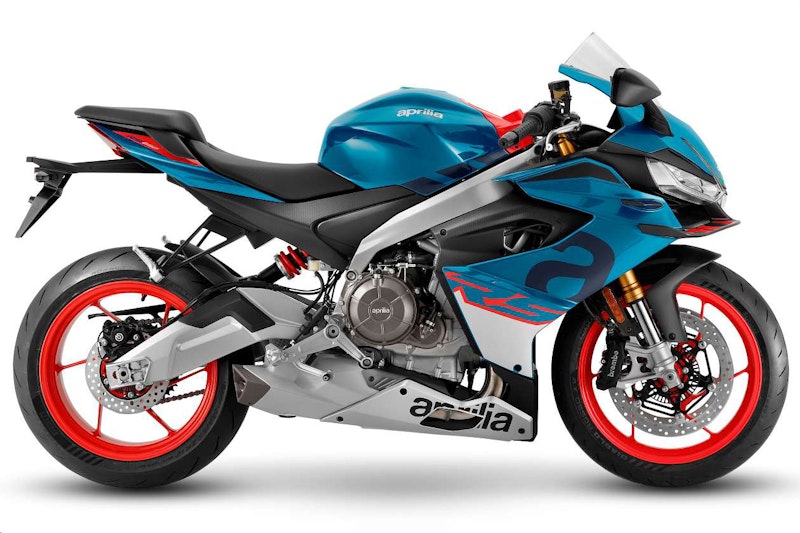
Aerodynamics & Winglets (Modern Performance Edge)


4
Recent superbikes incorporate MotoGP-inspired aerodynamics.
Winglets now:
✔ Increase front-end stability
✔ Reduce wheel lift under acceleration
✔ Improve high-speed cornering grip
In the 1990s, aerodynamics focused mainly on drag reduction.
In 2026, it’s about downforce and stability.
That’s race tech trickling down to street machines.
The Rider Experience: Then vs Now
1990s Rider Experience:
- Raw throttle
- Heavy clutch
- No safety net
- Intimidating power
- Analog gauges
2026 Rider Experience:
- Smooth electronic throttle
- Quickshifter seamless shifts
- Lean-sensitive braking
- Custom ride modes
- Data-driven feedback
It’s not less thrilling.
It’s more controlled.
Maintenance & Reliability Improvements
Modern superbikes also offer:
✔ Longer service intervals
✔ More durable materials
✔ Better cooling systems
✔ Improved fuel efficiency
Even with more power, engines are more reliable than ever.
What’s Next After 2026?
Future superbike trends may include:
- Advanced AI predictive riding systems
- Semi-autonomous stability aids
- Electric superbike dominance
- Lightweight battery tech
- Further integration with wearable rider tech
We are moving toward machines that combine:
Raw power + Intelligent control + Connected ecosystems.
Final Thoughts
Superbikes have evolved from:
Analog monsters driven purely by bravery…
To intelligent performance machines enhanced by technology.
The 1990s bikes demanded courage.
The 2000s bikes demanded skill.
The 2010s bikes demanded adaptation.
The 2026 superbikes demand precision — assisted by intelligence.
But one thing hasn’t changed:
The thrill.
No matter the era, superbikes remain the ultimate expression of two-wheeled speed.
They’ve just gotten smarter about how they deliver it. 🏁🏍️💨