Motorcycles used to be purely mechanical. Carburetors. Cables. Analog gauges. If something went wrong, you grabbed tools — not software updates.
But in 2026, that reality has changed.
Today’s motorcycles are becoming smarter, more connected, and more adaptive than ever before. Artificial intelligence, cloud connectivity, advanced rider-assist systems — features once limited to luxury cars — are now entering the two-wheel world.
The result? A new generation of smart motorcycles that don’t just respond to rider input — they analyze, adjust, and assist in real time.
So what exactly is happening in the industry? And how is it changing the riding experience?
Let’s break it down.
From Mechanical Machines to Digital Platforms


4
A decade ago, most motorcycles had:
- Speedometer
- Tachometer
- Basic warning lights
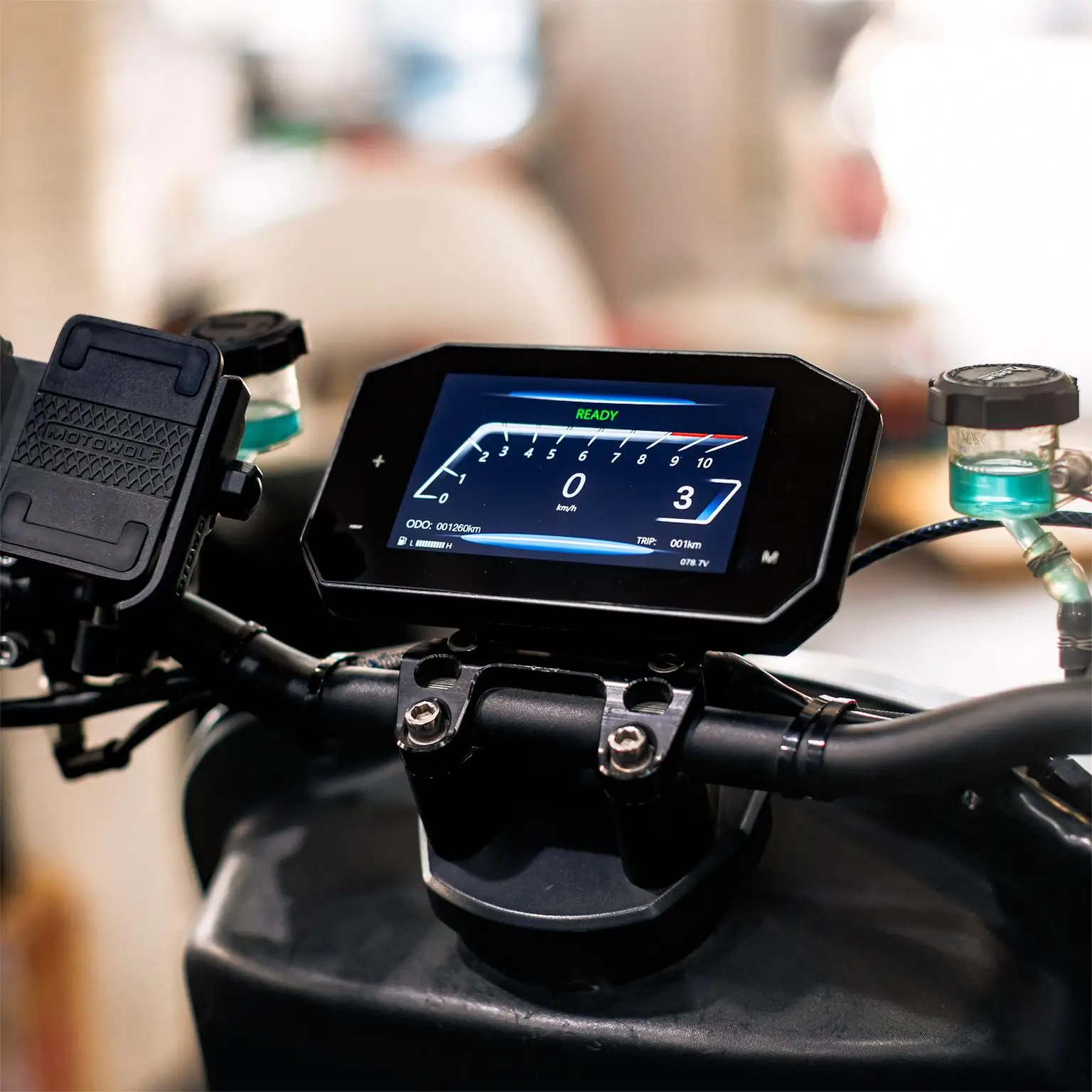
Now, many bikes feature:
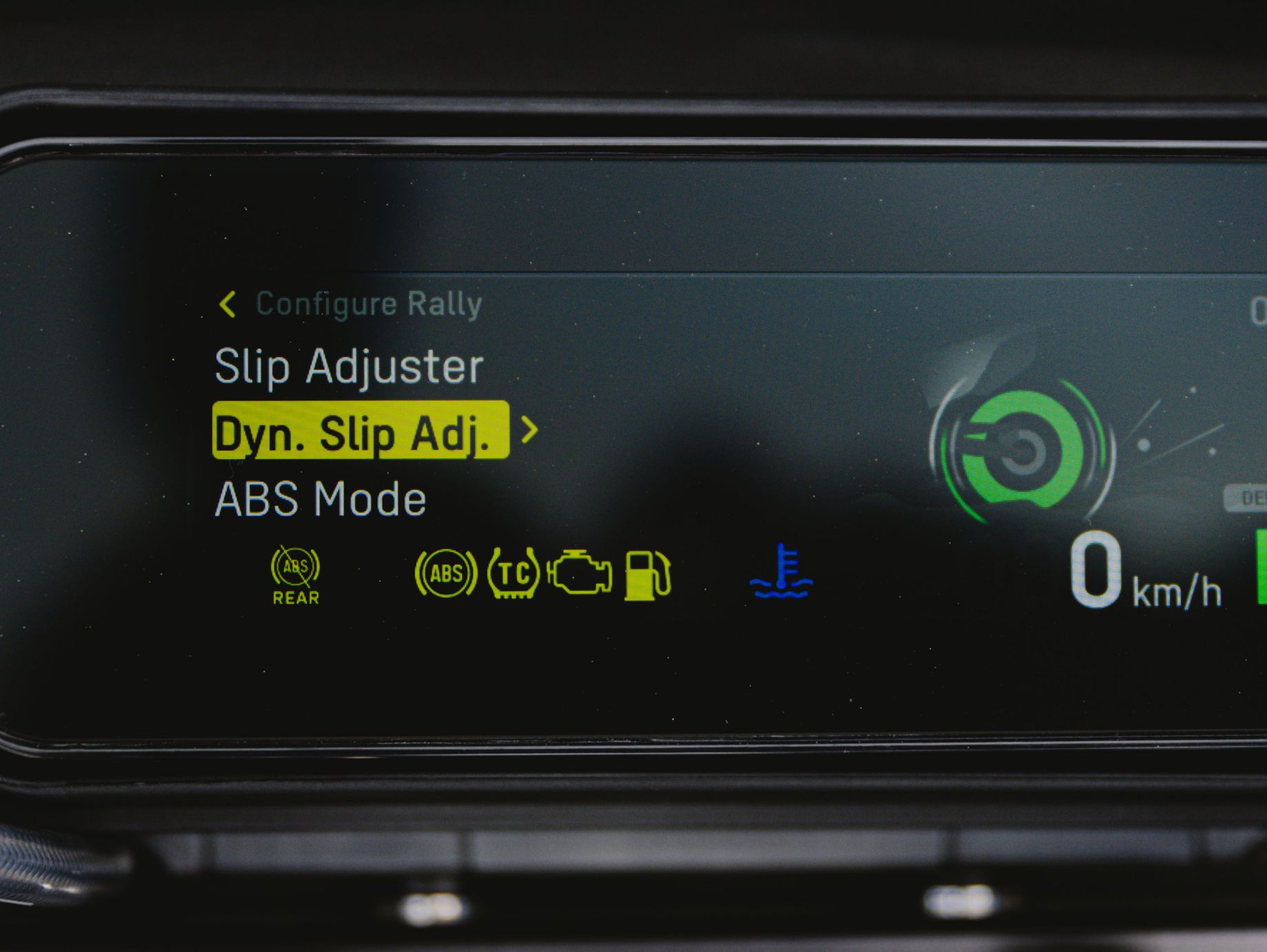
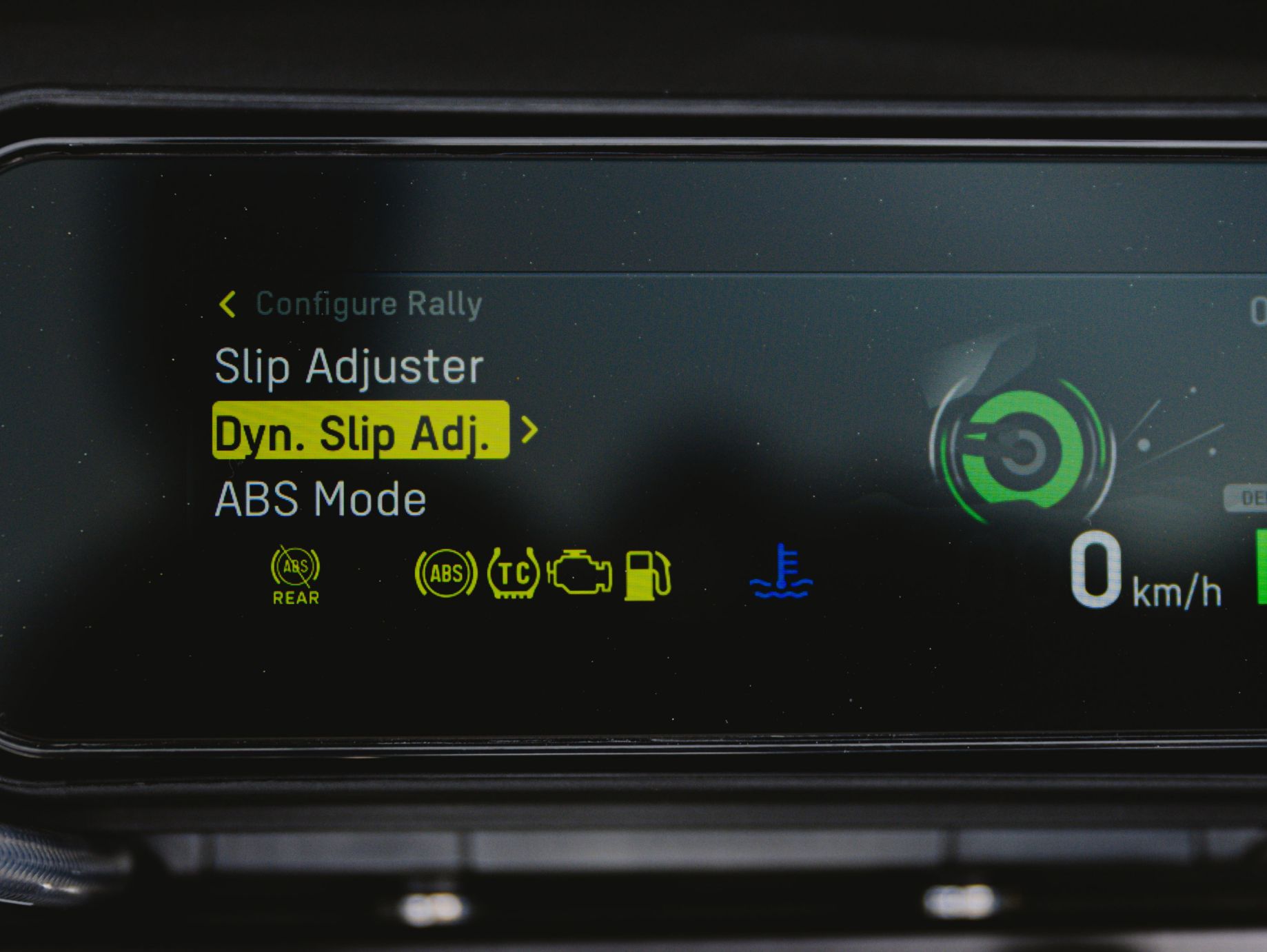
- Full-color TFT displays
- Bluetooth connectivity
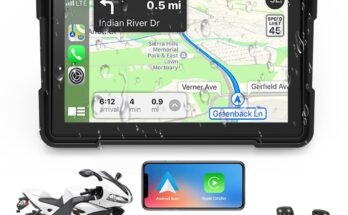
- GPS navigation
- Ride mode customization
- Smartphone integration
Motorcycles are evolving from mechanical devices into rolling digital platforms.
And this transformation is accelerating.
Artificial Intelligence in Motorcycles
AI in motorcycles doesn’t mean self-riding bikes (at least not yet). Instead, it focuses on intelligent assistance and data-driven decision-making.
1️⃣ Adaptive Ride Modes
Modern bikes use sensors to adjust:
- Throttle response
- Traction control
- ABS behavior
- Suspension damping
For example, if the system detects rain or slippery surfaces, it can reduce power delivery and increase safety margins automatically.
AI algorithms process real-time data from:
- Wheel speed sensors
- Lean angle sensors
- Throttle position
- Road conditions
The result? A bike that adapts to you and your environment.
2️⃣ Predictive Maintenance Alerts
Smart motorcycles can now monitor:
- Engine temperature
- Battery health
- Brake wear
- System diagnostics
Instead of waiting for something to fail, the bike alerts you before it becomes serious.
Some manufacturers even connect service data to dealerships automatically.
Maintenance becomes proactive instead of reactive.
Connectivity: Your Bike Is Now Online
4
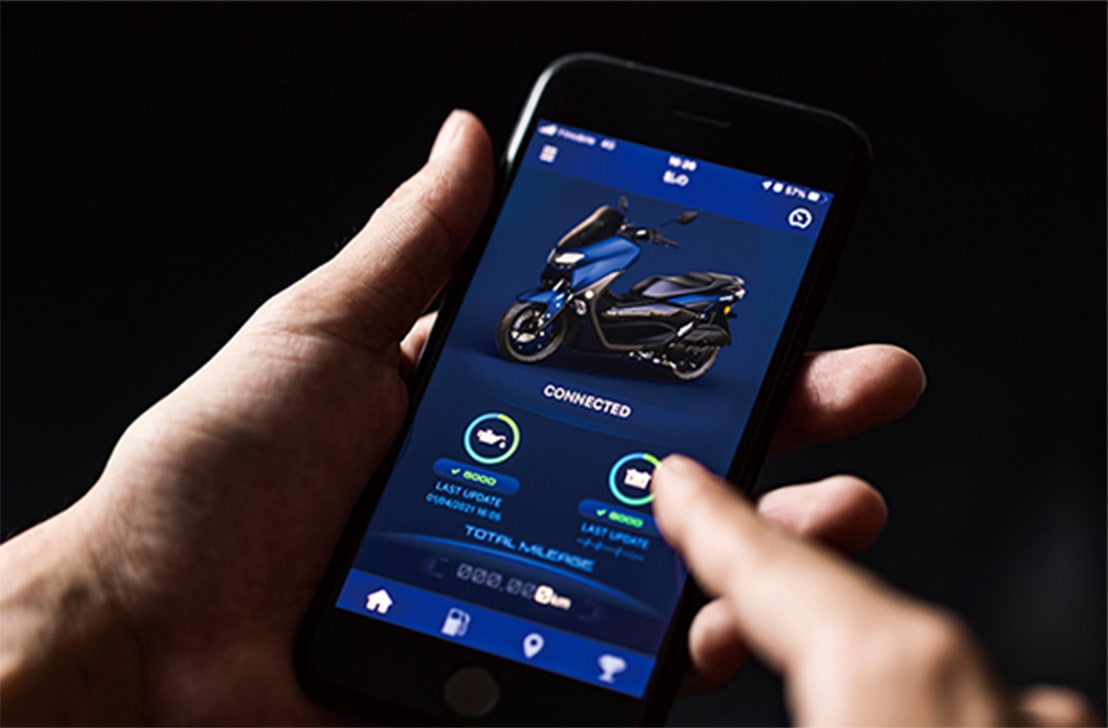
Connectivity is one of the biggest shifts in modern motorcycling.
Bluetooth & Smartphone Pairing
Riders can now:
- Receive call alerts
- Control music
- View navigation prompts
- Track ride statistics
All without removing their gloves.
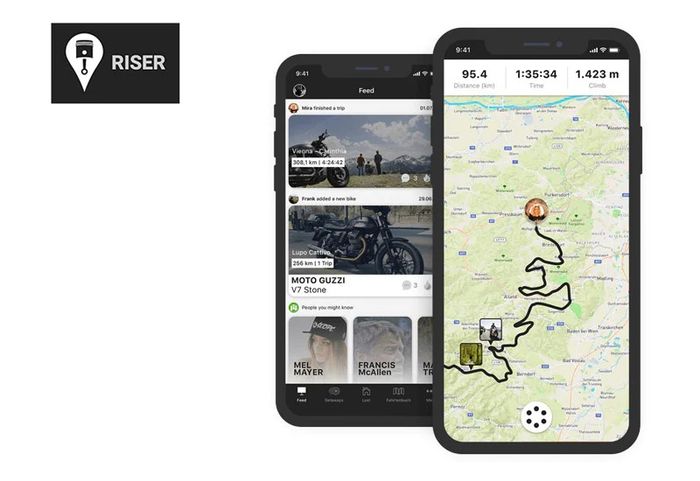
Ride Tracking & Data Analytics
Many smart bikes log:
- Speed history
- Lean angles
- Acceleration patterns
- Route mapping
This data allows riders to analyze performance and improve technique.
For sport riders, this is incredibly valuable. For casual riders, it’s simply interesting.
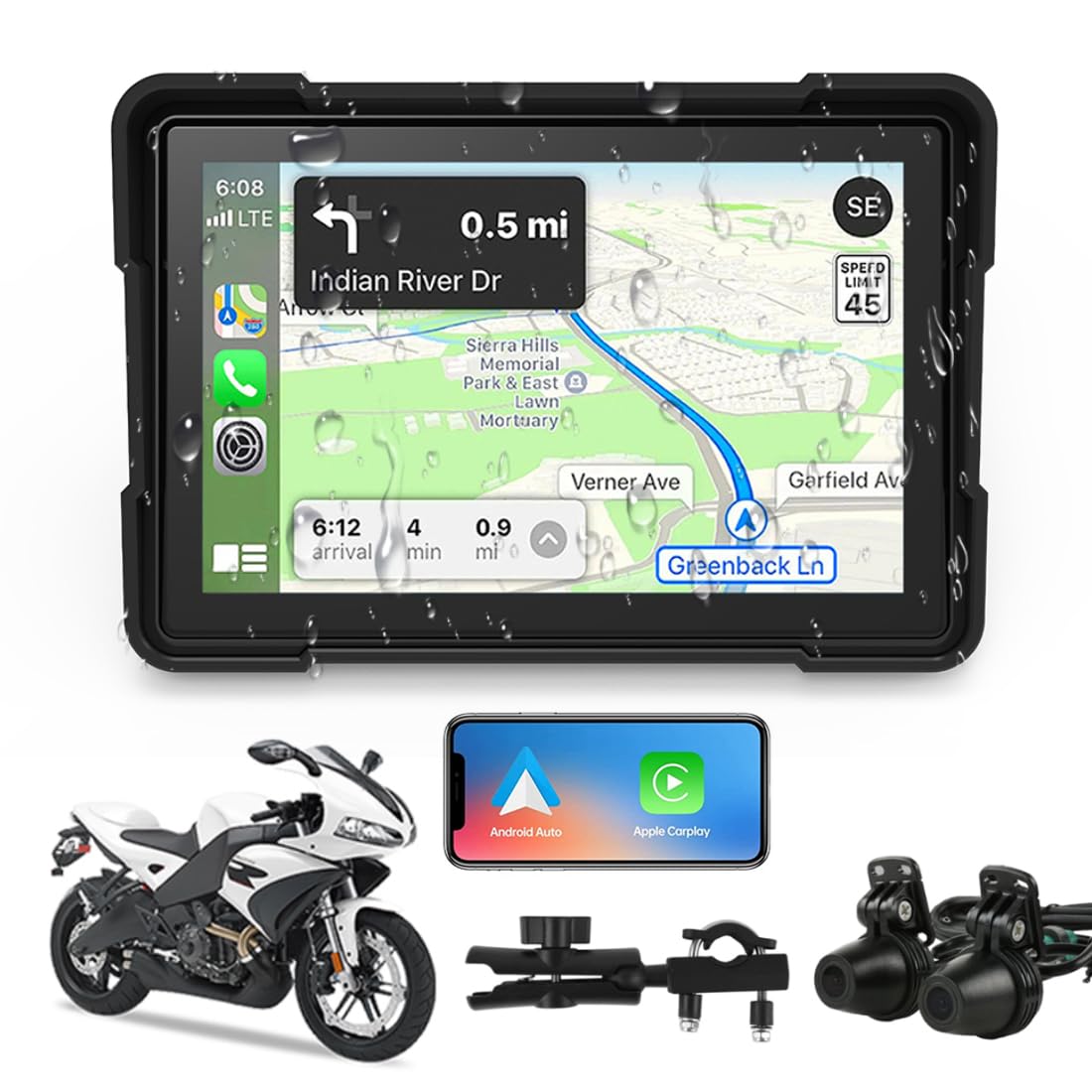
GPS & Real-Time Navigation
Built-in navigation systems eliminate the need for handlebar phone mounts.
Turn-by-turn directions display directly on the dash.
Some systems even provide:
- Traffic updates
- Weather alerts
- Charging station locations (for electric bikes)
Motorcycles are no longer isolated machines — they are connected travel devices.
Advanced Rider-Assist Technology

4
Safety tech is improving rapidly.
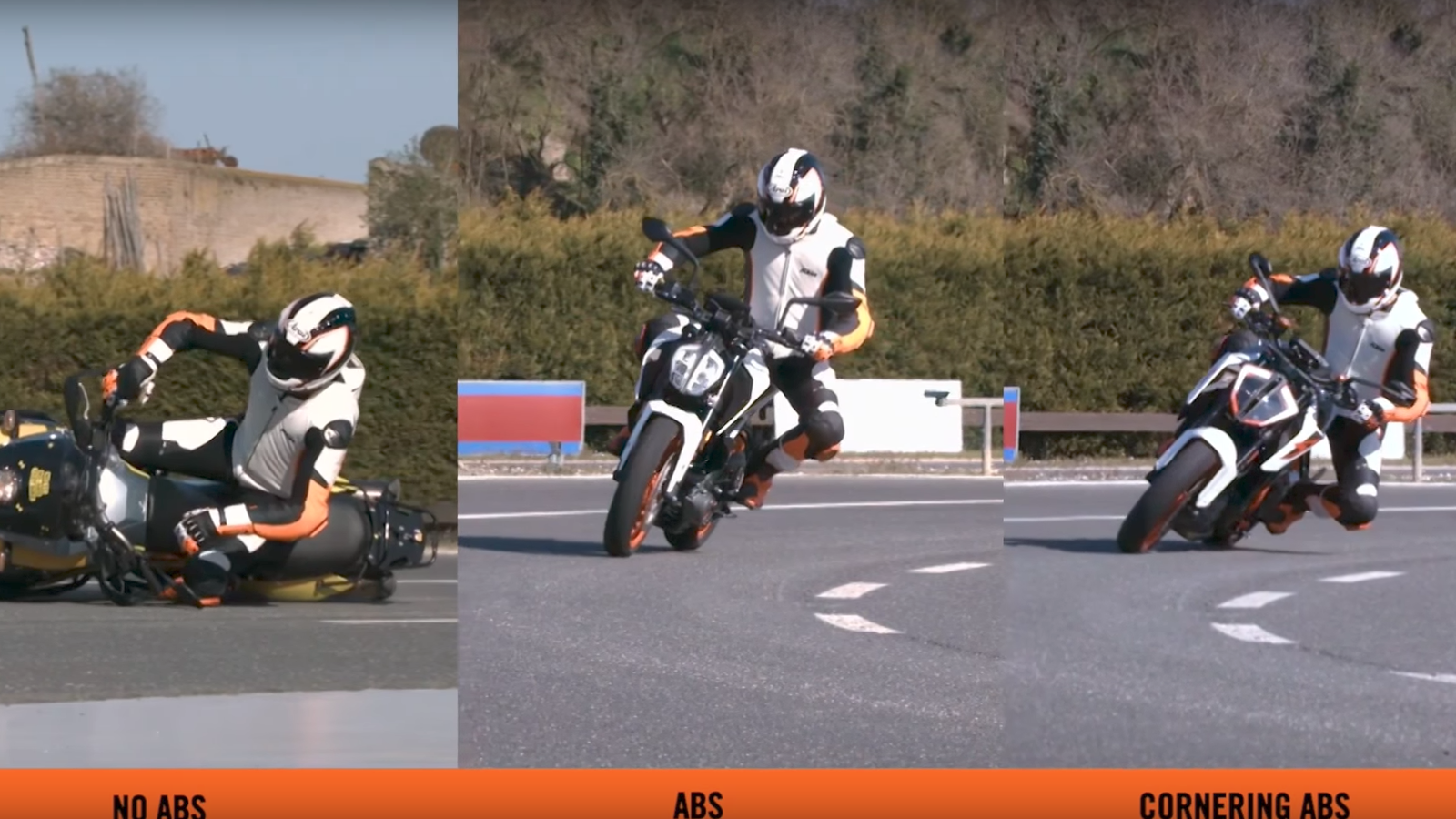
1️⃣ Cornering ABS
Traditional ABS works in straight lines.
Cornering ABS adjusts braking pressure while leaned over — reducing crash risk during panic braking in turns.
2️⃣ Traction Control
Modern traction control systems detect wheel slip and adjust power instantly.
This is especially helpful:
- In rain
- On gravel
- During aggressive acceleration
3️⃣ Radar-Based Cruise Control
Some high-end motorcycles now feature adaptive cruise control — similar to modern cars.
Radar sensors detect vehicles ahead and adjust speed automatically to maintain safe distance.
For long-distance touring, this reduces fatigue significantly.
4️⃣ Blind Spot Detection
Rear radar systems alert riders when vehicles sit in blind spots.
Subtle dash indicators improve situational awareness.
Electric Motorcycles & Smart Integration
Electric motorcycles often push smart technology further.
Many include:
- Over-the-air software updates
- Battery health tracking
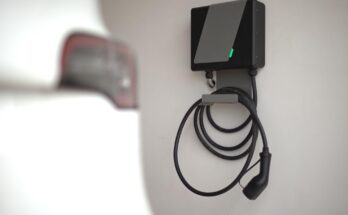
- Charging station navigation
- Energy efficiency analytics
Electric platforms integrate naturally with digital systems because their architecture is already electronic-heavy.
This makes them ideal candidates for smart features.
The Benefits of Smart Motorcycles
✅ Increased Safety
AI-driven traction control, adaptive ABS, and radar cruise reduce rider error risks.
✅ Improved Comfort
Navigation, connectivity, and adaptive suspension enhance long rides.
✅ Performance Optimization
Ride modes allow customization for:
- Rain
- Sport
- Touring
- Urban commuting
✅ Data Awareness
Riders gain insight into their habits and machine health.
The Downsides: Is Too Much Tech a Problem?
Not everyone welcomes smart technology.
Some riders argue:
- Too much tech removes raw riding feel
- Electronics can fail
- Repair costs increase
- Software dependence complicates ownership
There’s also the philosophical concern:
Motorcycling has always been about simplicity and mechanical purity.
As tech increases, some worry the emotional connection decreases.
It’s a valid debate.
Who Smart Motorcycles Are Perfect For
Smart motorcycles appeal most to:
✔ Tech-savvy riders
✔ Daily commuters
✔ Touring enthusiasts
✔ Riders who prioritize safety
✔ Electric motorcycle adopters
Traditional purists may prefer minimal electronic interference.
But younger riders entering the market often expect digital integration as standard.
The Future: Semi-Autonomous Riding?
Looking ahead, we may see:
- Enhanced collision avoidance systems
- Lane assist technology
- AI-driven hazard detection
- Advanced rider fatigue monitoring
Full autonomy is unlikely soon — motorcycling is inherently rider-focused.
But assistance systems will continue evolving.
The goal isn’t replacing the rider.
It’s protecting them.
Final Thoughts
The rise of smart motorcycles represents one of the biggest transformations in two-wheel history.
Artificial intelligence, connectivity, and rider-assist systems are reshaping what it means to ride.
Motorcycles are no longer just mechanical machines — they’re becoming intelligent companions that:
- Analyze conditions
- Adjust in real time
- Connect to the digital world
- Enhance safety and performance
Still, the essence of riding remains the same:
Wind. Road. Control.
Smart technology doesn’t remove that — it supports it.
In 2026 and beyond, motorcycles aren’t just getting faster.
They’re getting smarter.
And whether you embrace every feature or prefer selective upgrades, one thing is clear:
The era of the smart motorcycle has officially begun.