When people talk about cruiser motorcycles, one name almost always enters the conversation first — Harley-Davidson.
For more than a century, Harley hasn’t just built motorcycles; it has shaped an entire riding culture. The cruiser category — known for relaxed ergonomics, low seats, torquey engines, and laid-back highway presence — owes much of its identity to Harley-Davidson’s most iconic machines.
Some bikes sell well.
Some bikes look good.
And then there are the bikes that define an era.
Here are the seven Harley-Davidson models that didn’t just ride through history — they helped create cruiser history itself.
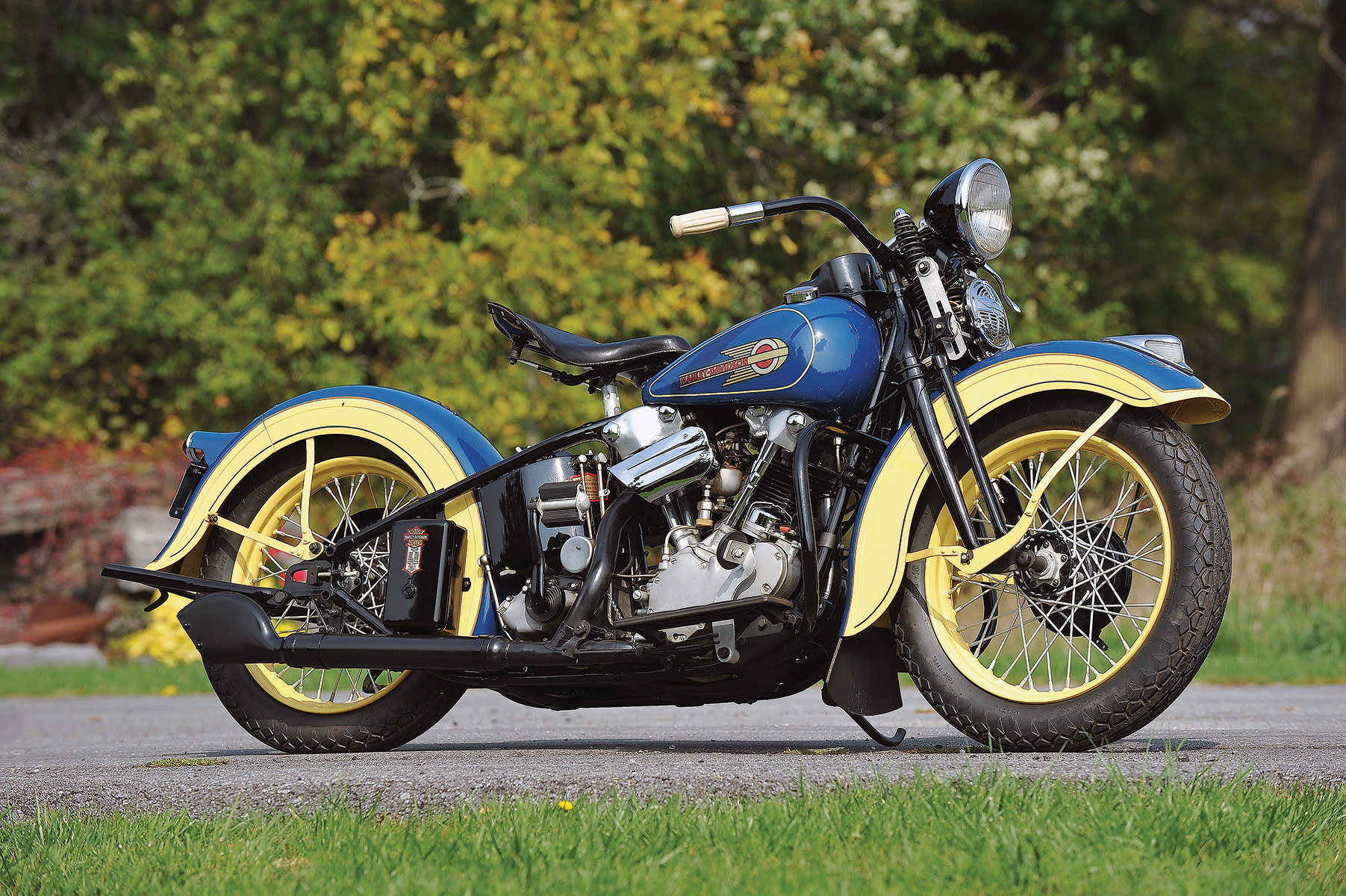
1. 1936 Harley-Davidson EL “Knucklehead”


4
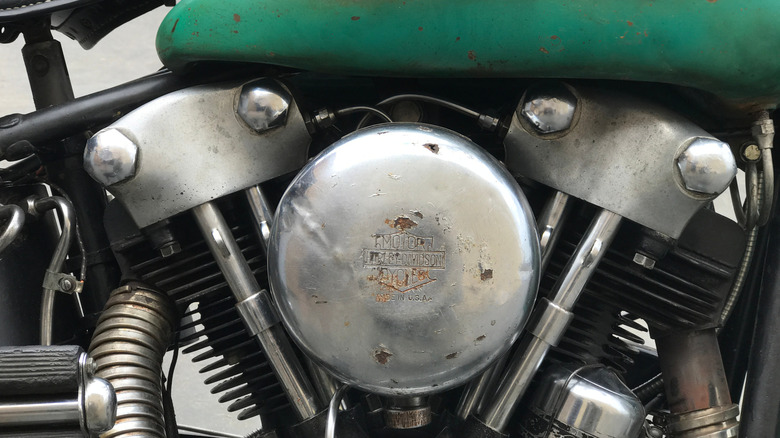
In 1936, Harley introduced the EL model, famously known as the Knucklehead — named after the distinctive shape of its rocker covers.
This was a turning point.
It introduced Harley’s first overhead-valve V-twin engine, producing more power and reliability than previous flathead motors. At a time when motorcycles were still evolving, the Knucklehead gave riders performance combined with that unmistakable V-twin character.
Why it mattered:
- Set the foundation for modern Harley engine design
- Strengthened the V-twin identity
- Elevated Harley’s performance reputation
The Knucklehead wasn’t just another model. It was the mechanical blueprint for decades of cruiser evolution.
2. 1948 Harley-Davidson FL “Panhead”


4
After the Knucklehead came the Panhead in 1948. The name again came from the engine’s rocker covers, which resembled upside-down pans.
This model refined what the Knucklehead started.
Hydraulic lifters reduced maintenance. Aluminum cylinder heads improved cooling. It was smoother, more reliable, and better suited for long-distance cruising — something that would later become a defining cruiser trait.
The Panhead era also coincided with the rise of motorcycle clubs and custom chopper culture in post-war America.
It didn’t just move riders forward — it moved the culture forward.
3. 1957 Harley-Davidson Sportster


4
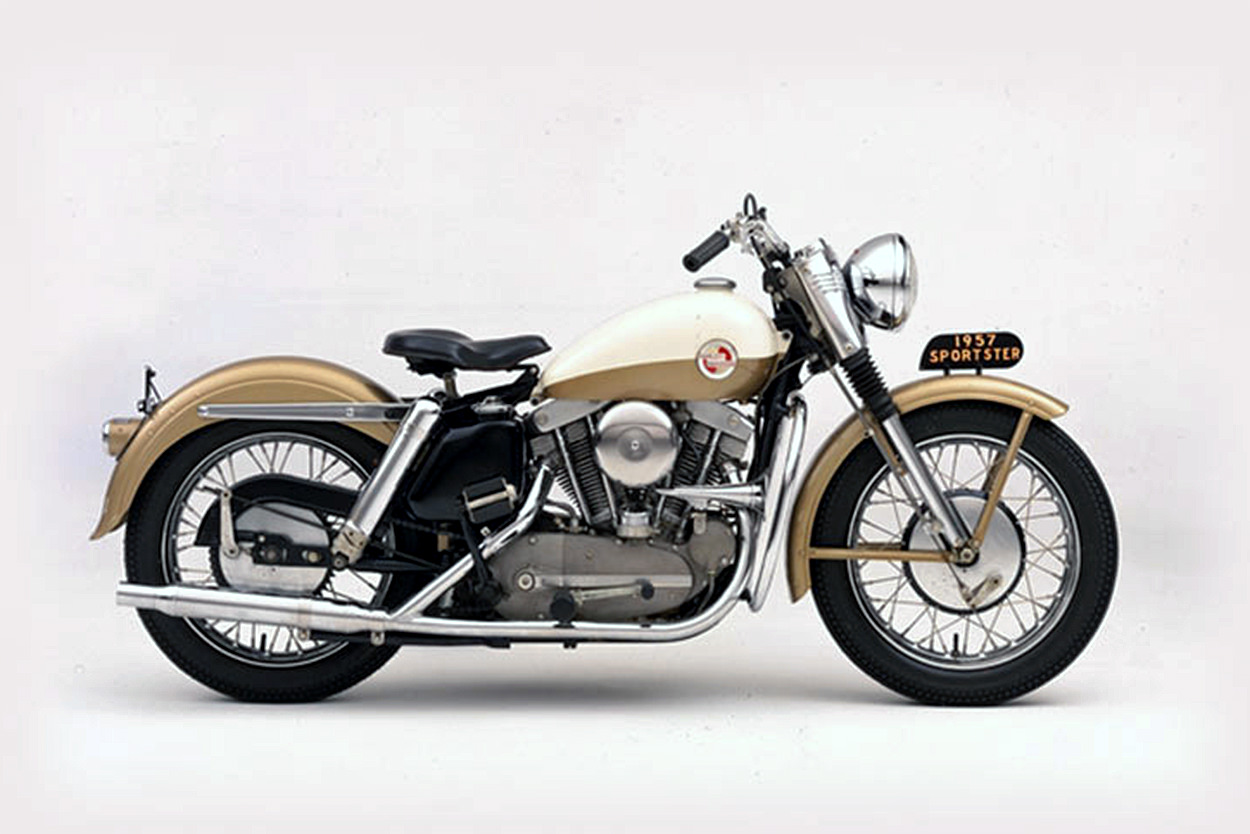
When the Sportster launched in 1957, it brought something new to the Harley lineup: a lighter, more agile platform.
While often seen today as an entry-level Harley, the original Sportster was powerful for its time. It competed strongly with British motorcycles and introduced a more compact cruiser experience.
What made it historic:
- Longest-running Harley model line
- Accessible performance
- Massive customization potential
The Sportster became the gateway into cruiser culture for generations of riders. Many lifelong Harley enthusiasts started here.
4. 1965 Harley-Davidson Electra Glide

4
The Electra Glide changed long-distance cruising forever.
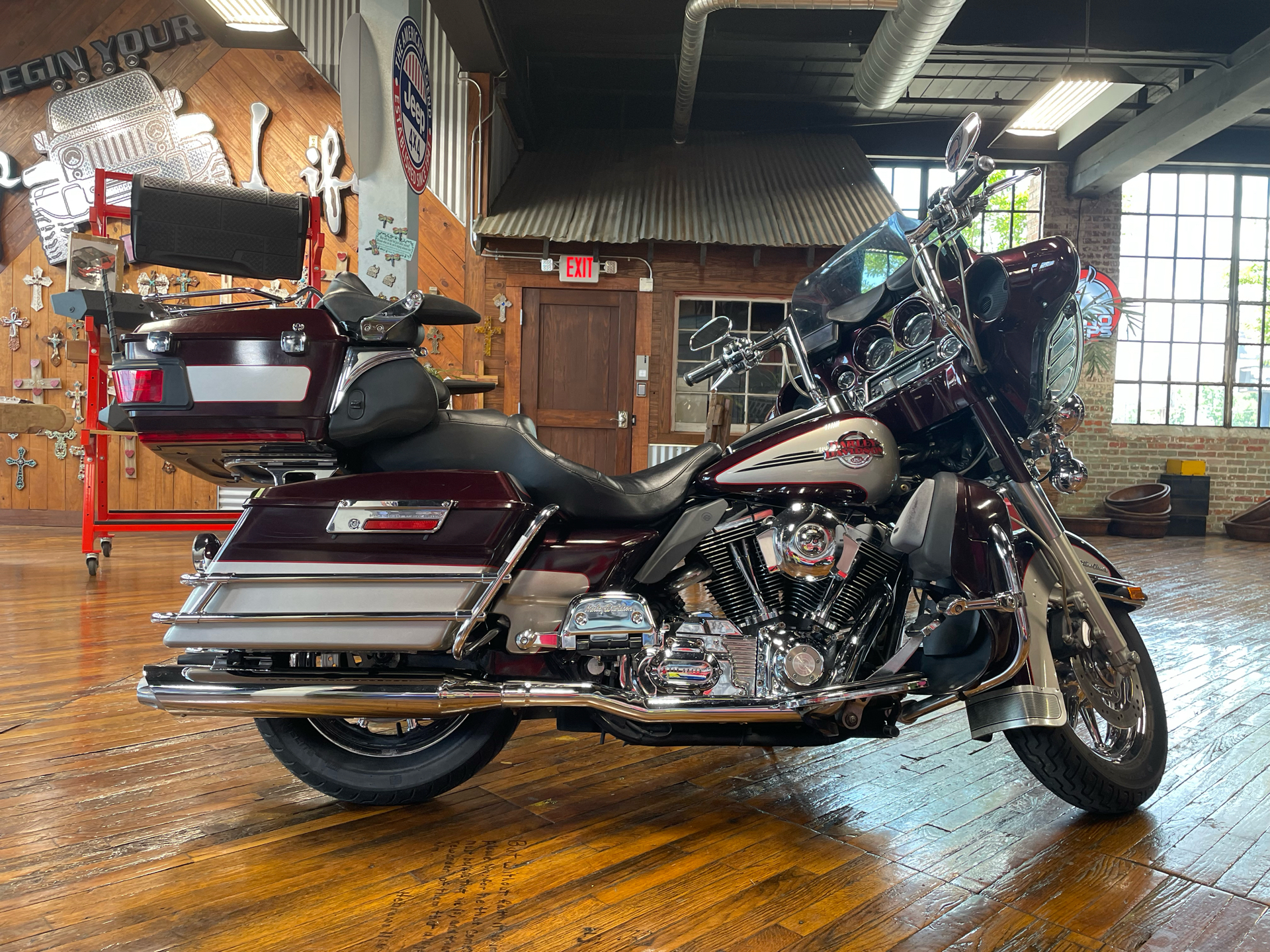
Introduced in 1965, it featured an electric starter — a major innovation at the time. No more exhausting kick-start routines. Push a button and ride.
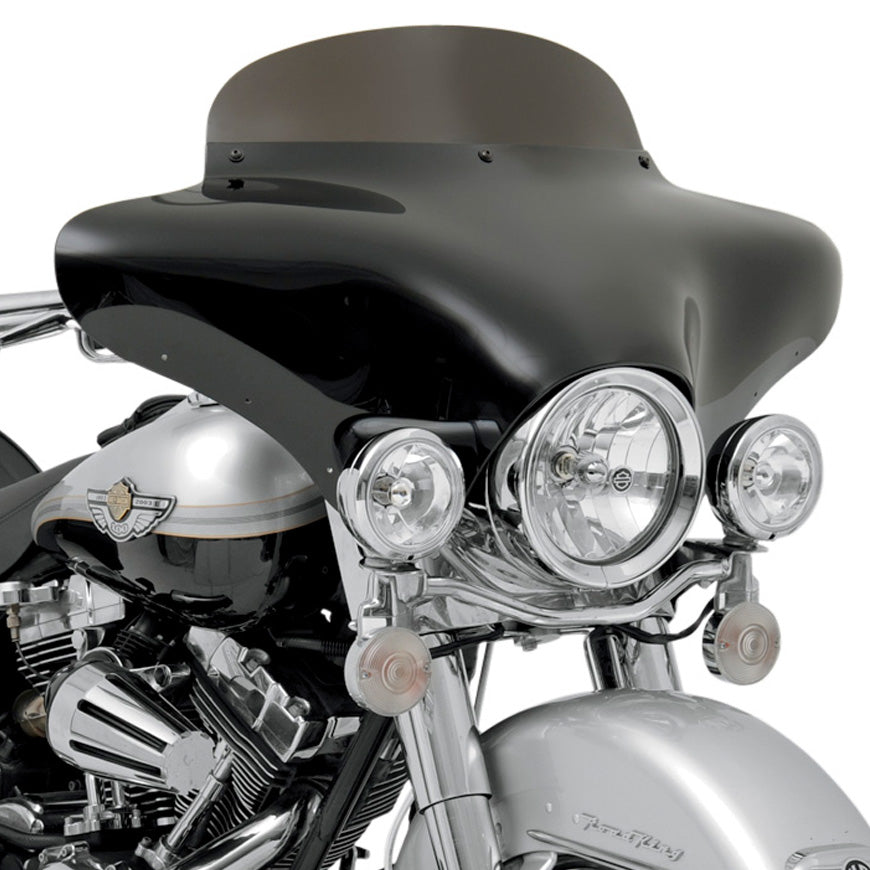
More importantly, it emphasized comfort. With its large frame, windshield options, and later touring accessories, the Electra Glide helped shape the modern touring cruiser segment.
This bike made cross-country travel practical and appealing.
For many riders, this model turned weekend rides into multi-state adventures.
5. 1984 Harley-Davidson Softail


4
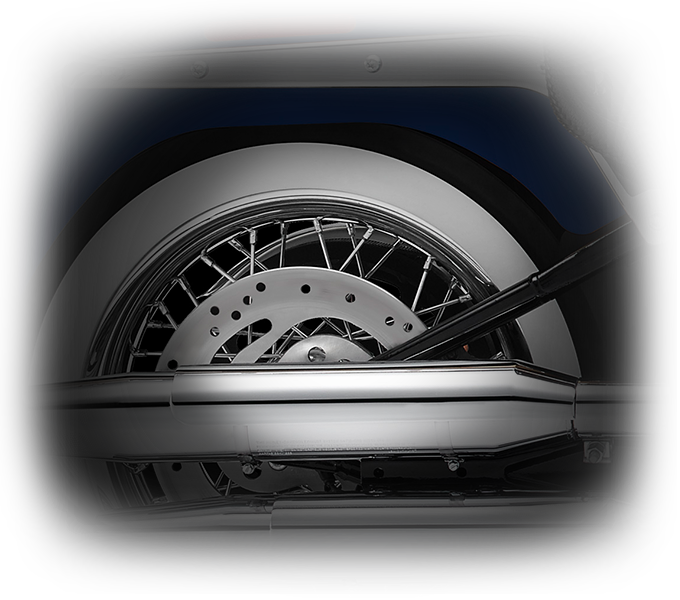
The Softail was a design revolution.
In 1984, Harley introduced a hidden rear suspension system that gave the motorcycle the appearance of a rigid “hardtail” frame — but with modern comfort.
This was genius.
Riders loved the vintage look but didn’t want vintage discomfort. The Softail delivered both style and ride quality.
Its impact:
- Sparked massive custom builder interest
- Balanced retro design with modern engineering
- Became one of Harley’s most successful platforms
Even today, the Softail line remains a cornerstone of cruiser identity.
6. 1990 Harley-Davidson Fat Boy


4
Few motorcycles became pop-culture icons like the Fat Boy.
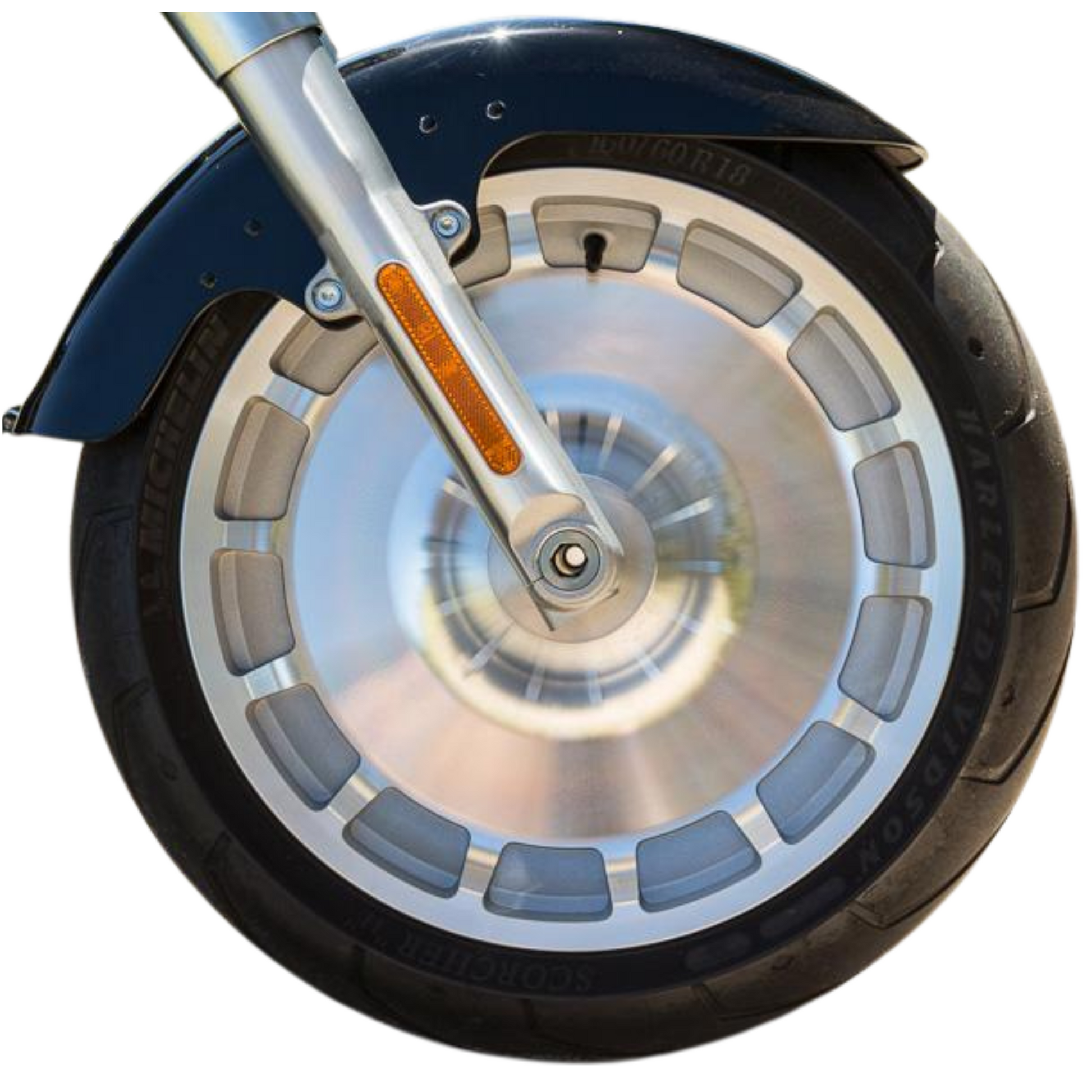
Launched in 1990, the Fat Boy stood out immediately with its solid disc wheels, muscular stance, and industrial design. It wasn’t flashy — it was bold.
Its global recognition skyrocketed after appearing in the 1991 film Terminator 2. Suddenly, it wasn’t just a cruiser. It was a symbol of power and attitude.
Why it defined cruiser history:
- Broader mainstream appeal
- Instantly recognizable styling
- Reinforced the “big, bold cruiser” identity
The Fat Boy proved that cruiser bikes could be both timeless and modern at once.
7. 1998 Harley-Davidson Road King


4
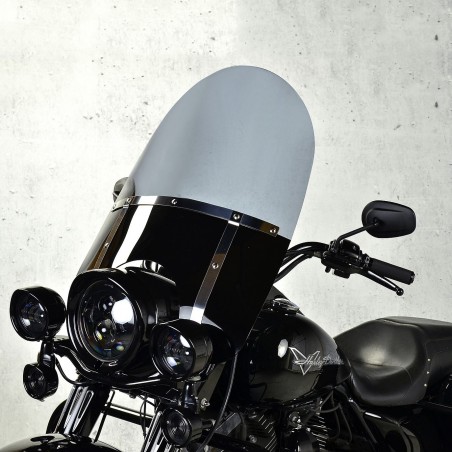
The Road King blended classic cruiser aesthetics with serious touring capability.
Unlike fully faired touring bikes, it retained a clean, traditional look with detachable windshields and hard saddlebags. It was practical without sacrificing style.
For many riders, the Road King became the ultimate all-around cruiser — comfortable enough for long trips but still raw enough to feel connected to the road.
It represented maturity in cruiser engineering:
- Balanced comfort and heritage
- Touring-focused yet visually classic
- Extremely loyal owner base
The Bigger Picture: How These Models Shaped Cruiser DNA
Each of these motorcycles contributed something essential:
- Knucklehead gave Harley modern engine identity
- Panhead improved durability and culture appeal
- Sportster made cruising more accessible
- Electra Glide built the touring foundation
- Softail perfected vintage-modern fusion
- Fat Boy brought global pop recognition
- Road King balanced tradition with comfort
Together, they shaped what we now recognize as cruiser DNA:
- Low seat height
- Relaxed riding position
- Torque-heavy V-twin engines
- Strong customization culture
- Emotional brand loyalty
Cruiser motorcycles today — whether made by Harley or competitors — still follow the template these models helped build.
Why These Bikes Still Matter Today
Even decades later, riders restore, customize, and treasure these machines. They’re not forgotten chapters. They’re living legends.
Walk into any motorcycle rally, and you’ll still see Panheads polished to perfection, Softails customized beyond recognition, and Fat Boys rumbling confidently through crowds.
These bikes didn’t just define cruiser history — they continue to inspire it.
Final Thoughts
Cruiser motorcycles are about more than speed or specifications. They’re about presence, character, and the way a bike makes you feel when the road stretches endlessly ahead.
The seven Harley-Davidson models above didn’t simply succeed in sales. They shaped expectations. They influenced design trends. They built emotional connections that span generations.
And that’s why, when we talk about cruiser history, we’re really talking about machines that did more than ride.
They defined an entire movement.