Introduction: Your First Track Day Is a Game Changer

4
Your first track day feels different.
There’s excitement.
There’s nervous energy.
There’s that quiet question in your head:
“Am I ready for this?”
Here’s the truth: every experienced track rider once stood exactly where you are now.
A track day isn’t about racing others.
It’s about learning, improving, and riding your bike in a way that public roads simply don’t allow.
If you’re preparing for your first event, this guide will walk you through exactly what to expect — so you arrive confident, prepared, and ready to enjoy the experience.
1️⃣ What a Track Day Actually Is (And What It’s Not)
A track day is not a race.
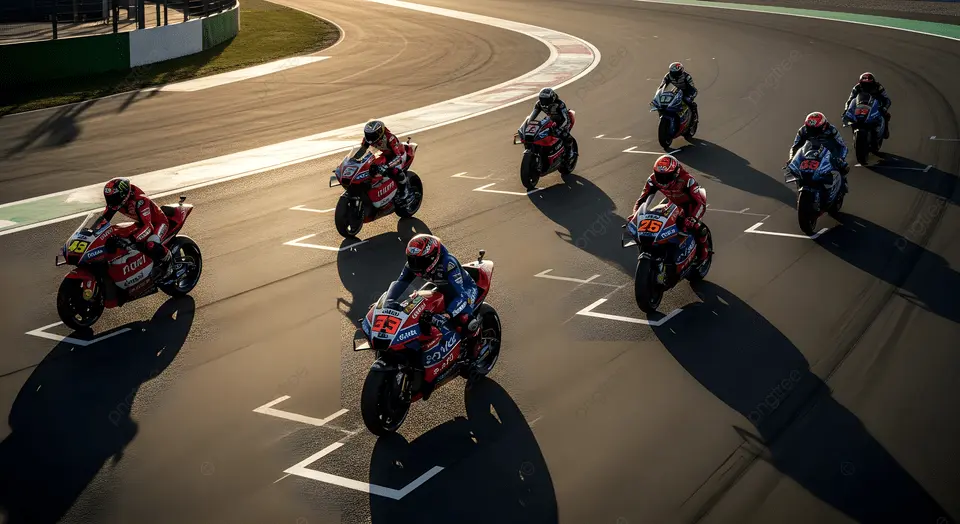
It’s a controlled riding event held on a closed circuit where riders can safely practice high-performance riding.
There are:
- No traffic lights
- No cars
- No pedestrians
- No speed limits
But there are:
- Strict safety rules
- Rider briefings
- Group sessions
- Controlled passing rules
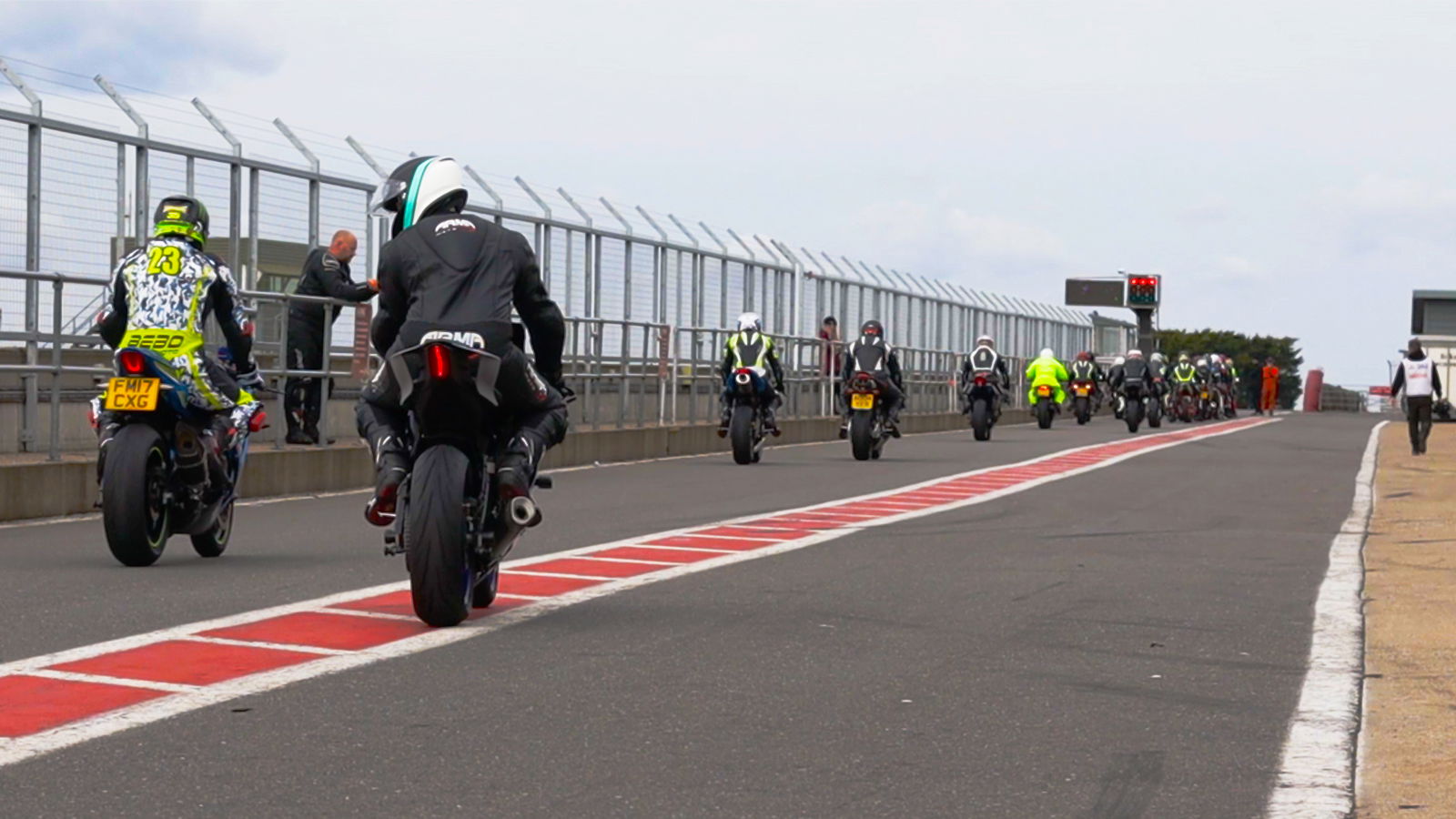
Most track days divide riders into groups:
- Beginner
- Intermediate
- Advanced
As a first-timer, you’ll usually start in the beginner group — and that’s perfectly fine.
2️⃣ The Morning: Registration & Rider Briefing
Your day typically starts early.
You’ll:
- Sign waivers
- Get your bike inspected
- Attend a mandatory safety briefing
The rider briefing is extremely important.
You’ll learn:
- Track flags and their meanings
- Passing rules
- Entry and exit procedures
- Safety expectations
Pay attention.
Understanding flags alone can prevent confusion on track.
Common flags include:
- Green (session start)
- Yellow (caution)
- Red (session stopped)
- Checkered (session finished)
This is where your confidence begins.
3️⃣ Bike Preparation Checklist

4
Before you hit the track, your bike must pass basic safety checks.
Typical requirements:
- Good tire condition
- Proper tire pressure
- No fluid leaks
- Working brakes
- Chain properly adjusted
- Mirrors removed or taped
- Headlights taped (in some events)
You don’t need a race bike.
A well-maintained street bike is perfectly fine for beginners.
Focus on safety, not modifications.
4️⃣ Gear Requirements (Safety First)
Most track events require:
- Full-face helmet (approved standard)
- Full leather suit (one-piece or zip-together two-piece)
- Riding gloves
- Over-the-ankle boots
- Back protector (often recommended or mandatory)
Track riding involves higher speeds than street riding.
Proper gear is non-negotiable.
If you don’t own race leathers yet, many tracks offer rentals.
5️⃣ Your First Session: What It Feels Like
When the first session starts, your heart will race faster than your engine.
You may feel:
- Nervous
- Overstimulated
- Hyper-aware
That’s normal.
First session goals should be simple:
- Learn the track layout
- Understand braking zones
- Identify turn-in points
- Ride smoothly
Do NOT:
- Chase faster riders
- Focus on lap times
- Push 100% effort
Your job is to learn — not impress.
6️⃣ Coaching & Control Riders
Many beginner groups include control riders (coaches).
They:
- Wear identifiable vests
- Ride at controlled pace
- Help you improve lines
- Offer feedback after sessions
If one waves you to follow — that’s a good thing.
They’re there to guide, not judge.
Use them.
Ask questions.
Track days are classrooms on wheels.
7️⃣ Between Sessions: What Happens in the Paddock

4
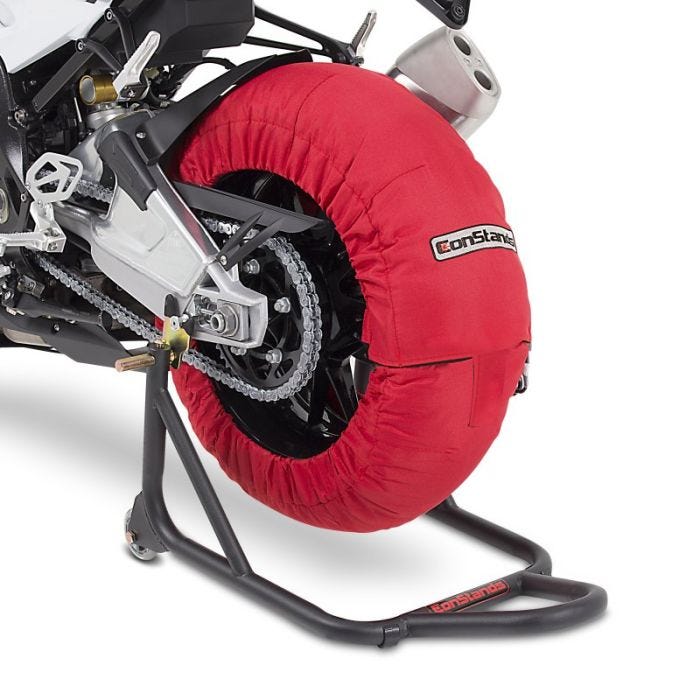
Sessions usually last 15–20 minutes.
Between sessions, you’ll:
- Return to paddock
- Hydrate
- Cool down
- Check tire pressure
- Review your ride
You’ll notice something special in the paddock atmosphere:
No egos.
No street attitude.
Just riders helping riders.
Track culture is surprisingly supportive.
8️⃣ Common Beginner Mistakes
Let’s make you aware early:
❌ Holding your breath
❌ Gripping handlebars too tight
❌ Looking too close instead of through corners
❌ Braking too early
❌ Accelerating too aggressively
Fixes:
✔ Breathe consciously
✔ Grip tank with legs
✔ Turn your head fully
✔ Be smooth, not fast
✔ Focus on corner exit
Speed comes naturally when technique improves.
9️⃣ Mental Shift: Street Riding vs Track Riding
On the street, you ride defensively.
On the track, you ride intentionally.
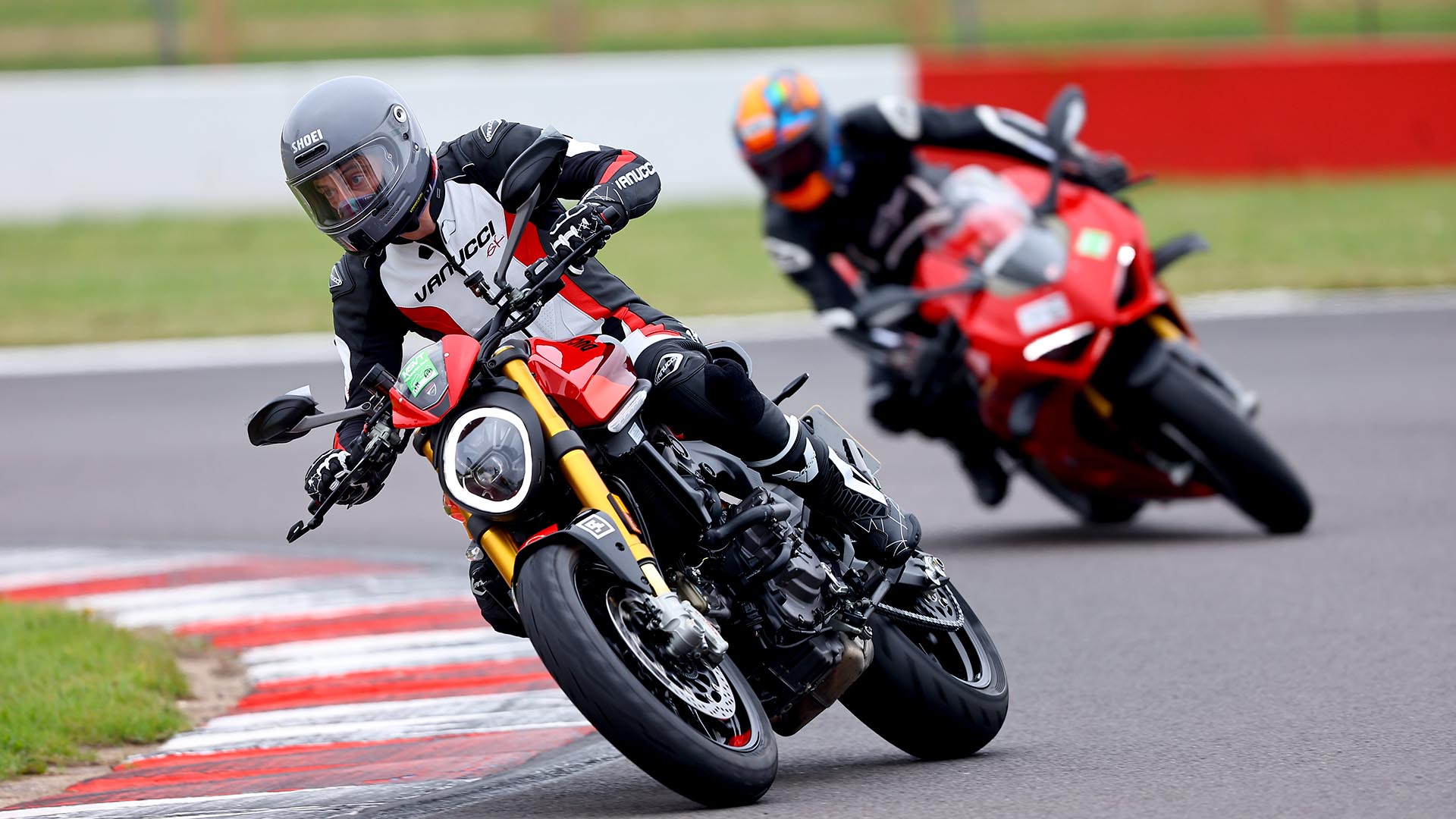
Track riding allows you to:
- Lean deeper safely
- Brake harder confidently
- Explore throttle fully
- Improve real skill
But the mindset must change.
Track riding isn’t reckless — it’s controlled aggression.
Respect the environment.
Respect other riders.
Respect your limits.
🔟 After Your First Track Day
When the day ends, you’ll feel:
- Physically tired
- Mentally stimulated
- Slightly overwhelmed
- Completely addicted
Most riders say the same thing after their first event:
“I should have done this earlier.”
You’ll likely notice:
- Improved corner confidence
- Better throttle control
- Stronger braking feel
- Increased awareness
And the biggest realization:
Track riding makes you a safer street rider.
Final Advice for First-Timers
✔ Arrive early
✔ Listen carefully
✔ Stay hydrated
✔ Ride within limits
✔ Focus on smoothness
✔ Ignore lap times
✔ Ask questions
Your first track day is not about proving anything.
It’s about beginning a new level of riding.
Every skilled rider started with one nervous first session.
And once you experience the freedom of a closed circuit, public roads will never feel the same again.