Track Day Culture in America: What Makes It So Addictive
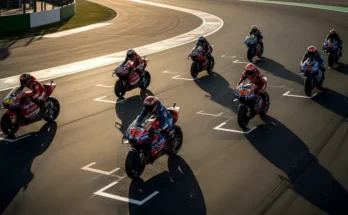
The first time I rolled my sport bike onto a racetrack, something clicked that I’d never fully felt on the street. The mirrors were taped, the tires were warm, and suddenly the rules I’d lived by on public roads didn’t apply anymore. No traffic. No stoplights. No fear of someone pulling out in front of me. Just asphalt, rhythm, and the constant pursuit of being smoother than the last lap. That moment explains a lot about track day culture in America and why so many riders get hooked after just one session.
Across the United States, motorcycle track days have quietly grown from a niche hobby into a core part of modern riding culture. Riders from every background—commuters, weekend canyon riders, seasoned racers, and total beginners—are finding their way to racetracks. And once they do, many never look at street riding the same way again.
Track Day Culture in America: What Makes It So Addictive at Its Core
At its heart, track day culture in America is addictive because it removes chaos from riding. On public roads, riders constantly manage risk that has nothing to do with skill—traffic, distracted drivers, road debris, unpredictable conditions. On the track, those distractions disappear.
What replaces them is focus. Every corner becomes a puzzle. Every braking zone becomes a lesson. Riders aren’t competing against others as much as they’re competing against their previous best selves. That mindset shift is powerful. It turns riding into a form of personal growth rather than just transportation or adrenaline chasing.
Once riders experience that clarity, it’s hard to go back.
How Track Days Fit Perfectly Into American Motorcycle Culture
The United States is uniquely suited for track day riding. The country has a deep motorsports heritage, from NASCAR and IndyCar to MotoAmerica and grassroots club racing. That legacy trickles down into how track days are organized, taught, and embraced.
Unlike some countries where racetrack access is limited, the U.S. has circuits spread across nearly every region. From California to Florida, Texas to the Midwest, riders don’t have to be professionals to get track access. That accessibility is a huge reason track day culture continues to grow.
American riders also tend to value self-improvement. Track days align perfectly with that mentality. They offer measurable progress, clear feedback, and a supportive environment where learning is encouraged rather than judged.
The Psychological Pull of Motorcycle Track Riding
One of the most overlooked aspects of track days is the mental effect. Riding on track forces you into a state of complete presence. You can’t think about work, bills, or stress when you’re focused on entry speed and exit lines.
This mental clarity is something many riders crave without realizing it. After a full track day, you’re physically tired but mentally refreshed. That combination becomes addictive. Riders often describe track riding as therapeutic, and from experience, that description isn’t exaggerated.
In a world full of constant noise, track days offer rare silence—broken only by engines and wind.
Track Day Culture in America and the Sense of Community
Another reason track day culture in America is so addictive is the people. The paddock atmosphere is unlike anything else in motorcycling. Riders help each other with tire warmers, suspension setup, and advice. Skill levels vary widely, but respect is universal.
It doesn’t matter if you’re riding a brand-new superbike or a well-used 600cc machine. On track, everyone is there for the same reason: to ride better than they did yesterday. That shared goal creates instant camaraderie.
I’ve had conversations in paddocks that taught me more about riding than years of street experience. That community aspect keeps riders coming back just as much as the riding itself.
Why Track Days Feel Safer Than Street Riding
This might sound counterintuitive to outsiders, but many experienced riders will tell you they feel safer on track than on public roads. Track days in the USA are structured environments with strict rules, clear expectations, and professional oversight.
There’s no oncoming traffic. Passing rules are enforced. Medical staff is on-site. Riders are grouped by skill level. All of this reduces unpredictability—the biggest danger in street riding.
Because of that, riders can push their limits responsibly. They learn where those limits actually are, rather than guessing on public roads. That knowledge often makes them safer street riders as well.
The Role of Supersport Bikes in Track Day Culture
Supersport bikes play a central role in American track day culture. These machines are designed for the very environment track days provide. Their geometry, suspension, braking systems, and power delivery all shine when used as intended.
That doesn’t mean you need a race bike to enjoy a track day. Riders bring everything from entry-level sport bikes to naked bikes and even some adventure models. But supersport motorcycles tend to dominate because they offer the most feedback and reward precise riding.
For many riders, track days are where they finally understand what their sport bike was built for.
Beginner Track Days: Why First-Timers Get Hooked So Fast
One of the most surprising things about track days in the USA is how beginner-friendly they are. Many organizations cater specifically to new riders, offering classroom sessions, on-track coaches, and controlled pacing.
Beginners often arrive nervous, unsure if they belong. By the end of the day, most are smiling uncontrollably. That transformation is part of the addiction. Track days reveal potential riders didn’t know they had.
The learning curve is steep but satisfying. Progress is visible from session to session, which is rare in most hobbies. That immediate feedback loop keeps beginners coming back.
Track Day Culture in America vs Street Riding Ego
Street riding often comes with unspoken competition—who’s faster, who has the louder bike, who takes more risks. Track day culture strips that away. Speed matters, but ego doesn’t.
On track, smoothness beats recklessness every time. Riders quickly learn that technique outperforms bravery. That realization humbles even experienced street riders, and that humility becomes addictive in its own way.
Instead of showing off, riders focus inward. That mindset shift is one of the most powerful aspects of track culture.
How Track Days Improve Street Riding Skills
One of the most valuable outcomes of track riding is how it carries over to the street. Riders who regularly attend track days develop better throttle control, braking technique, and situational awareness.
They learn how bikes behave at the limit in a controlled environment, which reduces panic responses on public roads. Corners feel less intimidating. Emergency braking feels more natural. Overall confidence improves.
This skill transfer is one reason instructors often encourage street riders to attend at least one track day, even if they never plan to race.
The Cost Factor: Why Riders Still Choose Track Days
Track days aren’t cheap. Entry fees, tires, fuel, and maintenance add up quickly. Yet riders continue to invest in them. That alone says something about their value.
When you break it down, track days offer something few other hobbies do: skill development, physical engagement, mental clarity, and community—all in one place. For many American riders, that combination justifies the cost.
Over time, many riders adjust their spending priorities, choosing fewer street mods and more track time because the return on investment feels greater.
The Evolution of Track Day Culture in the USA
Track day culture in America has evolved significantly over the last decade. It’s no longer just for racers or elite riders. Modern track days are inclusive, educational, and focused on safety.
Social media and online communities have also played a role, making track riding more visible and less intimidating. Riders can see real people—not professionals—enjoying the track, which lowers the barrier to entry.
As a result, track days are no longer seen as extreme. They’re seen as the natural extension of sport bike ownership.
Why Track Day Culture in America Is Here to Stay
Looking ahead, there’s little reason to believe track day culture will slow down. If anything, it’s likely to grow. As traffic congestion increases and street riding becomes more stressful, riders will continue seeking controlled environments to enjoy their bikes fully.
Manufacturers are also designing motorcycles with track capability in mind, knowing that many buyers plan to attend track days. Riding schools, coaching programs, and amateur racing leagues are expanding as well.
All signs point to track days becoming even more central to American motorcycle culture.
Conclusion: The Addiction That Makes You a Better Rider
So, what makes track day culture in America so addictive? It’s the focus, the freedom, the community, and the constant opportunity to improve. It’s the feeling of riding without distractions and learning what you’re truly capable of.
Track days don’t just make riders faster—they make them better. Better technically, mentally, and emotionally. Once riders experience that transformation, it’s hard to let go.
For many of us, track days aren’t an escape from real riding. They are the purest form of it.