Why Cruisers Are the Soul of US Motorcycle Culture
The sound of a deep V-twin engine echoing across an open highway, the feel of wind rushing past, and the unmistakable silhouette of a low-slung cruiser defines not just a ride, but a way of life. For decades, cruisers have been more than machines—they are symbols of freedom, individuality, and American heritage. Understanding why cruisers are the soul of US motorcycle culture requires exploring their history, the lifestyle they represent, and the emotional connection riders form with these iconic machines.
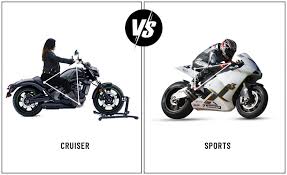
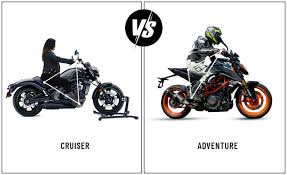
In my years of riding across the United States, from the Pacific Coast Highway to the Blue Ridge Mountains, I’ve witnessed firsthand how cruisers captivate the hearts of riders. Unlike sport bikes designed for speed or dirt bikes built for adventure, cruisers offer a distinctive combination of style, comfort, and identity. They are deliberate, powerful, and unmistakably American, serving as rolling extensions of their owners’ personalities.
The Origins of the American Cruiser
The story of American cruisers begins in the early 20th century with Harley-Davidson and Indian Motorcycles, two brands that have become synonymous with the nation’s motorcycling heritage. After World War II, returning soldiers who were mechanically inclined sought motorcycles that reflected freedom, rebellion, and personal expression. Cruiser motorcycles, with their relaxed riding positions, broad handlebars, and low seat heights, were the perfect answer.
These bikes were not built for racing; they were built for cruising—long stretches of highway where the journey mattered more than the destination. Riders modified them, stripped down unnecessary parts, added chrome, and personalized paintwork. This culture of customization laid the foundation for modern American cruiser culture, creating machines that are as unique as the riders who own them.
The Harley-Davidson Legacy
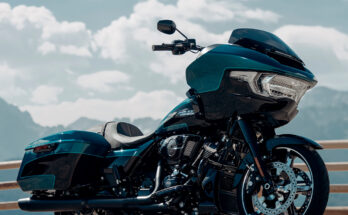
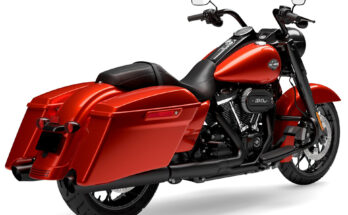
No discussion about American cruiser motorcycles is complete without Harley-Davidson. From Softails to Street Glides, Harley-Davidson has defined what a cruiser should look and feel like. The brand embodies heritage, craftsmanship, and a distinct sound that’s instantly recognizable.
In my experience riding across the Midwest, I’ve noticed that Harley-Davidson isn’t just a bike—it’s a community. Owners often participate in group rides, rallies, and charity events, reinforcing the social aspect of cruiser culture. The appeal lies not only in the machine’s performance but also in the shared experiences and traditions that come with it. Harley-Davidson cruisers are iconic because they embody both individuality and belonging, a duality that makes them central to the soul of US motorcycle culture.
Indian Motorcycles: Tradition Meets Modern Cruising
While Harley-Davidson dominates popular imagination, Indian Motorcycles has quietly maintained a crucial role in shaping American cruiser culture. The Indian Scout and Chieftain are prime examples of how tradition and modern engineering can coexist. These bikes feature classic V-twin engines, elegant lines, and comfortable ergonomics, while integrating modern technology for performance and reliability.
During rides along the East Coast, I’ve observed Indian cruiser owners passionately discuss the history of their machines, the craftsmanship of each model, and the joy of long-distance rides. Indian motorcycles, much like Harley-Davidson, create a sense of identity that transcends functionality, embodying the values of American motorcycling heritage.
Cruiser Design: More Than Just Looks
What truly sets cruisers apart is their design philosophy. These bikes prioritize comfort, stability, and style over raw speed. Low seat heights make them accessible, while forward-set footpegs and wide handlebars provide a relaxed riding posture ideal for long rides. Unlike sport bikes that demand precision, cruisers encourage a rhythm with the road, creating a meditative experience that allows riders to savor each mile.
In my personal experience, even short rides on a cruiser feel cinematic. Every detail—from the rumble of the exhaust to the balance of the suspension—contributes to a sense of connection between rider and machine. This design philosophy has helped cruisers remain the preferred choice for riders who value experience over adrenaline, and it’s a key reason why cruisers are the soul of US motorcycle culture.
The Lifestyle of Cruisers in the US
Owning a cruiser is about more than commuting or weekend rides; it’s a lifestyle. The cruiser culture emphasizes camaraderie, road trips, and personal expression. Group rides, local meetups, and national rallies are central to this lifestyle, fostering connections among riders of all ages and backgrounds.
From attending Sturgis Motorcycle Rally to smaller local events, I’ve seen riders bond over their machines, exchange maintenance tips, and share stories of epic rides. The cruiser lifestyle in the US is unique because it blends independence with community. Riders are free to explore the open road, yet they remain connected to a larger culture that values heritage, craftsmanship, and mutual respect.
Customization: Personal Expression on Two Wheels
A defining feature of American cruiser culture is customization. From personalized paint jobs and chrome upgrades to performance modifications and unique accessories, customization allows riders to express individuality. I’ve visited numerous custom shops across the country, where mechanics and artists collaborate to turn standard cruisers into personalized works of art.
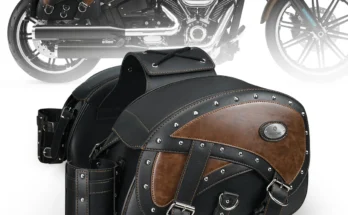
Customization is not purely aesthetic. Adjustments to suspension, exhaust, and engine tuning improve performance and comfort for long rides. For many Americans, the act of customizing a cruiser is a ritual—a way to leave a personal mark on a machine that represents freedom and identity. Whether it’s a classic Harley bobber or a modern Indian Scout with bespoke leather accents, customization is a cornerstone of why cruisers remain culturally significant.
Long-Distance Cruising: Freedom on the Open Road
One of the most celebrated aspects of cruiser motorcycles is their suitability for long-distance rides. Unlike sport bikes that favor speed or dirt bikes built for off-road agility, cruisers excel at sustained comfort on highways. I’ve personally ridden from California to Arizona on a Softail, and the combination of ergonomic design, smooth suspension, and ample torque makes long stretches of highway not just manageable, but exhilarating.
Long-distance cruising allows riders to connect with the landscape, experience small towns, and forge personal journeys. It’s this sense of freedom, amplified by the cruiser’s unique design and culture, that cements its role as the soul of US motorcycling. The open road becomes more than a route—it becomes a narrative of independence and adventure.
The Emotional Connection Between Rider and Machine
Cruiser motorcycles evoke an emotional attachment that goes beyond utility. Riders develop a relationship with their bikes, understanding the nuances of throttle response, suspension feel, and braking performance. This connection is often reinforced through routine maintenance, long rides, and participation in events that celebrate motorcycling culture.
During long rides with friends across the southern states, I’ve seen riders treat their cruisers almost as extensions of themselves, investing time and care into every detail. This intimacy fosters loyalty and a lifelong connection, distinguishing cruisers from other motorcycle types. It’s not just a bike; it’s a companion, a statement, and a vehicle for personal expression—an embodiment of the American ideal of freedom.
Safety and Accessibility in Cruiser Culture
While cruisers are celebrated for style and comfort, their design also prioritizes safety and accessibility. Low center of gravity, predictable handling, and forgiving power delivery make cruisers approachable for riders of varying skill levels. This accessibility encourages a broader demographic to participate in the culture, from young adults to older enthusiasts seeking comfort and reliability.
Safety courses and community mentorship also play a role. Many cruiser enthusiasts actively mentor new riders, emphasizing responsible riding and long-term bike care. The combination of design, community, and education ensures that cruiser culture remains sustainable and inclusive, strengthening its position as the soul of US motorcycling.
Community Events and Cultural Significance
From national rallies like Sturgis and Daytona Bike Week to regional meetups, the social aspect of cruiser culture cannot be overstated. These events celebrate craftsmanship, individuality, and shared experiences. They also provide platforms for riders to showcase custom builds, exchange knowledge, and honor the history of American motorcycling.
I’ve attended rallies in the Midwest and the East Coast, witnessing firsthand how cruisers bring people together. Whether it’s a weekend ride through the mountains or a charity event in a small town, these gatherings reinforce the values of camaraderie, freedom, and self-expression—core tenets of why cruisers are central to American biker identity.
Why Cruisers Remain Relevant in the Modern Era
Despite advances in technology and the rise of sport bikes and electric motorcycles, cruisers remain relevant because they embody timeless values: freedom, individuality, and craftsmanship. Modern cruisers integrate contemporary engineering, such as fuel injection, ABS brakes, and improved suspension, while preserving the classic aesthetics and riding experience that define the category.
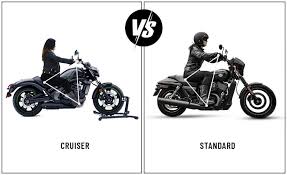
Younger riders are increasingly drawn to cruisers because they offer both heritage and versatility. A cruiser can be a daily commuter, a weekend tourer, or a canvas for artistic expression. This adaptability ensures that cruiser culture will continue to thrive, maintaining its central role in American motorcycling.
Conclusion: The Heartbeat of American Motorcycling
In conclusion, cruisers are the soul of US motorcycle culture because they embody the perfect blend of tradition, individuality, and freedom. From Harley-Davidson and Indian motorcycles to custom choppers and modern Softails, these machines represent more than transportation—they are symbols of identity, community, and adventure.
Through design, customization, long-distance cruising, and cultural engagement, cruisers connect riders to the open road, to one another, and to the heritage of American motorcycling. They offer a lifestyle where freedom and self-expression intersect with craftsmanship and performance, ensuring that their relevance will endure for generations. For anyone seeking to understand the essence of US motorcycling, embracing cruiser culture is not optional—it is essential.