There’s something different about the way a Harley-Davidson rider talks about their bike. They don’t just say, “I own a motorcycle.” They say, “I ride a Harley.” And the tone carries pride, identity, and emotion. For many outsiders, that might sound dramatic. After all, it’s just a machine with two wheels and an engine—right?
Not quite.
For riders of Harley-Davidson, it’s never been just about transportation. It’s about belonging, self-expression, freedom, and a culture that runs deeper than chrome and steel. That’s why Harley riders call it a lifestyle—not just a motorcycle.
Let’s break down what that really means.
The Sound That Speaks Before You Do


4
Before you even see a Harley, you hear it.
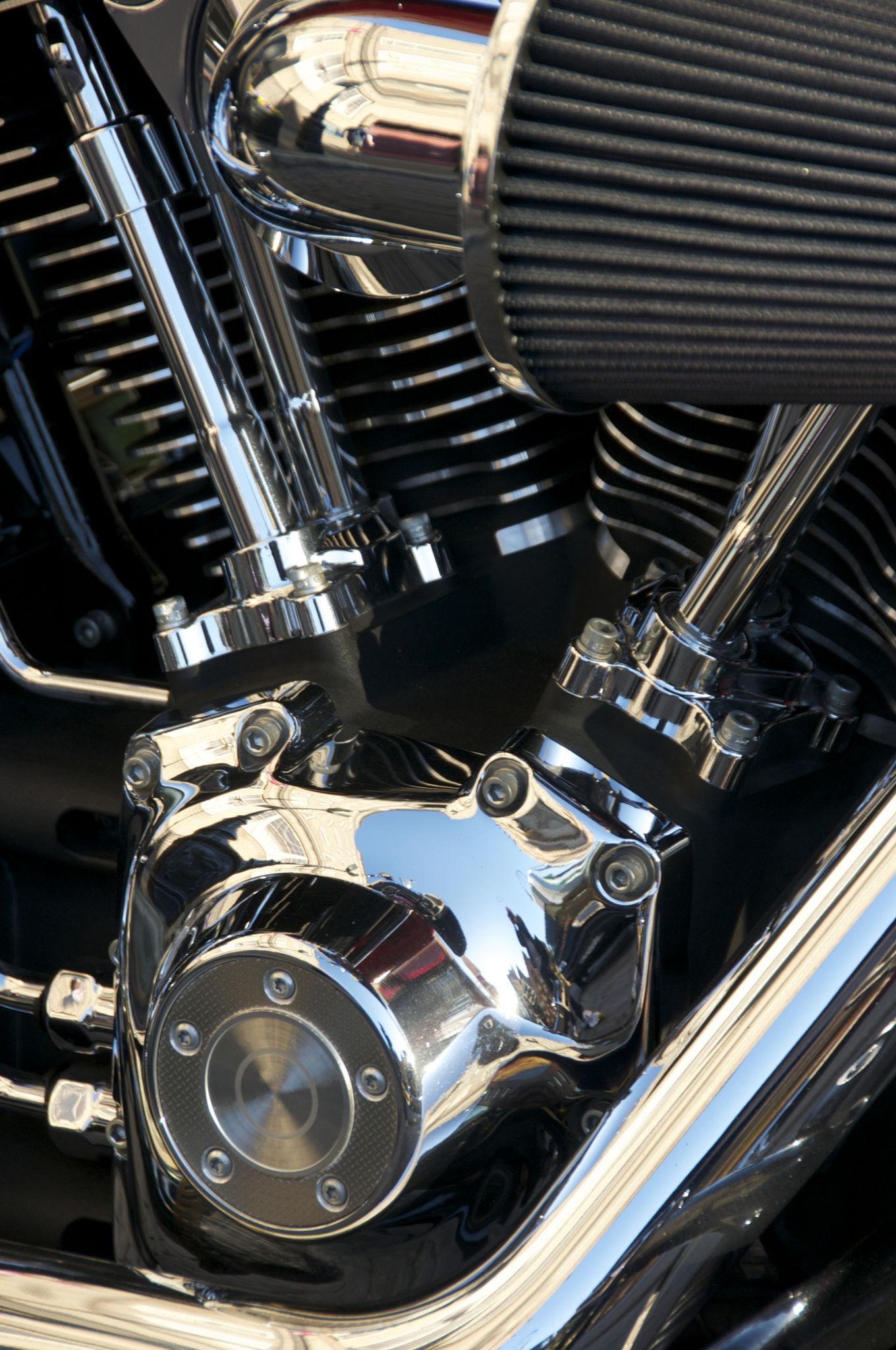
That deep, throaty rumble of the V-twin engine is unmistakable. It’s not just noise—it’s personality. Many Harley riders say the sound feels alive, like the bike has a heartbeat of its own. It turns heads at traffic lights. It echoes through highways. It announces your presence without apology.
For riders, that sound becomes addictive. It represents power, individuality, and tradition. You’re not blending in with silent traffic—you’re making a statement.
More Than a Brand — It’s Brotherhood
One of the strongest reasons Harley riding becomes a lifestyle is the community.
When two Harley riders pass each other, there’s often a subtle nod or wave. It’s a silent recognition—“You’re one of us.” That connection extends beyond the road. Local riding clubs, weekend meetups, cross-country group tours—these aren’t rare events; they’re part of the culture.
The sense of brotherhood is real. Many riders form lifelong friendships through their bikes. It’s not unusual for Harley owners to travel across states together, camp together, celebrate milestones together, and support each other in tough times.
For many, the motorcycle becomes the doorway to a new social world.
A Symbol of Freedom
4
Ask a Harley rider what the bike means to them, and you’ll hear one word again and again: freedom.
Freedom from routine.
Freedom from stress.
Freedom from expectations.
When you’re on a cruiser, stretched out on a long highway with nothing but sky ahead, something shifts inside you. There’s no office noise. No emails. No deadlines. Just wind, road, and rhythm.
That experience changes how people live. Some riders plan their vacations around road trips. Others relocate to places with better riding weather. Many structure their weekends around long rides. The motorcycle stops being a hobby—it shapes their lifestyle choices.
Customization as Self-Expression
Harley culture is deeply rooted in customization.
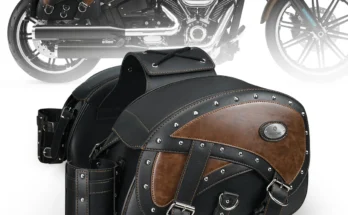
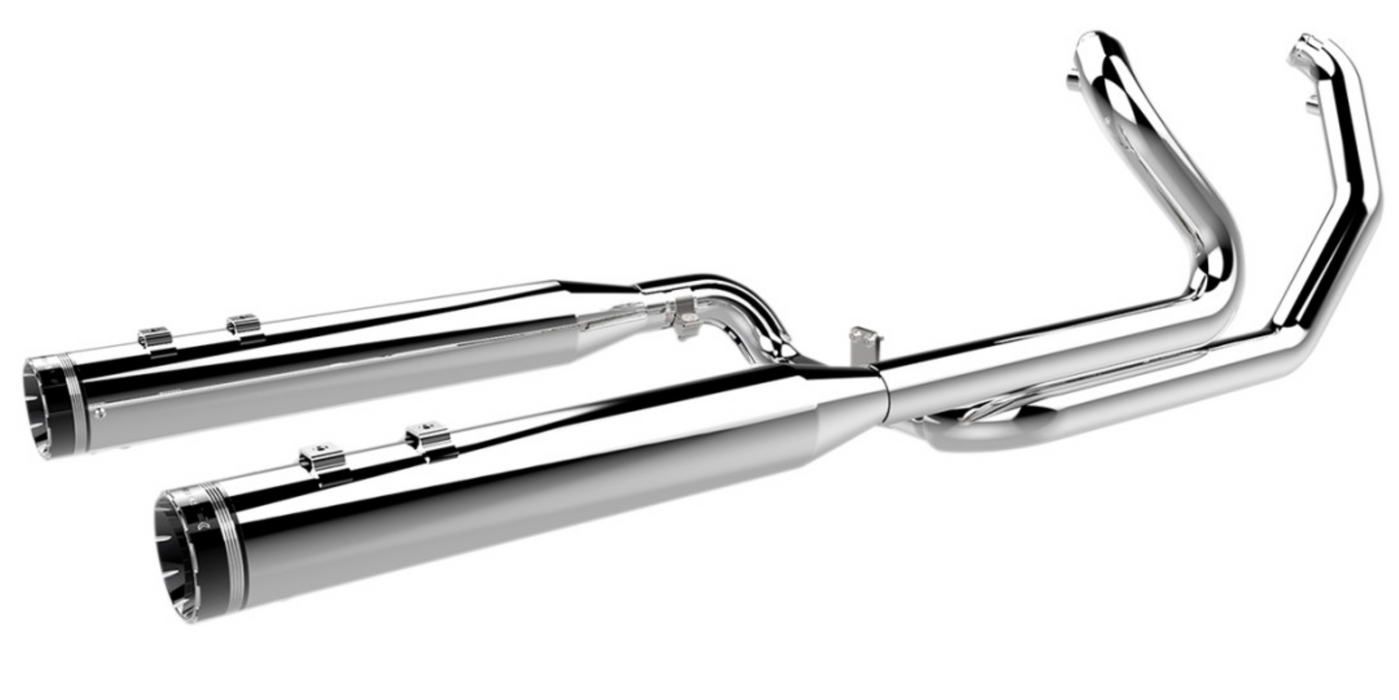
Unlike many motorcycles that stay stock, Harleys are often modified. New exhaust systems, ape-hanger handlebars, custom paint jobs, leather saddlebags, upgraded seats—the list goes on.
Each bike becomes a reflection of its rider’s personality.
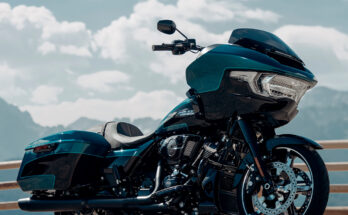
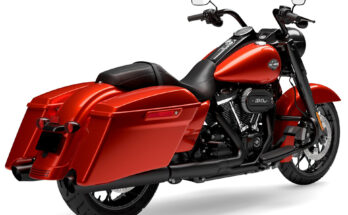
Some prefer the classic old-school chopper look. Others go for a dark, aggressive “blacked-out” style. Some build full touring machines ready for cross-country trips.
It’s not just about performance. It’s about identity.
When a rider parks their Harley, they’re not just parking a vehicle. They’re displaying a part of who they are.
The Heritage Factor
Harley-Davidson was founded in 1903. That kind of history matters.
Through wars, economic crashes, cultural shifts, and changing trends, Harley survived. It became woven into American culture. From World War soldiers to 1960s rebels, from small-town mechanics to Hollywood icons, Harley motorcycles have carried stories across generations.
Owning one feels like owning a piece of history.
Riders often talk about legacy—passing their Harley down to their children, restoring vintage models, or preserving old-school traditions. That connection to the past strengthens the emotional bond.
The Look and the Attitude
Let’s be honest—Harley riders are known for a certain style.
Leather jackets. Riding boots. Denim. Patches. Sunglasses. Sometimes tattoos. It’s not mandatory, but it’s common. The fashion itself becomes part of the identity.
But it’s not about pretending to be tough. It’s about confidence.
There’s a quiet independence in the way Harley riders carry themselves. It says, “I ride because I want to, not because I have to.” That mindset often spills into other areas of life—career choices, travel decisions, even personal relationships.
The bike influences the attitude.
Rituals and Events

4
Large gatherings like the Sturgis Motorcycle Rally and Daytona Bike Week are more than events—they’re traditions.
Thousands of riders travel long distances just to be there. It’s about music, stories, shared rides, and celebrating a common passion. For many, attending at least one major rally is a bucket-list goal.
These events strengthen the idea that riding isn’t seasonal entertainment—it’s part of life’s rhythm.
Emotional Therapy on Two Wheels
Here’s something many riders won’t openly admit at first: riding can be therapeutic.
After a stressful week, a long solo ride can clear the mind better than any motivational speech. The focus required to ride safely pulls attention away from worries. The physical sensation of wind and movement creates presence.
It’s meditation in motion.
That emotional release keeps riders coming back. Over time, the motorcycle becomes their reset button.
It Changes How You See the World
Harley riders often say they notice things others miss.
The smell of fresh rain on pavement. The temperature drop as you enter a forest road. The subtle shift in engine vibration at different speeds. Riding heightens awareness.
Road trips become more meaningful. Destinations matter less than the journey itself. Gas station stops turn into conversations with strangers curious about the bike.
The world feels more connected when you experience it without glass windows separating you from it.
Not Just Ownership — Commitment
Owning a Harley isn’t always cheap. Maintenance, customization, insurance, riding gear—it adds up. Yet riders willingly invest time and money into their bikes.
Why?
Because it’s not seen as an expense. It’s seen as commitment.
You don’t just ride occasionally. You care for the bike. You clean it. Upgrade it. Protect it. You plan rides months in advance. The motorcycle becomes part of your schedule, your finances, and your identity.
That level of involvement goes far beyond simple ownership.
So, Is It Really a Lifestyle?
For someone who views motorcycles as basic transport, the idea might seem exaggerated.
But for Harley riders, the bike influences:
- How they spend weekends
- Who their friends are
- Where they travel
- How they dress
- How they relax
- Even how they see themselves
When something shapes that many parts of your life, it stops being a product and becomes a lifestyle.
Final Thoughts
At its core, a Harley is metal, rubber, and fuel. But once a rider throws a leg over the seat and hits the open road, it becomes something more.
It becomes freedom.
It becomes community.
It becomes identity.
That’s why Harley riders don’t say, “I just own a motorcycle.”
They say, “I live the Harley life.”