Why Supersport Bikes Still Rule US Highways
For more than two decades of riding across American highways—from endless Midwest interstates to winding California mountain roads—I’ve watched motorcycle trends rise, fade, and sometimes disappear entirely. Adventure bikes exploded in popularity. Cruisers evolved into lifestyle machines. Electric motorcycles started challenging old assumptions. Yet through all of this change, one category has stubbornly refused to lose its crown. Supersport bikes still dominate U.S. highways, parking lots, track days, and rider dreams in 2026.
This isn’t nostalgia talking. It’s something deeper. Supersport motorcycles continue to thrive in the United States because they sit at the perfect intersection of speed, engineering, emotion, and culture. They’re not just machines; they’re statements of intent. To understand why supersport bikes still rule US highways, you have to look beyond spec sheets and into how Americans actually ride, think, and connect with motorcycles.
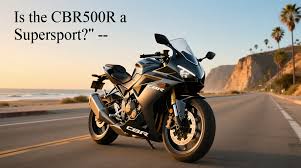
Why Supersport Bikes Still Rule US Highways in 2026
The American highway system is unlike anywhere else in the world. Long stretches of open road, wide lanes, relatively high speed limits, and a riding culture built around freedom all favor motorcycles that can deliver both performance and excitement. Supersport bikes fit this environment almost perfectly.
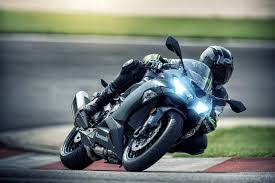
In 2026, modern supersport motorcycles are faster, safer, and more refined than ever. Advanced electronics like traction control, cornering ABS, and ride-by-wire throttle systems have made these bikes far more accessible to everyday riders than their aggressive looks might suggest. At the same time, they’ve retained the raw acceleration and razor-sharp handling that originally made them famous.
Riders don’t just choose supersports because they’re fast. They choose them because they make every ride feel intentional. Even a short commute feels alive when you’re riding a machine designed to respond instantly to your inputs.
The Emotional Pull of Supersport Motorcycles in America
Ask any long-time rider why they first fell in love with motorcycles, and chances are their story involves a sport bike. For many Americans, supersport bikes represent the purest form of motorcycling. The low clip-ons, aggressive riding position, and high-revving engines create an experience that feels deeply connected and immersive.
I still remember riding my first 600cc supersport on an empty stretch of highway early one morning. The road was quiet, the engine note echoed off the concrete barriers, and for a few moments everything felt perfectly aligned. That feeling—the sense that rider and machine are operating as one—is something supersport bikes deliver better than almost anything else.
This emotional connection is a huge reason supersport bikes remain dominant in the USA, even as other segments grow.
Supersport Bikes and American Highway Performance
One reason supersport motorcycles thrive on U.S. highways is how well they balance top-end speed with usable power. Unlike small displacement bikes that struggle at highway speeds or heavy touring motorcycles that prioritize comfort over agility, supersports feel perfectly at home cruising at 70–85 mph while still having instant acceleration on tap.
Modern sport bikes are engineered for stability at speed. Aerodynamics play a major role here. Fairings aren’t just about looks; they reduce wind fatigue and improve high-speed control, which matters when covering long distances across states like Texas, Arizona, or Nevada.
The ability to overtake traffic effortlessly, merge confidently, and maintain composure at higher speeds is something American riders value deeply—and supersport bikes deliver that better than most categories.
Why 600cc and Liter Bikes Still Dominate US Roads
The 600cc and 1000cc supersport classes continue to be the backbone of sport bike culture in America. Despite rising insurance costs and stricter emissions regulations, these bikes remain incredibly popular.
600cc supersport bikes offer a near-perfect balance for U.S. riders. They’re light, agile, and fast enough to feel thrilling without being overwhelming. On highways, they maintain speed comfortably while still excelling on twisty backroads and track days.
Liter bikes, on the other hand, appeal to riders who want effortless power. In real-world American riding conditions, that extra torque means less shifting, smoother highway cruising, and instant acceleration whenever needed. For many experienced riders, liter-class supersport motorcycles feel more relaxed at speed than smaller bikes because they’re not constantly working near their limits.
Technology Has Kept Supersport Bikes Relevant
One of the strongest reasons supersport bikes still rule US highways is how well they’ve adapted to modern expectations. The old stereotype of sport bikes being uncomfortable, dangerous, or impractical no longer holds up the way it once did.
In 2026, even aggressive supersport motorcycles come equipped with multiple ride modes, adjustable suspension, wheelie control, launch control, and advanced braking systems. These technologies don’t take away from the riding experience—they enhance it.
From my own experience, modern rider aids actually make supersport bikes more enjoyable on highways. You can ride longer, with more confidence, and adapt the bike’s behavior depending on road conditions or fatigue level. This evolution has allowed sport bikes to stay competitive against more comfort-focused categories.
Supersport Bikes and the American Track Day Culture
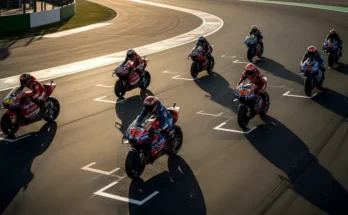
Track days are a massive part of motorcycle culture in the United States, and supersport bikes remain the weapon of choice for most riders who participate. Even riders who spend 90% of their time on public roads often choose a supersport because it gives them the option to explore track riding without needing a second bike.
This dual-purpose nature adds enormous value. A bike that can commute during the week, carve canyons on weekends, and hit the racetrack a few times a year fits perfectly into the American lifestyle. Supersport motorcycles excel in this role.
The skills developed on track—smooth throttle control, precise braking, and body positioning—also translate into safer, more confident highway riding. That crossover appeal keeps supersport bikes firmly planted in U.S. motorcycling culture.
Design, Identity, and Supersport Culture in the USA
There’s no denying the visual impact of supersport bikes. Their sharp lines, race-inspired liveries, and aggressive stance communicate speed even when parked. In American motorcycle culture, image matters—not in a shallow way, but as a form of self-expression.
Supersport bikes represent ambition, youthfulness, and a willingness to embrace challenge. For many riders, especially younger Americans, a sport bike is a symbol of independence and capability. It’s not about showing off; it’s about riding something that reflects how you feel inside.
Even as riders age, many stick with supersports because that identity never really fades. The bike evolves, the rider matures, but the core appeal remains.
Fuel Economy, Reliability, and Real-World Practicality
Another often overlooked reason supersport bikes still rule US highways is their practicality. Modern sport bikes are surprisingly fuel-efficient when ridden responsibly. Many deliver mileage comparable to or better than larger cruisers and adventure bikes.
Reliability has also improved dramatically. Japanese manufacturers in particular have built a reputation for producing supersport motorcycles that can handle high mileage with minimal issues if properly maintained. That matters in a country where riders often cover long distances between cities.
While supersport bikes aren’t ideal for carrying luggage or passengers, many American riders don’t need those features daily. For solo highway riding, commuting, and weekend trips, supersports remain more practical than critics often admit.
Why Supersport Bikes Continue to Outsell Expectations
Despite constant predictions that sport bikes are “dying,” sales numbers and rider communities tell a different story. Supersport motorcycles may not dominate raw sales charts the way cruisers once did, but their cultural influence far outweighs their numbers.
In online forums, social media, YouTube channels, and motorcycle events across the U.S., supersport bikes receive disproportionate attention. They generate discussion, inspire upgrades, and attract new riders to the sport.
Manufacturers understand this. That’s why they continue investing heavily in performance motorcycles, even as they expand into other segments. Supersport bikes remain brand flagships—the machines that define engineering capability and innovation.
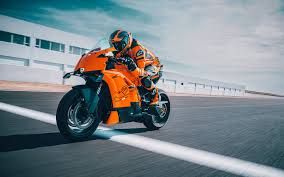
The Future of Supersport Bikes on US Highways
Looking ahead, supersport motorcycles are unlikely to disappear. Instead, they’ll continue evolving. Emissions-compliant engines, hybrid technology, and even electric sport bikes will shape the next generation, but the core concept will remain intact.
As long as American highways exist—wide, fast, and open—there will be riders who want motorcycles designed to fully exploit them. Supersport bikes offer that connection between rider, machine, and road better than almost any other category.
From decades of personal riding experience, one thing is clear: trends may shift, but passion doesn’t vanish. Supersport bikes endure because they deliver something timeless.
Conclusion: Why Supersport Bikes Still Rule US Highways
In 2026, supersport bikes still rule US highways not because of marketing hype or nostalgia, but because they continue to meet the real needs and desires of American riders. They combine speed, control, emotion, and identity in a way few motorcycles can replicate.
They’re fast without being fragile, aggressive without being unusable, and modern without losing soul. Whether you’re a new rider chasing your first dream bike or a seasoned motorcyclist who knows exactly what you want, supersport motorcycles remain a compelling choice.
As long as riders crave that feeling—the moment when the engine sings, the road opens up, and everything else fades away—supersport bikes will always have a place on American highways.